- Home
- Gluten Free Cooking
- Meat Cooking
- Tender Crock Pot Roast
How to Make a Tender Roast in the Crock Pot
Learning how to make a roast in the crock pot is a cooking skill that got me through many busy weeknights with crazy work schedules and kids' activities. It was a go-to meal long before I had to go gluten-free, and I was relieved to discover that, with a few small tweaks, my crock pot roast could remain part of my gluten-free menu.


Although I’m going to give you a simple recipe to follow, this is more about learning a technique than following a recipe. And once you understand the basics, you can use the same method for beef roasts, pork shoulder, brisket and any other tougher cuts of meat.
You don’t need fancy ingredients, complicated seasoning blends, or years of cooking experience. A few simple, naturally gluten-free ingredients and enough time will do most of the work for you.
 |
Want simple guidance, trusted resources, and doable recipes delivered to your inbox once a week? |
|
On This Page:
The Secret to a Tender Crock Pot Roast
Why Make a Roast in the Crock Pot
Choosing a Roast for the Crock Pot
Ingredients for a Crock Pot Roast
Step-by-Step: How to Make a Roast in the Crock Pot
How to Tell When a Crock pot Roast Is Done
Do You Need to Sear a Roast First?
How to Fix Common Crock Pot Roast Problems
How to Make Gravy from the Cooking Liquid
The Secret to a Tender Crock Pot Roast
Time. That’s the secret. Time and choosing a tougher cut of meat then seasoning it and letting it simmer until it’s fork tender.
The internet will give you all kinds of rules about what precise cut of meat you need and how to season it perfectly. By all means experiment, but cooking a tender crock pot roast is more about the method. Once you learn that, you’ll be able to make a hearty delicious meal any night of the week without even pulling up the recipe.
How to Make a Roast in the Crock Pot:
- Choose a cut of meat that benefits from slow cooking. Tougher cuts like beef chuck, sirloin tip, pork shoulder or brisket all work well.
- Season the roast generously with salt and pepper.
- Add liquid and cook until it is fork tender.
- Tenderness is the key to doneness, not temperature or time.
Why Make a Roast in the Crock Pot
A crock pot, or slow cooker, is an essential tool for busy lifestyles, and when you’re gluten-free, it’s even more important to be able to get a simple, nutritious, homemade meal on the table with a minimum of effort. Some of the benefits are:
- The ingredients are simple, naturally gluten-free, and probably already in your pantry.
- You can make it ahead the night before and turn it on before you leave for work in the morning. The crock pot does the work.
- The best cuts of meat for the crock pot tend to be the less expensive ones.
- You can add vegetables for a simple one-pot meal.
- You can make gravy from the cooking liquid or reserve it for soup.
- There are several ways to use the leftovers that are just as delicious as the original meal.
If you’re looking to build confidence cooking meat from scratch, you’ll find more techniques and recipes in my Gluten-Free Meat Cooking Guide.
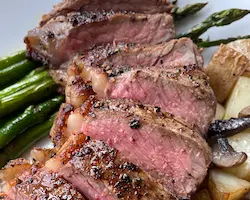
Choosing a Roast for the Crock Pot

We’ve talked about choosing “tougher cuts” but we didn’t talk about why.
Tougher (and coincidentally cheaper) cuts of meat come from the harder working muscles in the animal, like legs and shoulders.
These cuts contain collagen and other connective tissues that, when broken down by low heat and time, release flavor and texture that you don’t get from the more tender cuts.
A more expensive, tender cut would be a waste of money and could become dry and tough with the long cooking time.
What Kind of Roast Works Best?
When you’re standing in front of the meat counter looking at all the choices, it might be a bit overwhelming. But you don’t need to overthink this. Crock pots are surprisingly forgiving.
Roasts that contain some connective tissue and benefit from long, slow cooking will have names like:
- Chuck roast
- Sirloin tip roast
- Eye of round
- Brisket
- Pork shoulder (or picnic shoulder)
- Pork butt
You don’t need the “perfect” roast to make a good crock pot meal. If one of these cuts is on sale, buy it. Learn the technique, then adapt it to what’s available and what fits your budget.
Guidelines not Rules
The internet will tell you that you “need” to get “this particular cut” or your meal is ruined. It’s not really that crucial, however, if you have a particular dish in mind and choices in front of you, consider these suggestions:
|
Dish |
Good Choice |
Why |
|
Fall apart shredded beef |
Chuck |
It cooks up soft and falls apart easily. |
|
Lean sliced beef |
Sirloin tip or eye of round |
These are tighter and hold together nicely for slicing. |
|
Rich beefy flavor to shred or slice |
Brisket |
Lots of connective tissue that melts into a silky smooth texture. |
|
Pulled pork |
Pork shoulder or pork butt |
Both will cook up tender and pair beautifully with barbecue sauce. |
Fall-apart shredded beef
Good choice: Chuck roast
Why: It cooks up soft and falls apart easily.
Lean sliced beef
Good choice: Sirloin tip or eye of round
Why: These cuts hold together nicely and slice well after slow cooking.
Rich beefy flavor (shred or slice)
Good choice: Brisket
Why: Lots of connective tissue breaks down during cooking, creating a rich, silky texture.
Pulled pork
Good choice: Pork shoulder or pork butt
Why: Both become tender during slow cooking and pair beautifully with barbecue sauce.
These are guidelines, not hard-and-fast rules. Part of becoming a confident cook is learning how to adapt. Once you understand the basic technique, most tougher cuts will work just fine in a slow cooker.
How Much Meat Do You Need?
That depends on how many people you’re feeding and if you want leftovers. The rule of thumb is:
- ½ pound per person
- more if you want leftovers
Fresh or Frozen?
Either is fine. With a frozen roast, thaw it completely in the refrigerator, never on the counter. If you need to speed things up a bit, place it in cold water in the fridge.
Tools You Need
- A crock pot (aka slow cooker) – A standard 4-quart size will work best. A smaller one may work for a small roast with little room for vegetables. The larger 5-to-6-quart size is good if you’re cooking for a crowd. I recommend getting one with a timer that will automatically switch to “keep warm” when the time is up.
- A skillet if you’re going to brown (or sear) your roast first – more on this later.
If you’d like to learn another budget-friendly meat-cooking technique, see my guide on how to roast a chicken.

Ingredients for a Crock Pot Roast

Basic Ingredients
- roast
- onion
- salt & pepper
- broth (beef broth for roast beef, chicken or beef broth for roast pork)
- optional flavor enhancers (see below)
- optional vegetables – to make a one pot meal.
Optional Flavor Enhancers
If you want the absolute simplest crock pot roast, season it simply with salt & pepper and simmer in broth with an onion. If you want to add a little extra flavor try these variations:
- Add 2 or 3 tablespoons of gluten-free soya sauce and / or gluten-free Worcestershire sauce to the broth.
- For roast beef add a cup of red wine to the broth.
- For roast pork, add ¼ cup of apple cider vinegar to the broth.
- Add herbs like thyme, rosemary or bay leaves
Where Gluten Sneaks In
A crock pot roast made with simple ingredients will be safely gluten-free. Yet there are a few things to watch for:
- Seasoning mixes or rubs
- Flavor enhancers like soy sauce or Worcestershire sauce – be sure to choose gluten-free versions
- Gravy mixes or thickeners – use a gluten-free mix, cornstarch or gluten-free flour to thicken gravy
For more on finding the right gluten-free ingredient for your recipe, my gluten-free recipe substitutions guide can help.

Step-by-Step: How to Make a Roast in the Crock Pot

How to Make a Tender Roast in the Crock Pot
By Patty Maguire – Naturally Gluten Free,

This simple crock pot roast method turns tougher cuts of beef or pork into tender, flavorful meals with very little hands-on work. Learn the low-and-slow technique, then use it with a variety of roasts, vegetables, and seasonings to create easy family meals and delicious leftovers.
Prep Time: 15 minutes
Cook Time: 4 to 10 hours
Yield: 4 to 6 servings plus leftovers
Tags: Gluten Free
Ingredients
- 1 crock pot roast (beef or pork)
- 2 tablespoons oil (if searing the roast first)
- 1 onion, cut into large pieces
- Salt and pepper
- 2 to 3 cups broth
- Optional: 2 cloves garlic, halved
- Optional: fresh thyme or bay leaves
- Optional for beef: 1 cup red wine
- Optional for beef: 2 tablespoons gluten-free soy sauce
- Optional for beef: 2 tablespoons gluten-free Worcestershire sauce
- Optional for pork: 1/4 cup apple cider vinegar
- Optional for pork: 2 tablespoons gluten-free soy sauce
- Optional for pork: 2 tablespoons gluten-free Worcestershire sauce
- Optional: potatoes and carrots cut into large pieces
Instructions
- Season the roast generously with salt and pepper.
- If desired, sear the roast by heating the oil in a skillet and browning it on all sides.
- Place the roast in the crock pot. Add the onion, broth, and any optional flavor enhancers.
- If desired, add potatoes and carrots around the roast.
- Place the lid on the crock pot and cook on High for 4 to 6 hours or Low for 8 to 10 hours. Avoid lifting the lid during cooking.
- Test for doneness by piercing the roast with a fork. It should be tender and easy to pull apart.
- Transfer the roast to a cutting board and allow it to rest briefly before slicing, shredding, or serving.
How to Tell When a Crock pot Roast Is Done

If you were cooking a tender roast in the oven, your tool to check for doneness would be a thermometer. For a crock pot roast, it’s a fork.
Pierce your roast in a few places. If it feels tender and the fork slips out easily your roast is done. If you’re not sure, slice a little piece off. It should pull apart easily. Taste it. Is it easy to chew? That’s the ultimate test.
Crock Pot Roast Cook Time Guide
Tenderness is the true test of doneness for a crock pot roast. Still, it’s nice to have some idea of how long it will take. This is a guideline only as slow cookers differ in temperature settings. You may have to experiment a few times to know how yours behaves. Here is a rough guide:
By Weight
|
Weight |
Low |
High |
|
2–3 lbs 3–4 lbs 4–5 lbs |
6–7 hrs 7–8 hrs 8–10 hrs |
4–5 hrs 5–6 hrs 6–7 hrs |
By Weight
2–3 lb roast
- Low: 6–7 hours
- High: 4–5 hours
3–4 lb roast
- Low: 7–8 hours
- High: 5–6 hours
4–5 lb roast
- Low: 8–10 hours
- High: 6–7 hours
If you’re planning to slice your roast, you can go for the shorter cooking time. If you plan to shred it, you can cook it a little longer.
Don’t Lift the Lid
It’s important that you don’t lift the lid during cooking. You’ll let precious heat escape, and it takes a slow cooker a long time to come back up to temperature.
Do You Need to Sear a Roast First?

There are benefits to searing (or browning) your roast, but if you don’t have time, or simply don’t want to, that’s fine. You can still make a delicious crock pot roast without browning it – and the pot-roast police will never know.
That said, I do brown my roasts before I put them in the crock pot and here’s why:
- Browning deepens the flavor, especially if you want to make gravy out of the cooking liquid.
- Browning gives your roast a nicer color.
- A browned roast slices more easily – If you are planning to slice your roast, browning tightens up the outside edges, so it holds together a little better.
But again, it’s your roast, don’t make it more complicated than it needs to be.
How to Fix Common Crock Pot Roast Problems
A crock pot roast is pretty forgiving, yet there are some common issues you may run into.
Roast Is Tough
This is almost always because it is undercooked. Put the lid back on and give it more time. If you need to speed it up a bit, you can move it to a pot on the stove to simmer.
Roast Is Dry
It may be overcooked, or you may have chosen a tender cut of meat that can dry out with long cooking times. Make sure you’re choosing one of those tougher cuts with lots of connective tissue and cook it only until it is fork tender. Once cooked let it rest before slicing or shredding. If the roast is dry, it’s difficult to fix for the meal in front of you, but if you store it in the fridge with the juices or the gravy they will soak back into the meat and your leftovers will be moist.
Vegetables Are Mushy
Vegetables cook faster than a crock pot roast. You can slow this down by cutting them into big chunks. If they are still overcooking on you, try adding them half-way through cooking.
Gravy Is Too Thin
The cooking liquid will be a thin yet flavorful broth when your roast is done. If you want a thick gravy, strain it a make the gravy separately in a saucepan. You can thicken it with cornstarch or with a roux made from butter and gluten-free flour.
Roast Has Little Flavor
Usually the roast needs more salt or acid. Try gluten-free Worcestershire sauce, red wine (beef), apple cider vinegar (pork), garlic, or herbs.
How to Make Gravy from the Cooking Liquid

Your cooking liquid will make an excellent gravy. The simplest method is to strain it into a saucepan then thicken with cornstarch. You can also make a roux with butter and gluten-free flour.
How to Make Smooth, Rich Gluten-Free Gravy
Would you like a reliable method for making gluten-free gravy with or without drippings?
How to Make Gluten-Free Gravy will teach you the basics and give you make-ahead tips, and fixes for lumpy or thin gravy.

What to Serve with Crock Pot Roast

There are so many ways you can serve a pot roast. I like the classic trio of a protein (your roast), a starch (potatoes or rice) and a green vegetable. Here are a few simple, comfort food meal combos to enhance your slow cooker roast.
Sliced with potatoes, carrots and green beans– If you cooked potatoes and carrots with your roast, remove them from the cooking juices, thicken the gravy then serve with steamed green beans.
Sliced with mashed Potatoes, gravy, and asparagus – The gravy from your slow cooker roast will be divine over mashed potatoes. Add steamed asparagus for a complete meal.
Shredded over plain or fried rice with a side salad – Shred your roast with two forks and add a little of the cooking liquid. If you have a favorite gluten-free hot sauce or sweet sauce add it too. Then serve over white rice or fried rice with a little gluten-free soya sauce.
Shredded on a bun with roasted potatoes and side salad – Shred your roast with two forks. Add a generous amount of your favorite barbecue sauce. Pile onto a gluten-free bun and top with pickles, cheese, lettuce or whatever your favorite toppings are. I like to serve with crispy roasted potatoes and a tossed salad with homemade dressing.
Leftovers and Meal Ideas


Of course, you can plate up your roast and whatever leftover veggies you have and reheat it in the microwave for an easy repeat meal. But I love to make leftovers into a whole new meal. Try some of these ideas:
Roast Beef or Pork Sandwiches – Slice up your roast and pile it onto gluten-free bread, a wrap or a bun. Add a little lettuce and tomato for a delicious, filling lunch.
Hot Roast Beef or Pork Sandwiches – This is one of my favorites. Pile sliced meat onto gluten-free bread. Top with green peas, gravy and season with salt and pepper.
Beef or Pork and Vegetable Soup – the cooking liquid from your roast makes an excellent gluten-free soup base. Add shredded meat, frozen veggies and a little rice or gluten-free noodles.
Shredded Beef or Pulled Pork Tacos – Hard taco shells are gluten-free (check the label to be sure). Add your favorite barbecue sauce, stuff the taco shells with meat and top with lettuce, diced tomato, cheese, salsa, sour cream…you get the idea.
Stir Fried Beef or Pork and Rice Bowls – Stir fry your favorite vegetables – try carrots, peppers, onions, celery – then add your shredded meat right at the end. Make a sauce by adding gluten-free soya sauce and two tablespoons of cornstarch mixed with ¼ cup of water. Serve over rice.
Freezing Leftovers – your leftover slow cooker roast can be frozen for another day. Simply seal it in an airtight container or freezer bag, with or without the cooking liquid, and store it in the freezer for up to 3 months. Remember to put the date on the container.
Frequently Asked Questions
Can I put a frozen roast in the crock pot?
Can I put a frozen roast in the crock pot?
No. For food safety reasons, it’s best to thaw your roast before placing it in the crock pot. A frozen roast may spend too much time in the temperature danger zone before it heats through.
Is it better to cook on low or high?
Is it better to cook on low or high?
It depends on how much time you have. Use low if your roast is cooking all day while you are at work. A lower temperature gives the connective tissue time to break down, resulting in a more tender roast. Use the high setting when you’re short on time, but expect slightly less tender results. The shorter cook time works well for vegetables and if you are slicing your roast.
Why is my roast still tough after several hours?
Why is my roast still tough after several hours?
A tough pot roast is usually an undercooked roast. Tougher cuts need time for the connective tissue to break down. If your roast isn’t fork-tender yet, give it another hour and check again. Tender cuts of meat sometimes dry out and become tough with long cooking.
Do I need to sear it first?
Do I need to sear it first?
No. Searing adds color and flavor, but it’s optional. If you’re short on time, you can skip this step and still end up with a delicious roast.
Can I cook potatoes and carrots with the roast?
Can I cook potatoes and carrots with the roast?
Yes. Potatoes, carrots, and onions are classic slow cooker vegetables. Add them at the beginning for softer vegetables or later in the cooking process if you prefer them firmer.
Can I make gravy from the cooking liquid?
Can I make gravy from the cooking liquid?
Absolutely. The cooking liquid is full of flavor. Strain it if desired, then thicken it with a gluten-free flour blend, cornstarch, or arrowroot starch to make an easy gravy.
What is the best cut for a crock pot roast?
What is the best cut for a crock pot roast?
Chuck roast is often considered the most forgiving choice for beef because it becomes very tender during slow cooking. However, sirloin tip, eye of round, brisket, pork shoulder, and pork butt can also work well.
Can I use pork instead of beef?
Can I use pork instead of beef?
Yes. Pork shoulder and pork butt are excellent choices for slow cooking. The same low-and-slow technique works well for both beef and pork roasts.
|
|
Want simple guidance, trusted resources, and doable recipes delivered to your inbox once a week? |
|

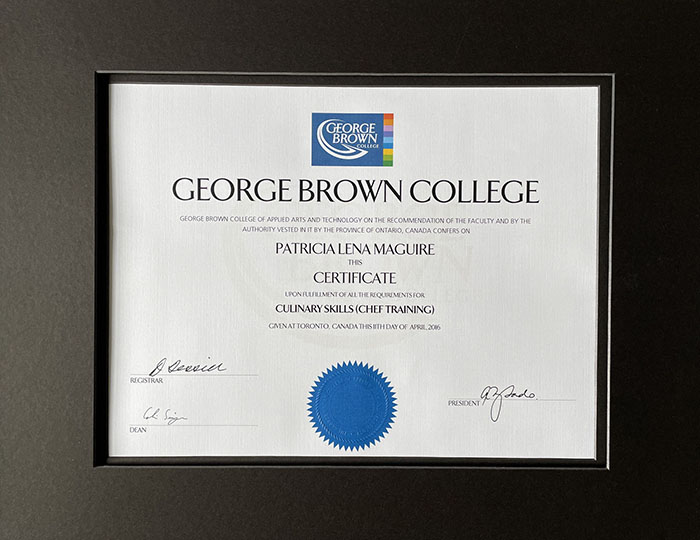
Patty Maguire is a George Brown College culinary graduate whose training focused on nutrition and cooking for special diets.
Since her celiac diagnosis in 2012, she has shared a practical, whole-food approach to naturally gluten-free living that helps readers cook with confidence, eat out safely, travel well, and live fully.
Rooted in farm-family values and simple home cooking, her work has been recognised by Feedspot’s top 10 Canadian gluten-free blogs list.
You might like these
Gluten-Free Salad Dressing: Easy Formula + 5 Simple Recipes
Learn a simple formula for gluten-free salad dressing plus easy recipes you can make in minutes. No bottles needed—just fresh, safe ingredients.
Gluten Free Meal Planning
meal planning and shopping list for a typical gluten free week
Perfect Poached Eggs
Protein is an essential part of a gluten free breakfast and these perfect poached eggs can be the quick easy centerpiece


Hi, I'm Patty.
I'm a person with celiac disease, a culinary school grad, and a lifelong student of food and natural healing.
After my diagnosis in 2012, I enrolled in the Chef’s School at George Brown College and earned my Culinary Skills diploma, focusing on nutrition and cooking for special diets.
Cooking has changed my life — and helped me take back my health. Now, I’m here to help you do the same.
Let’s do this together!

Subscribe!
Get Naturally Gluten-Free Digest
Practical gluten-free tips + a featured recipe/article
delivered to your inbox.
Recent Articles


-
How to Prep Ahead, Store and Reheat Gluten-Free Sheet Pan Dinners
Aug 07, 26 01:48 PM
 Learn how to prep gluten-free sheet pan dinners ahead, store leftovers safely and reheat them without drying out. Includes practical tips and a printable guide.
 -
Sheet Pan Cooking Made Easy: Get Everything to Finish at the Same Time
Jul 22, 26 04:14 PM
 Learn how to stagger sheet pan ingredients so everything finishes together. A simple method using timing windows—not complicated minute-by-minute schedules.
 -
Sheet Pan Cook Time Chart for Proteins and Vegetables
Jul 22, 26 04:13 PM
 Compare sheet pan cook times for proteins and vegetables, timing windows and safe internal temperatures. Includes a printable cook time chart.


Popular Articles


Trained in Culinary Skills with a focus on Nutrition and Healthy Eating!
Visit NGF (NaturallyGluten-Free) on Facebook at: https://www.facebook.com/naturallyglutenfree
On Substack at: Naturally Gluten-Free Digest
Patricia Maguire, copyright © 2026 naturallygluten-free.com Port Hope, Ontario, Canada. All rights reserved
Subscribe to
Naturally Gluten-Free Digest
- Feel safer and more confident eating gluten-free
- Save time and money with practical strategies
- Discover trustworthy recipes and resources without wading through misinformation
It's Free!
You won't have to remember to check back.
NGF will land in your inbox weekly.
and
As a thank-you from me you get a free
Printable Gluten-Free Food List
that you can pin to your fridge or take shopping.
I respect your privacy!
I won't use your email for anything but to send you the newsletter.