- Home
- Gluten Free Cooking
- Homemade Gluten-Free Sauces
- How to Make Gluten-Free Gravy
How to Make Gluten-Free Gravy That’s Rich, Smooth, and Satisfying
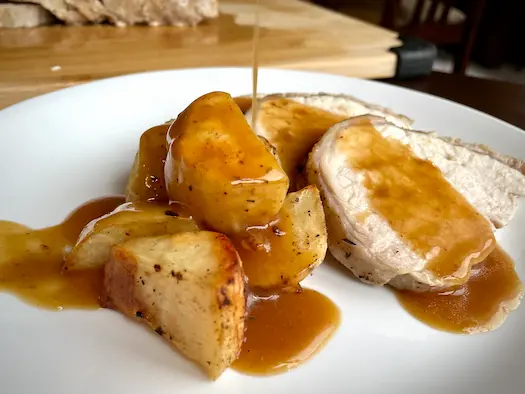
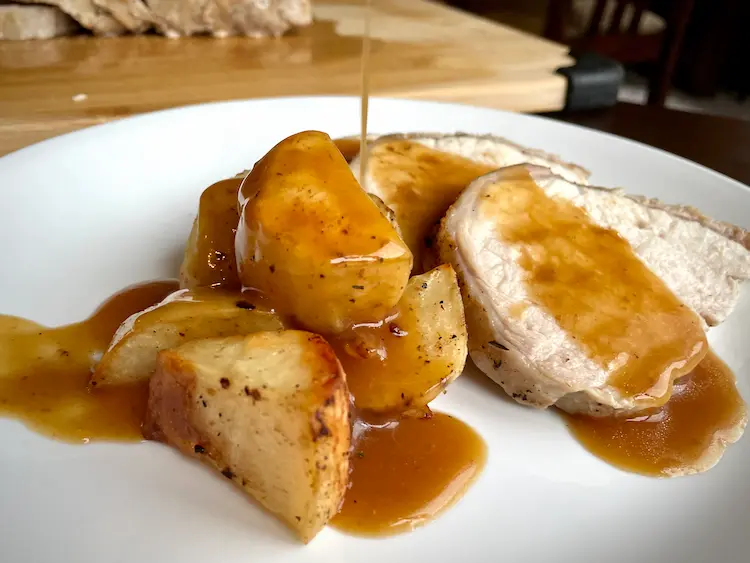
Learning how to make gluten-free gravy is one of those kitchen skills that can make a simple meal feel special. Whether you’re serving roast turkey, chicken, beef, or a big bowl of mashed potatoes, a rich homemade gravy brings everything together. And with this simple, reliable method, you'll be stirring up smooth, lump-free gravy with confidence — every time.
On This Page:
The Best Way to Make Gluten-Free Gravy
How to Make Gluten-Free Gravy Without Drippings
How to Make Gravy Without Flour
Pan Gravy vs Gravy vs Pan Sauce: What’s the Difference?
How to Fix Common Gluten-Free Gravy Problems
Make-Ahead, Storage, and Reheating
What to Serve with Gluten-Free Gravy
The Best Way to Make Gluten-Free Gravy
The best way to make gluten-free gravy is the traditional way — by making a roux with fat and flour, then whisking in flavorful drippings and broth.
The only difference between this and the gravy you grew up with is that you’ll be using gluten-free flour.
The simplest gluten-free gravy method:
Melt butter or use pan drippings, whisk in gluten-free flour, cook briefly, slowly whisk in broth, simmer until thick, then season.
 |
Want simple guidance, trusted resources, and doable recipes delivered to your inbox once a week? |
|
Ingredients You Need
- Pan drippings from your roast turkey, chicken, beef, or pork — This is the flavorful fat and liquid left in the roasting pan. You’ll need about 1 tablespoon of fat for each cup of gravy. If there isn’t enough fat, add a little butter.
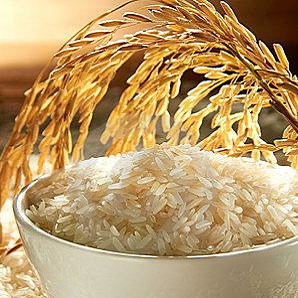
- Gluten-free flour — I use my regular all-purpose gluten-free flour blend. Sweet rice flour also works well.
- Gluten-free broth or stock — Use chicken broth for turkey, chicken, and pork. Use beef broth for beef.
- Salt and pepper — Add at the end to taste.
- Optional herbs — Rosemary is lovely with pork. Thyme works well with beef. Parsley is nice with chicken.
- Optional lemon juice or gluten-free Worcestershire sauce — A small splash can brighten the flavor if your gravy tastes a little flat.
Tools You Need
- A small saucepan
- A whisk
- Measuring cups and spoons
- A gravy boat or bowl (I often use my measuring cup)
- A rubber spatula to scrape out every last drop
I have provided a few links for your convenience. If you decide to purchase something, I may make a small commission at no extra cost to you.
Step-by-Step Gluten-Free Gravy with Drippings
 |
 |
 |
 |
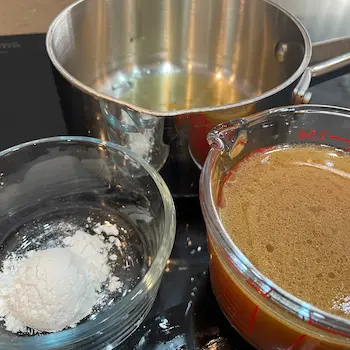
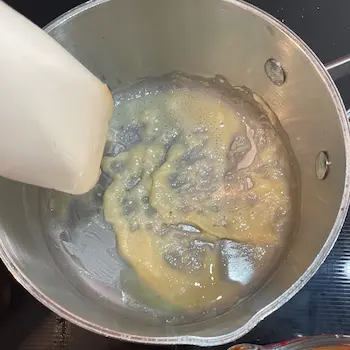
- Separate the drippings. Pour the drippings from your roasting pan into a measuring cup or fat separator. Let the fat rise to the top.
- Measure the fat. Add 1 tablespoon of fat to a saucepan for each cup of gravy you want to make. If you don’t have enough fat, add butter.
- Whisk in the flour. Add an equal amount of gluten-free flour and whisk until smooth.
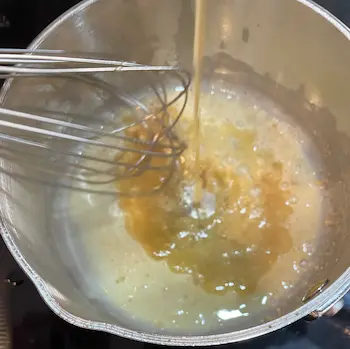
- Cook the roux. Cook for 1 to 2 minutes, whisking constantly. This removes the raw flour taste.
- Slowly whisk in the liquid. Gradually add the drippings and enough broth to make the amount of gravy you want. Use about 1 cup of liquid for every tablespoon of fat and flour.
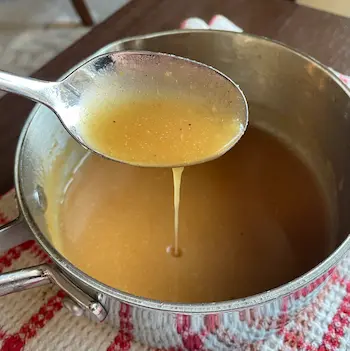
- Simmer until thickened. Bring the gravy to a gentle boil and whisk until it is smooth and thick.
- Taste and season. Add salt and pepper as needed. If the flavor seems a little flat, add a small splash of lemon juice or gluten-free Worcestershire sauce.
Optional but worth doing: If there are browned bits stuck to the roasting pan, place the pan over low heat, add a splash of broth or water, and scrape them up. Stir this flavorful liquid into your gravy.
How to Make Gluten-Free Gravy Without Drippings
Don't worry, you can still make gluten-free gravy even if you don’t have drippings from a roast. Simply follow the recipe above, but use butter instead of the fat from your roast and use a good-quality gluten-free broth for the liquid. You'll end up with a rich, flavorful gravy that you'll be every bit as proud to serve.
How to Build More Flavor
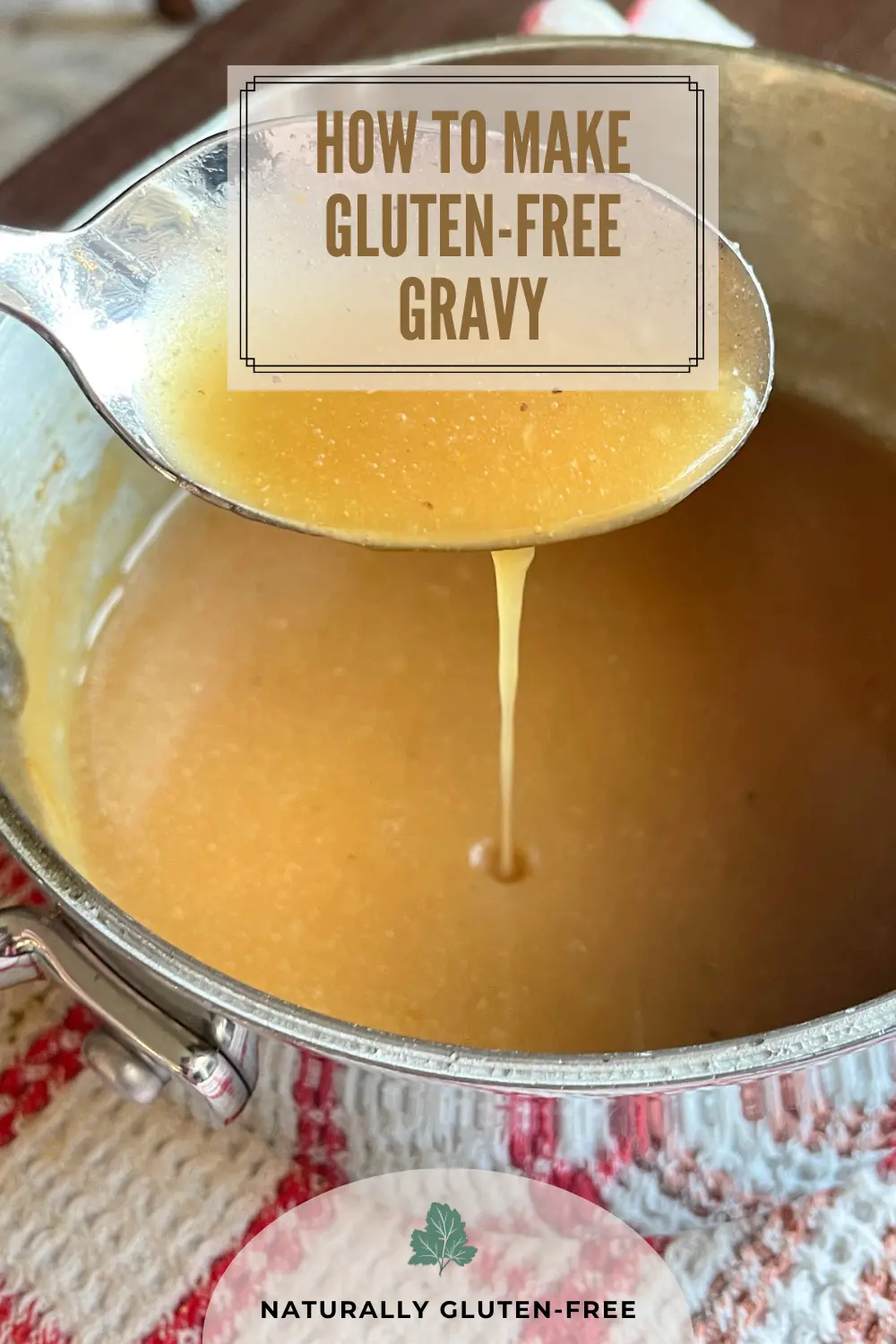
Because you don’t have the concentrated flavor that comes from roasted meat and browned bits in the pan, you may want to boost the flavor a little.
Here are a few easy ways to do that:
- Add finely diced onion or shallots and cook them in the butter before adding the flour.
- Use homemade stock if you have it. Reduce the stock to intensify the flavor.
- Add fresh herbs such as thyme, rosemary, or sage.
- Season with salt and pepper.
- Brighten the flavor with a small splash of lemon juice or gluten-free Worcestershire sauce.
My Favorite Method for Extra Flavor
When I’m making gravy without drippings, I often take a slightly different approach.
I put about 4 cups of gluten-free broth in a saucepan with:
- ¼ onion
- A chunk of carrot
- 2 bay leaves
- A few peppercorns
- A sprig of thyme (optional)
I let it simmer until it reduces by about half, then strain out the vegetables and thicken the broth with cornstarch.
This is my no-stress gravy method for when I have company and no pan-drippings. It takes a little longer, but that doesn't mean extra effort. The broth can quietly simmer while you prepare the rest of dinner.
How to Make Gravy Without Flour
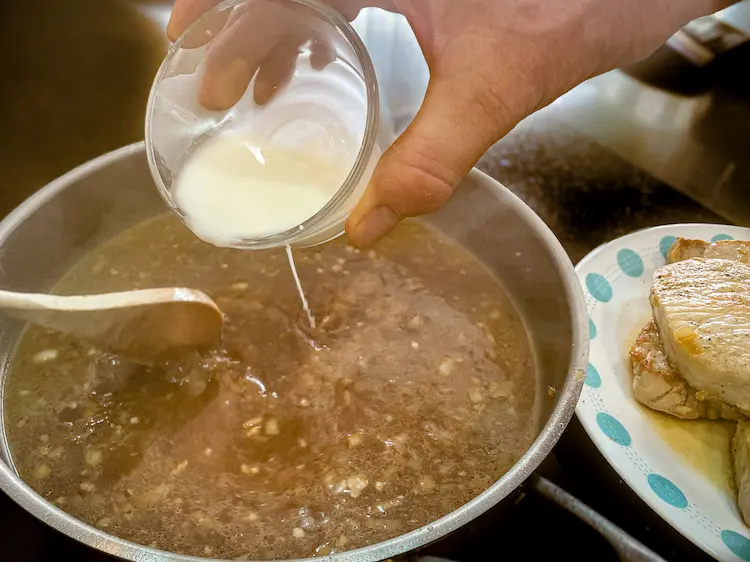
The most common way to make gravy without flour is to use cornstarch (cornflour in the UK).
Mix cornstarch with cold water to make a slurry, then whisk it into your simmering broth and drippings. As a general rule, 1 tablespoon of cornstarch will thicken 1 cup of gravy
If you’re avoiding grains, here are a few other ways to thicken gravy:
• Pureed vegetables – Sauté onion, garlic, and carrot in butter. Add broth, then puree with an immersion blender.
• Mashed potato flakes – Whisk in about 1 tablespoon of instant mashed potato flakes per cup of gravy.
• Arrowroot starch – Mix equal parts arrowroot and cold water to make a slurry, then whisk it into the simmering gravy. This is a grain-free alternative to cornstarch.
Pan Gravy vs Gravy vs Pan Sauce: What’s the Difference?
The terms pan gravy, gravy and pan sauce are often used interchangeably.
Pan gravy is simply gravy made from the drippings and browned bits left in the roasting or frying pan. In other words, it starts the same way as a pan sauce.
The difference is that a pan sauce is usually left fairly thin and finished with butter, while gravy is thickened with gluten-free flour or cornstarch until it is rich enough to pour over mashed potatoes.
You can make pan gravy in two ways:
- Build a roux with gluten-free flour and the fat from the pan (add butter if needed), then whisk in the drippings and broth.
- Make a pan sauce first, then thicken it with a cornstarch slurry.
Making Gravy in the Roast Pan
My preferred way to make homemade gravy from a roast is to make it right in the roast pan (so technically, it's pan gravy). This lets you capture all the flavorful browned bits stuck to the bottom of the pan.
If you use this method, remember to separate the fat from the liquid drippings then follow the traditional gravy recipe above.
Gluten-Free Gravy Ratio Chart
These ratios are a good starting point. If your gravy is too thick or too thin, simply adjust with a little more liquid or thickener.
|
Thickener Gluten-free flour |
Amount Needed 1 tablespoon |
Mixed With 1 tablespoon of fat |
Thickens 1 cup of liquid |
|
Cornstarch (cornflour in UK) |
1 tablespoon |
1 tablespoon of cold water |
1 cup of liquid |
|
Arrowroot starch |
1 tablespoon |
1 tablespoon of cold water |
1 cup of liquid |
|
Mashed potato flakes |
1 tablespoon |
-- |
1 cup of liquid |
Cornstarch and arrowroot should always be mixed with cold water before adding them to hot gravy to prevent lumps.
Gluten-Free Gravy Ratio Chart
These ratios are a good starting point. If your gravy is too thick or too thin, simply adjust with a little more liquid or thickener.
- Gluten-free flour: 1 tablespoon flour + 1 tablespoon fat thickens 1 cup of liquid.
- Cornstarch (cornflour in UK): 1 tablespoon cornstarch + 1 tablespoon cold water thickens 1 cup of liquid.
- Arrowroot starch: 1 tablespoon arrowroot + 1 tablespoon cold water thickens 1 cup of liquid.
- Mashed potato flakes: 1 tablespoon thickens 1 cup of liquid.
Cornstarch and arrowroot should always be mixed with cold water before adding them to hot gravy to prevent lumps.
How to Fix Common Gluten-Free Gravy Problems
Gravy is Too Thin
The best fix for thin gravy depends on the thickening method you chose.
If you thickened your gravy with a roux, make a paste out of equal parts butter and gluten-free flour. Add pea-sized pieces of the paste to your gravy and stir until cooked. Repeat until desired thickness is reached.
If you thickened your gravy with a slurry, add more slurry. Stir until cooked.
If you used the puree method, add more pureed vegetables.
Gravy is Too Thick
Add a little more broth or water and stir it into the gravy.
Gravy is Lumpy
Whisk vigorously to break up the lumps. If that doesn’t work, then strain your gravy through a mesh strainer or blend it in the blender or with an immersion blender. If using a blender remove the knob in the lid to let steam escape and cover with a towel.
Gravy is Bland
If your gravy is bland it may need more seasoning. Try adding a little salt and pepper. If it’s already salty enough, a little acid like lemon juice, apple cider vinegar or gluten-free Worcestershire sauce will brighten it up.
Gravy is Too Salty
Taste your sauce before adding salt. There may be enough in the drippings from cooking your meat. If your gravy is too salty, a squeeze of lemon juice can mask the saltiness. You can also try adding a bit of unsalted broth or butter. If you add broth, you may need to add thickener as well.
Gravy is Greasy
If there is a layer of grease on top of your gravy, you can skim that off, or use a gravy separator.
There is Not Enough Drippings in the Pan
If you don’t have enough drippings, use butter and a good quality broth. Build flavor with herbs and aromatics like garlic, onion and carrot. Reduce the broth to intensify the flavor.
Make-Ahead, Storage, and Reheating
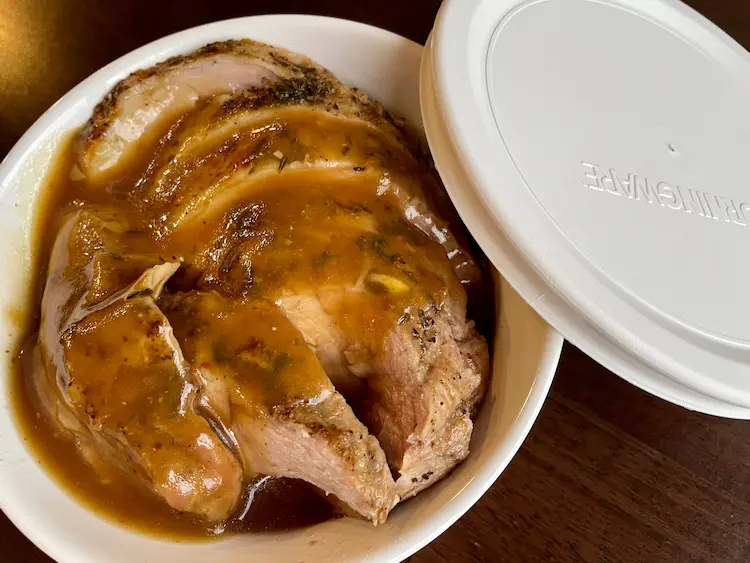
Gravy is an excellent make-ahead item, especially for holiday meals when there is already plenty to do. You can prepare it a day or two in advance and store it in the refrigerator. It will thicken as it cools, but that is perfectly normal.
To reheat, warm it gently over low heat, whisking often. If it seems too thick, add a splash of broth until it reaches the consistency you like.
Gluten-free gravy also freezes well for up to three months. Thaw it overnight in the refrigerator, then reheat gently and whisk until smooth. If the texture looks a little uneven after thawing, a small amount of broth and a good whisking will bring it right back.
What to Serve with Gluten-Free Gravy
Gluten-free gravy is wonderful over just about any roasted meat. It’s a natural partner for roast turkey, roast chicken, pork, and beef, and of course it’s hard to beat spooned generously over a pile of mashed potatoes.
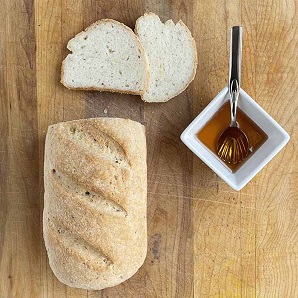
In our family, one of the best uses for leftover gravy is a hot roast beef or hot turkey sandwich — an open-faced sandwich with slices of meat on bread, covered with warm gravy and served with soup or a salad on the side.
Gravy also turns simple dishes into something special, like my beer-braised sausages with rich onion gravy.
If you’d like more ideas for cooking meat to juicy, flavorful perfection, see my Complete Guide to Gluten-Free Meat Cooking
Frequently Asked Questions
How do you thicken gluten-free gravy?
How do you thicken gluten-free gravy?
You can thicken gluten-free gravy with gluten-free flour, cornstarch (called cornflour in the UK), arrowroot starch, or even instant mashed potato flakes. The most common method is to whisk gluten-free flour into fat to make a roux, or to stir a cornstarch slurry into simmering broth and drippings.
Is cornstarch or gluten-free flour better for gravy?
Is cornstarch or gluten-free flour better for gravy?
Both work well, but they give slightly different results. Gluten-free flour makes a more traditional gravy with a rich, opaque appearance and a fuller mouthfeel. Cornstarch produces a smoother, glossier gravy. If you want classic holiday gravy, gluten-free flour is my first choice.
Can you make gluten-free gravy without drippings?
Can you make gluten-free gravy without drippings?
Yes. Simply replace the drippings with butter and use a good-quality gluten-free broth or stock. You’ll still get a delicious homemade gravy, especially if you add a few herbs and a splash of Worcestershire sauce or lemon juice to brighten the flavor.
How do you make gluten-free gravy from chicken drippings?
How do you make gluten-free gravy from chicken drippings?
Use the fat and browned bits left in the roasting pan after cooking your chicken. Whisk in an equal amount of gluten-free flour, cook for a minute or two, then slowly add the chicken drippings and gluten-free chicken broth while whisking. Simmer until thick and smooth.
How do you fix watery gluten-free gravy?
How do you fix watery gluten-free gravy?
Let it simmer a little longer to reduce and thicken naturally. If it is still too thin, whisk in a bit more cornstarch slurry or make a small amount of additional roux and whisk it into the gravy.
What flour works best in gluten-free gravy?
What flour works best in gluten-free gravy?
A good all-purpose gluten-free flour blend works very well and is the easiest option for most home cooks. Sweet rice flour is another excellent choice and produces a smooth, silky gravy. Use whichever you already have in your pantry.
Can I make gluten-free gravy ahead of time?
Can I make gluten-free gravy ahead of time?
Yes. Gluten-free gravy can be made a day or two ahead and stored in the refrigerator. Reheat it gently on the stovetop, adding a little broth if it has thickened too much.
Can I freeze gluten-free gravy?
Can I freeze gluten-free gravy?
Yes. Let the gravy cool completely, then freeze it in an airtight container for up to three months. Thaw in the refrigerator and reheat gently, whisking well to restore a smooth texture.
Are cornstarch and cornflour the same thing?
Are cornstarch and cornflour the same thing?
In the UK, cornflour is the same as cornstarch in North America. Both are fine white powders used to thicken sauces and gravies. In North America, corn flour usually refers to finely ground cornmeal, which is a different product.
|
|
Want simple guidance, trusted resources, and doable recipes delivered to your inbox once a week? |
|

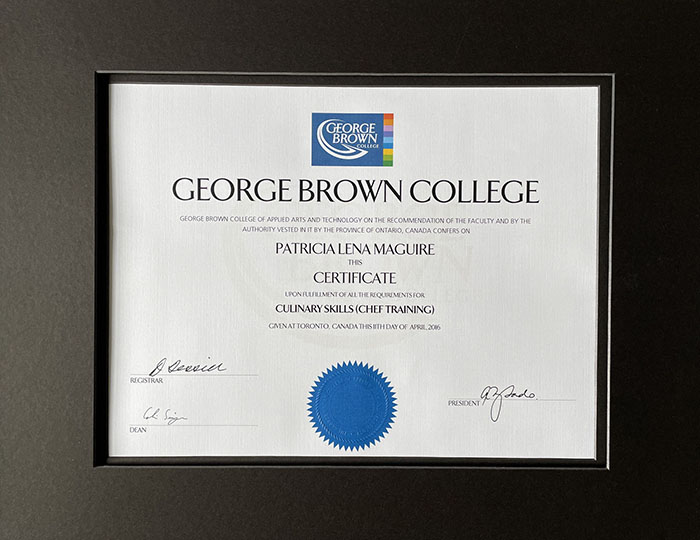
Patty Maguire is a George Brown College culinary graduate whose training focused on nutrition and cooking for special diets.
Since her celiac diagnosis in 2012, she has shared a practical, whole-food approach to naturally gluten-free living that helps readers cook with confidence, eat out safely, travel well, and live fully.
Rooted in farm-family values and simple home cooking, her work has been recognised by Feedspot’s top 10 Canadian gluten-free blogs list.
You might like these
Gluten-Free Salad Dressing: Easy Formula + 5 Simple Recipes
Learn a simple formula for gluten-free salad dressing plus easy recipes you can make in minutes. No bottles needed—just fresh, safe ingredients.
Gluten Free Meal Planning
meal planning and shopping list for a typical gluten free week
Perfect Poached Eggs
Protein is an essential part of a gluten free breakfast and these perfect poached eggs can be the quick easy centerpiece


Hi, I'm Patty.
I'm a person with celiac disease, a culinary school grad, and a lifelong student of food and natural healing.
After my diagnosis in 2012, I enrolled in the Chef’s School at George Brown College and earned my Culinary Skills diploma, focusing on nutrition and cooking for special diets.
Cooking has changed my life — and helped me take back my health. Now, I’m here to help you do the same.
Let’s do this together!

Subscribe!
Get Naturally Gluten-Free Digest
Practical gluten-free tips + a featured recipe/article
delivered to your inbox.
Recent Articles


-
How to Prep Ahead, Store and Reheat Gluten-Free Sheet Pan Dinners
Aug 07, 26 01:48 PM
 Learn how to prep gluten-free sheet pan dinners ahead, store leftovers safely and reheat them without drying out. Includes practical tips and a printable guide.
 -
Sheet Pan Cooking Made Easy: Get Everything to Finish at the Same Time
Jul 22, 26 04:14 PM
 Learn how to stagger sheet pan ingredients so everything finishes together. A simple method using timing windows—not complicated minute-by-minute schedules.
 -
Sheet Pan Cook Time Chart for Proteins and Vegetables
Jul 22, 26 04:13 PM
 Compare sheet pan cook times for proteins and vegetables, timing windows and safe internal temperatures. Includes a printable cook time chart.


Popular Articles


Trained in Culinary Skills with a focus on Nutrition and Healthy Eating!
Visit NGF (NaturallyGluten-Free) on Facebook at: https://www.facebook.com/naturallyglutenfree
On Substack at: Naturally Gluten-Free Digest
Patricia Maguire, copyright © 2026 naturallygluten-free.com Port Hope, Ontario, Canada. All rights reserved
Subscribe to
Naturally Gluten-Free Digest
- Feel safer and more confident eating gluten-free
- Save time and money with practical strategies
- Discover trustworthy recipes and resources without wading through misinformation
It's Free!
You won't have to remember to check back.
NGF will land in your inbox weekly.
and
As a thank-you from me you get a free
Printable Gluten-Free Food List
that you can pin to your fridge or take shopping.
I respect your privacy!
I won't use your email for anything but to send you the newsletter.