- Home
- Gluten Free Cooking
- Homemade Gluten-Free Sauces
Homemade Gluten-Free Sauces: How to Make Them + Easy Recipes
Reading Time: About 10 minutes
Learning how to make homemade gluten-free sauces might be the most useful and satisfying kitchen skill you will ever acquire.
It will take you from the frustration of staring at ingredient lists to the freedom and confidence of mixing up gluten-free sauces in your own kitchen.
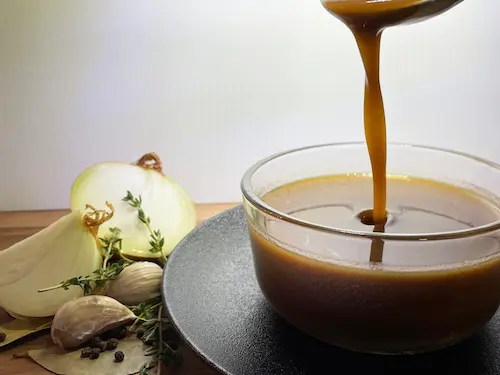
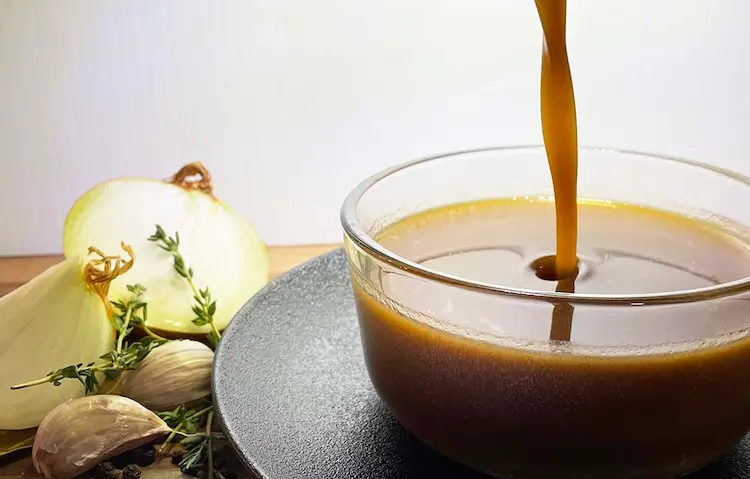
When you start making your own sauces, you may notice that most are made from naturally gluten-free ingredients:
- fresh onion, garlic and herbs
- a good-quality gluten-free broth (or stock)
- oils, acids and flavorings you likely already have in your pantry
- thickeners that are either naturally gluten-free like cornstarch, or a simple substitute like gluten-free flour
Once you understand how these elements work together, you’ll start making your own sauces — often without needing a recipe.
On this page:
Start with a few simple sauces, then learn how to build your own with confidence.
The Best Gluten-Free Sauces to Start With
What Makes a Sauce Gluten-Free (or Not)
The Basic Structure of a Sauce
The Three Sauces You'll Make Over and Over
Which Sauce for Which Meal — Pairing Sauces with Food
The Best Gluten-Free Sauces to Start With
A gluten-free sauce — like any sauce — is made from a liquid, a thickener, and flavorings. The key is to choose ingredients with no wheat, barley, or rye.
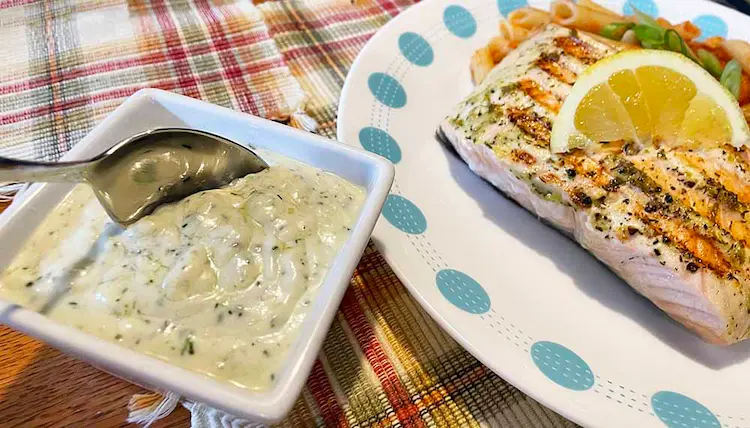
With that in mind, let’s try a few simple sauces you can mix together in minutes using ingredients you likely already have on hand.
Simple Aioli for Fish:
Mix together:
- 1/2 cup mayonnaise
- 2 cloves garlic, minced
- 2 teaspoons lemon juice
- 2 teaspoons Dijon mustard
- 1/2 teaspoon dried tarragon or dill
Serve this with grilled or baked fish or with my Gluten-Free Baked Haddock.
Easy Pan Gravy
This is the perfect simple sauce for pan fried protein like sausages, pork chops, or chicken breasts.
- Brown your protein on both sides, then remove it from the pan.
- Add diced onion and stir to loosen up the brown bits from the bottom of the pan. Add a little wine, water or stock to loosen if necessary.
- Add stock.
- Add your protein back to the pan to finish cooking.
- Thicken with cornstarch and water.
This is the method I use for my Beer Braised Sausages, where the sauce develops right in the pan.
How to Make Smooth, Rich Gluten-Free Gravy
Would you like a reliable method for making gluten-free gravy with or without drippings?
How to Make Gluten-Free Gravy will teach you the basics and give you make-ahead tips, and fixes for lumpy or thin gravy.

Stir-Together Seafood Sauce (Cocktail Sauce)
Mix together:
- Ketchup
- Horseradish
- Splash of lemon juice
- Dash of gluten-free Worcestershire sauce
This will complement your shrimp ring perfectly, or serve with my Coconut Shrimp.
Pico de Gallo — Fresh Tomato Salsa
Mix together:
- Diced ripe tomatoes — seeds removed
- Kosher salt
- Finely diced onion
- Jalapeno pepper
- Lime juice
- Chopped cilantro
Serve with nachos or tacos. This easy sauce is perfect for your next Mexican-themed dinner.
How to Make an Easy, Restaurant-Quality Pan Sauce in 5 Minutes
Learn how to make a delicious pan sauce in 5 minutes and turn the browned bits in your skillet into a gluten-free sauce that makes chicken, steak, or pork taste special.

What Makes a Sauce Gluten-Free (or Not)
Even though many sauces are naturally gluten-free, gluten does appear in some predictable places.
Knowing what to watch for makes it much easier to substitute safely in gluten-free recipes.
Gluten in Sauces: Four Ingredients to Watch For
You know that gluten comes from wheat, rye, or barley, and that you need to avoid these grains. But what does that look like on a label or in a recipe?
You need to watch for:
- wheat flour
- barley malt
- malt vinegar (often found in Worcestershire sauce)
- soy sauce
If you see any of these, you know you need to avoid them or find a gluten-free alternative.
How to Make Sauces Gluten-Free — Quick Reference
Gluten doesn't "hide" in sauces, it shows up in predictable places. Here is a quick reference guide to finding and avoiding gluten in sauces.
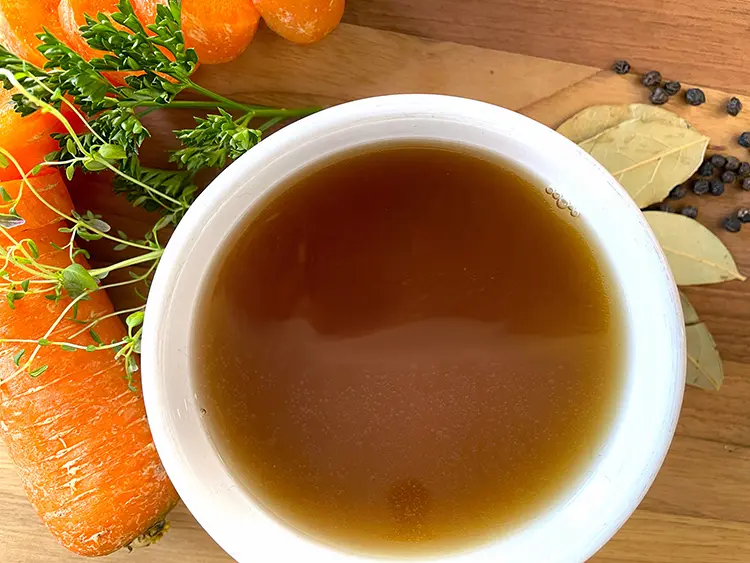
How to Make Sauces Gluten-Free: Quick Substitution Guide
- Broth — Use gluten-free broth.
- Wheat flour — Use gluten-free flour, cornstarch, tapioca, arrowroot, or other thickening method.
- Soy sauce — Use gluten-free soy sauce, tamari, coconut aminos.
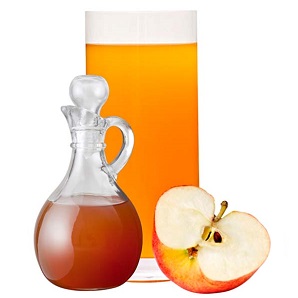
- Malt vinegar — Use apple cider vinegar.
- Worcestershire sauce — Use gluten-free Worcestershire sauce.
- Packaged Mixes or Bottled Sauces — Look for gluten-free versions or make your own.
When in doubt, simple whole ingredients are usually the safest choice.
Gluten-Free Recipe Substitutions is your go-to guide to making your recipes gluten-free.
 |
Want simple guidance, trusted resources, and doable recipes delivered to your inbox once a week? |
|
The Basic Structure of a Sauce
A sauce is a liquid, usually thickened, that we add to our food to improve texture, add moisture, and enhance flavor.
With that in mind, every sauce can be broken down into three simple parts:
- A base liquid
- A thickener
- Flavor enhancers
Once you understand this simple structure, you can build almost any sauce — without needing a recipe.
Now let’s look at the options for each part.
Liquid for Homemade Gluten-Free Sauces
Most sauces start with one of these base liquids:
- Stock (or broth) — like chicken, beef, vegetable, turkey or veal. Just make sure you use gluten-free broth.
- Milk or cream — This includes plant-based milk alternatives like coconut milk, rice milk, almond milk, etc. These are naturally gluten-free, but check labels anyway.
- Pureed vegetables or fruit — like tomatoes, peppers, potatoes, squash, apples, pears, etc. These are also naturally gluten-free.
How to Thicken a Gluten-Free Sauce
There are several ways to thicken your homemade gluten-free sauce. Each method gives a slightly different texture and works best in different situations.
Thickening Sauce with a Flour-Based "Roux"
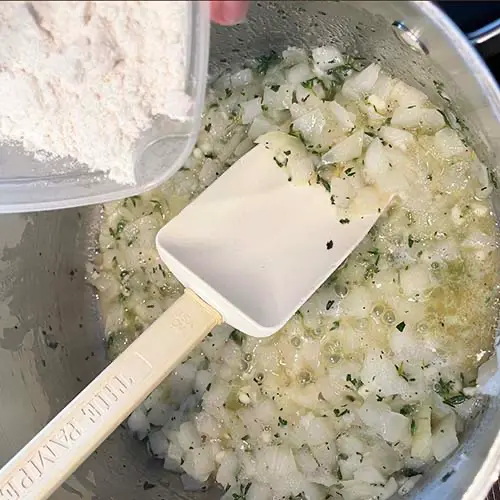
A "roux" is a mixture of equal parts fat and flour.
This is the most traditional thickening method. It gives sauces a rich, smooth texture, and it holds up well to high heat, long cooking, and storage in the fridge or freezer.
Fat — Use butter, olive oil, other cooking oil, bacon fat, or lard.
Flour — Most gluten-free flours will work. Try sweet rice flour or your favorite all-purpose flour blend.
- Melt your fat in the bottom of a saucepan.
- Add flour, mix and cook for 2 or 3 minutes.
- Slowly whisk in liquid.
Use 1 - 2 tablespoons of flour to one cup of liquid.
Alternative: Aromatic Roux
If you are browning vegetables or meat — maybe for a stew — sprinkle your flour overtop, stir and cook for a few minutes, then cool and add your liquid.
Using Starches to Thicken a Gluten-Free Sauce
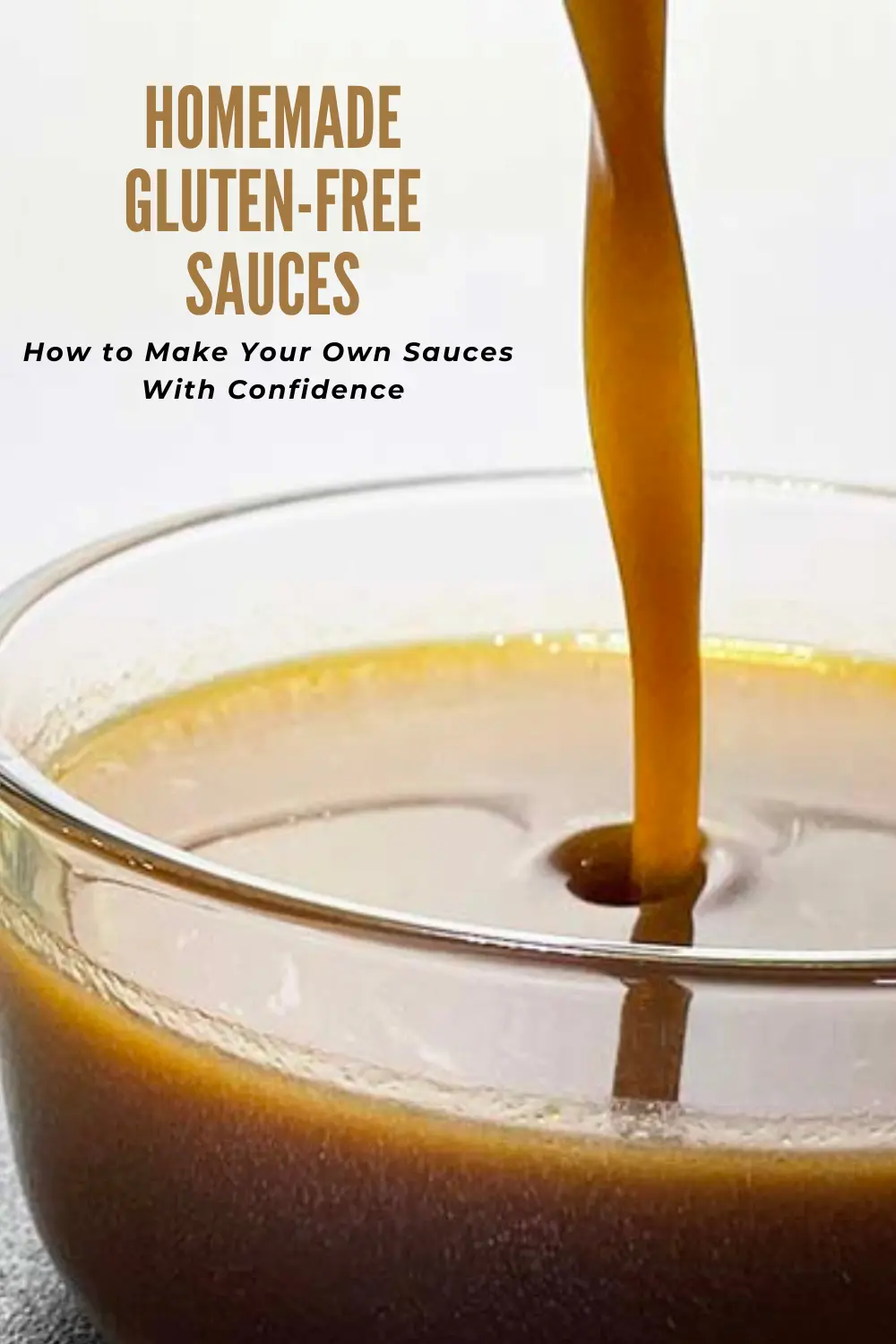
Starches like cornstarch, tapioca starch or arrowroot are naturally gluten-free. Just make sure they are not contaminated with wheat flour from baking.
Starches are popular thickeners because they are easy to use and go in right at the end of cooking. They’re best for quick sauces you’ll serve right away.
The downside is that starch-thickened sauces don’t hold up well to long cooking or freezing.
To use starch as a thickener:
- Combine equal amounts of starch and cold water and stir.
- Slowly whisk into your sauce and let cook for a few minutes.
Use about 1 tablespoon of starch one cup of liquid.
Puree as a Thickening Method
This is one of the easiest ways to keep sauces naturally gluten-free without relying on flours or starches.
Applesauce, or tomato sauce are the first to come to mind when I think of pureed sauces. These are excellent examples, but consider these possibilities:
- Puree some of the vegetables from your stew to thicken up the sauce
- Add pureed potatoes to chili to thicken it up.
You can "reduce" your pureed sauce to thicken it more and intensify the flavor.
Try this Gluten Free Hotpot with Chocolate and Cider. It combines the starch and puree methods for a naturally gluten-free thickener.
Important Safety Tip!!!
If you are pureeing hot liquid in the blender, take the handle out of the lid and cover the blender with a towel.
This lets the steam escape, so your hot liquid won’t explode all over you and your kitchen.
Reduction — To Thicken and Intensify Flavor
Reduction simply means simmering your sauce so some of the water evaporates. As the liquid reduces, the sauce becomes thicker and more flavorful.
Reduction is often used in combination with other thickening methods.
Emulsifying — To Thicken and Combine Ingredients
An emulsion combines ingredients that don’t normally mix, like oil and vinegar. It will combine into a thick liquid, but it will quickly separate.
Certain "stabilizers" will help the emulsion hold longer. For example:
- Add Dijon mustard to olive oil and lemon juice for a lemon-mustard dressing
- Slowly whisk oil into egg yolks to make mayonnaise.
- Slowly whisk butter into egg yolks to make hollandaise sauce.
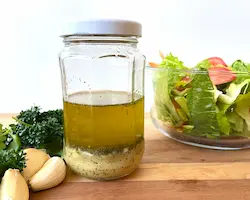
Gluten-Free Salad Dressing: Simple Formula + 5 Easy Recipes:
Would you like to learn a simple formula for homemade vinaigrettes and creamy dressings you can make in minutes?
My Gluten-Free Salad Dressing Guide will teach you the basics and give you lots of options.
The Three Sauces You'll Make Over and Over
Once you learn these three sauces, you’ll be able to make countless variations without relying on packaged mixes.
Imagine the room in your pantry!
If you're looking for advice on how to stock your pantry with gluten-free staples, my Guide to Stocking Your Gluten-Free Pantry can help.
Gluten Free White Sauce or Veloute
This versatile sauce pairs beautifully with chicken or fish. It is one of the classic “mother sauces” in cooking.
Spoon it over a baked salmon fillet or chicken breast. It is also the base for chicken and dumplings, or chicken pot pie.
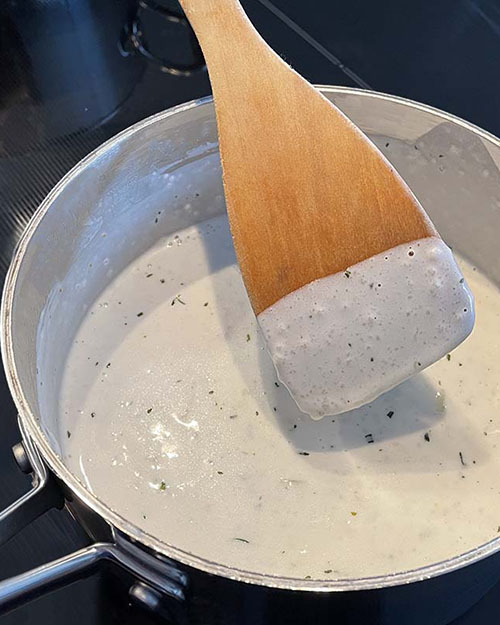
Make your roux:
- Melt 2 tablespoons of butter in a saucepan
- Add 2 tablespoons of gluten-free flour. Stir and cook for 2 to 3 minutes. Don't let it brown.
- Remove from the heat and let cool a bit.
Add liquid and season:
- Slowly whisk in 2 cups of chicken stock. Continue whisking until well combined — no lumps.
- Simmer gently 8 - 10 minutes, stirring often.
- Season with salt and pepper.
Optional: You can enhance the flavor by tying a clove of garlic and a bay leaf in a piece of cheesecloth and letting it simmer in the sauce.
Versatility of a White Sauce:
It's called a foundation sauce because it can be the base for other sauces. Add cream for a cream sauce or "supreme". Add mushrooms, lemon juice and parsley for a mushroom sauce. You get the picture.
Gluten Free Brown Sauce
This sauce is amazing with red meat. It is the sauce you'll serve with your roast beef and it's the base for beef stew. Pour brown sauce over French fries and cheese curds and you have a French-Canadian delicacy — poutine!
Start with an aromatic roux:
- Melt 2 tablespoons of butter in a saucepan
- Add diced onion, celery and carrots. Stir and cook until lightly browned.
- Add 2 tablespoons of gluten-free flour. Stir and cook for a few more minutes.
- Remove from the heat and let cool a bit.
Add liquid and season:
- Slowly whisk in 2 cups of beef stock. Continue whisking until well combined — no lumps.
- Simmer gently 8 - 10 minutes, stirring often.
- Season with salt and pepper.
Options to finish your sauce:
I like to add a splash of gluten-free soy sauce and gluten-free Worcestershire sauce to deepen the color and flavor.
Your sauce as it is will have pieces of onion, carrot, and celery. That's fine, but if you want a smooth sauce you can strain it or puree it.
Want to try it out? My Gluten-Free Beef Stew with Chocolate and Red Wine is a beautiful twist on this sauce.
Gluten Free Bechamel
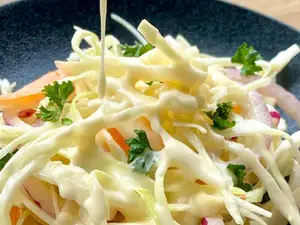
This creamy milk-based sauce works well over a grilled chicken breast. If you add cheese, you can pour it over steamed cauliflower or, better yet, make it the star of your own homemade macaroni and cheese.
Substitute a creamy plant-based milk like coconut milk to make it dairy-free.
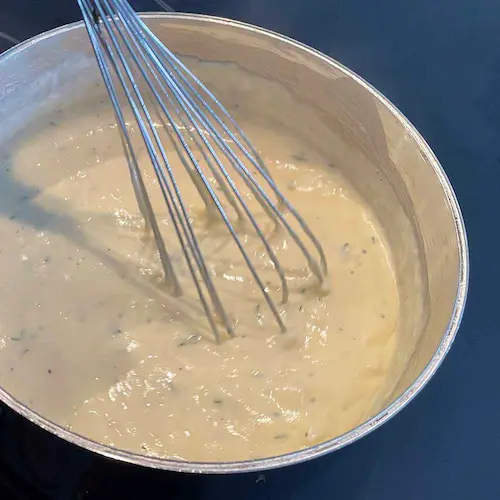
Make your roux:
- Melt 2 tablespoons of butter in a saucepan
- Add 2 tablespoons of gluten-free flour. Stir and cook for a few more minutes.
- Remove from the heat and let cool a bit.
Add liquid and season:
- Slowly whisk in 2 cups of milk (or plant-based milk.) Continue whisking until well combined — no lumps.
- Simmer gently 8 - 10 minutes, stirring often.
- Season with salt and pepper.
Want to try it out? My Easy, Creamy Gluten-Free Mac and Cheese starts with a creamy gluten-free béchamel sauce and turns into the best mac and cheese you've ever tasted.
Pureed Sauces
Pureed sauces are one of the simplest ways to make naturally gluten-free sauces.
They don't require thickening agents like flour or starches — just fresh ingredients. Here are some examples:
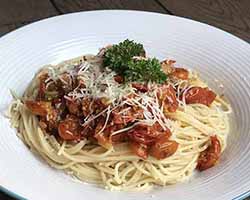
Homemade, Naturally Gluten-Free Tomato Sauce
One of the most common pureed sauces is tomato sauce. It's the base for pasta sauce. You can spread it on pizza or use it in thick and wonderful vegetable stews. And it's so simple:
- Heat 2 tablespoons of olive oil and 2 tablespoons of butter in a large saucepan.
- Add diced onion and minced garlic and cook until soft. Add a teaspoon of sugar.
- Add 2 (28-ounce) cans of whole plum tomatoes.
- Simmer for at least an hour, then use a masher or immersion blender to break up the sauce.
- Stir in 2 to 3 tablespoons of chopped fresh basil.
Tip: San Marzano style tomatoes will give you the best flavor.
Gluten-Free Roasted Cherry Tomato Sauce: What a wonderful and simple way to use up the fall harvest of cherry tomatoes, or to pretend it's fall in the winter.
Vegetable Purees
Pureed vegetables like bright green peas and beautiful orange sweet potatoes add color, flavor, and nutrients to a dish. Spoon a little on the plate and set your main protein on top.
- Cook your vegetable of choice along with onion, garlic, salt and pepper — roasting brings out the flavor and sweetness best.
- Puree with a blender or immersion blender
- Add a little white stock or water to thin it out if necessary
- You can add fresh herbs or a pinch of nutmeg.
Which Sauce for Which Meal — Pairing Sauces with Food
If you have a meal in mind but aren’t sure which sauce to use, here’s a simple guide to get you started:
- Fish — Aioli, béchamel, butter and lemon pan sauce, pineapple chutney
- Shrimp / seafood — Seafood (cocktail) sauce
- Pan-fried meats — Pan gravy
- Grilled meats (lamb, chicken) — Yogurt sauce, white sauce
- Pasta — Tomato sauce, cheese sauce, Alfredo
- Roast beef — Brown sauce or gravy
- Stir-fry — Simple stir-fry sauce, teriyaki
- Vegetables — Butter with herbs, cheese sauce, yogurt sauce
Once you understand the basics, you can mix and match sauces based on what you have on hand.
Troubleshooting Gluten-Free Sauces
Even experienced cooks run into little problems with sauces. Whatever your issue or mistake, rest assured I've made it too. Most sauce problems are easy to diagnose and fix.
Fixing a Lumpy Sauce
Lumps usually happen when flour or starch isn’t incorporated properly — for example, adding dry flour directly to liquid or skipping the roux.
How to fix it:
Whisk vigorously to break up the lumps. If needed, strain the sauce through a sieve.
How to Thicken a Sauce That's Too Thin
If your sauce is too thin, it usually needs more thickener or more reduction.
How to fix it:
- For flour-thickened sauces, mix equal parts butter and flour into a paste (called a beurre manié). Add a pea-sized portion to your sauce and cook for a minute or two. Repeat until your sauce is the desired thickness.
- Reduce your sauce by simmering on medium heat. This remedy works well for pureed sauces, but can work for other sauces too.
- Mix a little cornstarch and water and add it to your sauce. Cook for a minute or two to thicken.
How to Fix a "Broken" Sauce
A broken sauce is one where the fat and liquid have separated. For a vinaigrette dressing, this is expected. Just whisk or shake it up. For a "permanent" emulsion like mayonnaise or hollandaise, it's a little trickier.
A mayonnaise or hollandaise will break if:
- You add the oil too quickly
- The heat is too high (for hollandaise)
How to fix it:
The best fix is to start the emulsion process over:
- Remove from the heat if applicable
- Put a small amount of the sauce in the bottom of the bowl or pan
- Whisk vigorously and add the remaining broken sauce a little at a time while whisking.
How to Fix a Too Salty Sauce
Sauces often become too salty as they reduce and flavors concentrate.
How to fix it:
- You can add liquid and thickener to make more sauce and dilute the saltiness.
- You can add a little acid like lemon juice to disguise the salty taste.
- You may have heard that adding a raw potato to a sauce will reduce saltiness. I don't think it works but it can't hurt to try.
FAQs About Gluten-Free Sauces
What sauces are naturally gluten-free?
What sauces are naturally gluten-free?
Many sauces are naturally gluten-free when made from whole ingredients like vegetables, broth, herbs, and oils. Pureed sauces like tomato sauce or fruit-based sauces are often naturally gluten-free without needing flour or starch.
How do you thicken a sauce without flour?
How do you thicken a sauce without flour?
You can thicken a sauce using cornstarch, tapioca, arrowroot, pureed vegetables, reduction (simmering), or emulsifying methods like egg yolks or mustard.
What is the best gluten-free thickener for sauces?
What is the best gluten-free thickener for sauces?
Cornstarch and tapioca starch are the most common gluten-free thickeners. Gluten-free flour works well for roux-based sauces, while purees are a naturally gluten-free option.
Can you make gravy without flour?
Can you make gravy without flour?
Yes. Gluten-free gravy can be made using cornstarch or by reducing stock and pan drippings. Pureed vegetables can also help thicken gravy naturally.
Why did my gluten-free sauce turn gummy?
Why did my gluten-free sauce turn gummy?
This can happen when too much starch is used or the sauce is overcooked. Tapioca and cornstarch can become gummy if heated too long or reheated repeatedly.
Helpful Tips for Better Homemade Sauces
Here are a few tips I've learned over the years to help make your sauces better.
- Check thickness — The sauce should coat the back of a spoon, with the grain still visible. When you run your finger through it, you should see the track.
- Tie herbs and spices in cheesecloth — This makes them easy to remove and keeps your sauce smooth.
- Season at the end — Flavors concentrate as sauces reduce, so add most of your salt last.
- Reduce gently — A slow simmer gives better flavor and prevents burning.
- Taste as you go — Small adjustments along the way make a big difference.
Looking for more sauce ideas? Try:
Gluten-free teriyaki sauce can be hard to find. Try my Homemade Gluten-Free Teriyaki Sauce and you'll stop looking for a bottled version.
My Gluten-Free Curry Pineapple Chutney started as a romantic getaway. Now it accompanies my Easter ham, my summer grilled salmon, and my everyday pork roast.
|
|
Want simple guidance, trusted resources, and doable recipes delivered to your inbox once a week? |
|

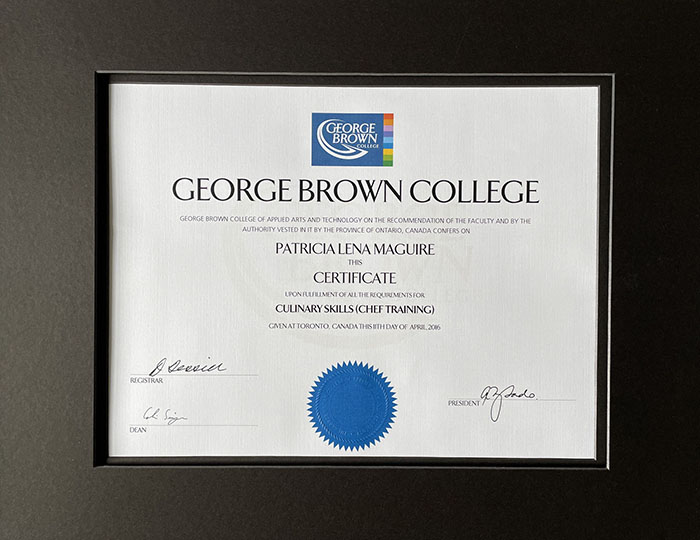
Patty Maguire is a George Brown College culinary graduate whose training focused on nutrition and cooking for special diets.
Since her celiac diagnosis in 2012, she has shared a practical, whole-food approach to naturally gluten-free living that helps readers cook with confidence, eat out safely, travel well, and live fully.
Rooted in farm-family values and simple home cooking, her work has been recognised by Feedspot’s top 10 Canadian gluten-free blogs list.
Home > Gluten-Free Cooking > Homemade Gluten-Free Sauces
You might like these
Gluten-Free Salad Dressing: Easy Formula + 5 Simple Recipes
Learn a simple formula for gluten-free salad dressing plus easy recipes you can make in minutes. No bottles needed—just fresh, safe ingredients.
Gluten Free Meal Planning
meal planning and shopping list for a typical gluten free week
Perfect Poached Eggs
Protein is an essential part of a gluten free breakfast and these perfect poached eggs can be the quick easy centerpiece


Hi, I'm Patty.
I'm a person with celiac disease, a culinary school grad, and a lifelong student of food and natural healing.
After my diagnosis in 2012, I enrolled in the Chef’s School at George Brown College and earned my Culinary Skills diploma, focusing on nutrition and cooking for special diets.
Cooking has changed my life — and helped me take back my health. Now, I’m here to help you do the same.
Let’s do this together!

Subscribe!
Get Naturally Gluten-Free Digest
Practical gluten-free tips + a featured recipe/article
delivered to your inbox.
Recent Articles


-
How to Prep Ahead, Store and Reheat Gluten-Free Sheet Pan Dinners
Aug 07, 26 01:48 PM
 Learn how to prep gluten-free sheet pan dinners ahead, store leftovers safely and reheat them without drying out. Includes practical tips and a printable guide.
 -
Sheet Pan Cooking Made Easy: Get Everything to Finish at the Same Time
Jul 22, 26 04:14 PM
 Learn how to stagger sheet pan ingredients so everything finishes together. A simple method using timing windows—not complicated minute-by-minute schedules.
 -
Sheet Pan Cook Time Chart for Proteins and Vegetables
Jul 22, 26 04:13 PM
 Compare sheet pan cook times for proteins and vegetables, timing windows and safe internal temperatures. Includes a printable cook time chart.


Popular Articles


Trained in Culinary Skills with a focus on Nutrition and Healthy Eating!
Visit NGF (NaturallyGluten-Free) on Facebook at: https://www.facebook.com/naturallyglutenfree
On Substack at: Naturally Gluten-Free Digest
Patricia Maguire, copyright © 2026 naturallygluten-free.com Port Hope, Ontario, Canada. All rights reserved
Subscribe to
Naturally Gluten-Free Digest
- Feel safer and more confident eating gluten-free
- Save time and money with practical strategies
- Discover trustworthy recipes and resources without wading through misinformation
It's Free!
You won't have to remember to check back.
NGF will land in your inbox weekly.
and
As a thank-you from me you get a free
Printable Gluten-Free Food List
that you can pin to your fridge or take shopping.
I respect your privacy!
I won't use your email for anything but to send you the newsletter.