- Home
- Gluten Free Cooking
- Sheet Pan Dinner Method
- Cook Time Chart
Sheet Pan Cook Time Chart for Proteins and Vegetables
Sheet pan dinners are an easy way to get a complete meal on the table with minimal fuss and cleanup. The challenge is that you are working with multiple ingredients that have different cooking times.

I've created these quick reference charts so you have approximate roasting times for common proteins and vegetables at your fingertips. They complement my Gluten-Free Sheet Pan Dinner Method by helping you quickly identify which ingredients naturally share the same timing window.
 |
Want simple guidance, trusted resources, and doable recipes delivered to your inbox once a week? |
|
Cook Time Charts
These are typical cooking times for average-sized pieces, roasted at 400°F (205°C).
Actual cooking times vary depending on the size of the ingredients, your oven and the type of baking sheet you use.
If your ingredients don’t naturally fall into the same timing window, see How to Stagger Sheet Pan Ingredients to learn how to make everything finish together.
Keep a copy in your kitchen for quick reference while planning sheet pan meals.
Timing Window Key
Using "timing windows" rather than precise cook times simplifies the timing of your sheet pan dinner and helps you see quickly which items pair well together on the pan. The windows in the timing chart below are defined like this:
|
Timing Window Very Fast Fast Moderate Slow Very Slow |
Approximate Time 10–15 minutes 15–20 minutes 20–25 minutes 25–35 minutes 45–50 minutes |
Protein Timing Chart
|
Protein |
Typical Cook Time (400°F) |
Safe Internal Temperature |
Timing Window |
|
Shrimp |
10–15 min |
Opaque and firm |
Very Fast |
|
Thin white fish |
10–15 min |
145°F (63°C) |
Very Fast |
|
Salmon fillets |
15–20 min |
145°F (63°C) |
Fast |
|
Boneless pork loin chops (¾–1”)* |
*20–30 min |
145°F (63°C), rest 3 min |
Slow |
|
Chicken breast |
25–35 min |
165°F (74°C) |
Slow |
|
Pork tenderloin |
25–35 min |
145°F (63°C), rest 3 min |
Slow |
|
Sausages |
25–35 min |
165°F (74°C) |
Slow |
|
Chicken legs |
45–50 min |
165°F (74°C) |
Very Slow |
|
Extra-firm tofu (cubed) |
**25–35 min |
Not applicable |
Slow |
Shrimp
Cook time: 10–15 minutes
Safe internal temperature: Cook until opaque and firm
Timing window: Very Fast
Thin White Fish
Cook time: 10–15 minutes
Safe internal temperature: 145°F (63°C)
Timing window: Very Fast
Salmon Fillets
Cook time: 15–20 minutes
Safe internal temperature: 145°F (63°C)
Timing window: Fast
Boneless Pork Loin Chops, ¾- to 1-Inch Thick
Cook time: *20–30 minutes
Safe internal temperature: 145°F (63°C), followed by a 3-minute rest
Timing window: Slow
Timing varies considerably with thickness. Update this range and timing window after testing.
Boneless Chicken Breasts
Cook time: 25–35 minutes
Safe internal temperature: 165°F (74°C)
Timing window: Slow
Pork Tenderloin
Cook time: 25–35 minutes
Safe internal temperature: 145°F (63°C), followed by a 3-minute rest
Timing window: Slow
Sausages
Cook time: 25–35 minutes
Safe internal temperature: 165°F (74°C)
Timing window: Slow
Chicken Legs
Cook time: 45–50 minutes
Safe internal temperature: 165°F (74°C)
Timing window: Very Slow
Extra-Firm Tofu, Drained and Cut into 1-Inch Cubes
Cook time: **25–35 minutes
Safe internal temperature: Not applicable
Timing window: Slow
* Timing varies with thickness.
** Times are for drained, extra-firm tofu cut into approximately 1-inch cubes.
Vegetable Timing Chart
Vegetable |
Typical Cook Time (400°F) |
Timing Window |
|
Asparagus |
10–15 min |
Very Fast |
|
Zucchini |
15–20 min |
Fast |
|
Mushrooms |
15–20 min |
Fast |
|
Bell peppers |
15–20 min |
Fast |
|
Onions |
15–20 min |
Fast |
|
Broccoli |
20–25 min |
Moderate |
|
Cauliflower |
20–25 min |
Moderate |
|
Green beans |
20–25 min |
Moderate |
|
Cherry tomatoes |
20–25 min |
Moderate |
|
Frozen broccoli, cauliflower & carrots |
25–35 min |
Slow |
|
Frozen Brussels sprouts |
30–40 min |
Slow |
|
Potatoes |
45–50 min |
Very Slow |
|
Carrots |
45–50 min |
Very Slow |
|
Winter squash |
45–50 min |
Very Slow |
Asparagus
Cook time: 10–15 minutes
Timing window: Very Fast
Zucchini
Cook time: 15–20 minutes
Timing window: Fast
Mushrooms
Cook time: 15–20 minutes
Timing window: Fast
Bell Peppers
Cook time: 15–20 minutes
Timing window: Fast
Onions
Cook time: 15–20 minutes
Timing window: Fast
Broccoli
Cook time: 20–25 minutes
Timing window: Moderate
Cauliflower
Cook time: 20–25 minutes
Timing window: Moderate
Green Beans
Cook time: 20–25 minutes
Timing window: Moderate
Cherry Tomatoes
Cook time: 20–25 minutes
Timing window: Moderate
Frozen Broccoli, Cauliflower and Carrots
Cook time: 25–35 minutes
Timing window: Slow
Roast directly from frozen in a single layer. Stir once halfway through cooking for even browning.
Frozen Brussels Sprouts
Cook time: 30–40 minutes
Timing window: Slow
Roast directly from frozen. Cut larger sprouts in half if needed for more even cooking.
Potatoes
Cook time: 45–50 minutes
Timing window: Very Slow
Carrots
Cook time: 45–50 minutes
Timing window: Very Slow
Winter Squash
Cook time: 45–50 minutes
Timing window: Very Slow
Ingredients That Naturally Roast Well Together
These combinations have similar cook times and usually work well on a single sheet pan without much adjustment.
Timing Window |
Typical Combinations |
|
Very Fast |
Shrimp, asparagus |
|
Fast |
Salmon, peppers, mushrooms, zucchini |
|
Moderate |
Small chicken breasts, broccoli, cauliflower, green beans |
|
Slow |
Large chicken breasts, pork tenderloin, sausages, frozen vegetable mix |
|
Very Slow |
Chicken legs, potatoes, carrots, winter squash |
When Ingredients Don’t Share the Same Timing Window
If your ingredients fall into different timing windows, don’t worry—you don’t need to change your plans.
Instead, learn how to stagger ingredients by giving slower foods a head start or adding quick-cooking ingredients later.
👉 Read: How to Stagger Sheet Pan Ingredients So Everything Finishes at the Same Time
Gluten-Free Reminder
Most fresh meat and vegetables are naturally gluten-free, but some packaged ingredients need a closer look.
Always check the label on:
- sausages
- seasoned or marinated meats
- spice blends
- sauces
- soy sauce and similar condiments
Continue learning with these guides:
- Gluten-Free Sheet Pan Dinner Method — Build complete sheet pan meals from scratch.
- How to Stagger Sheet Pan Ingredients — Make ingredients with different cook times finish together.
|
|
Want simple guidance, trusted resources, and doable recipes delivered to your inbox once a week? |
|

Patty Maguire is a George Brown College culinary graduate whose training focused on nutrition and cooking for special diets.
Since her celiac diagnosis in 2012, she has shared a practical, whole-food approach to naturally gluten-free living that helps readers cook with confidence, eat out safely, travel well, and live fully.
Rooted in farm-family values and simple home cooking, her work has been recognised by Feedspot’s top 10 Canadian gluten-free blogs list.
You might like these
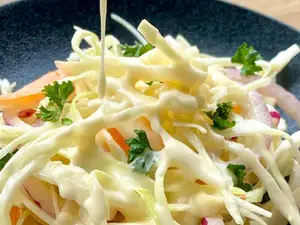
Gluten-Free Salad Dressing: Easy Formula + 5 Simple Recipes
Learn a simple formula for gluten-free salad dressing plus easy recipes you can make in minutes. No bottles needed—just fresh, safe ingredients.
Gluten Free Meal Planning
meal planning and shopping list for a typical gluten free week
Perfect Poached Eggs
Protein is an essential part of a gluten free breakfast and these perfect poached eggs can be the quick easy centerpiece


Hi, I'm Patty.
I'm a person with celiac disease, a culinary school grad, and a lifelong student of food and natural healing.
After my diagnosis in 2012, I enrolled in the Chef’s School at George Brown College and earned my Culinary Skills diploma, focusing on nutrition and cooking for special diets.
Cooking has changed my life — and helped me take back my health. Now, I’m here to help you do the same.
Let’s do this together!

Subscribe!
Get Naturally Gluten-Free Digest
Practical gluten-free tips + a featured recipe/article
delivered to your inbox.
Recent Articles


-
How to Prep Ahead, Store and Reheat Gluten-Free Sheet Pan Dinners
Aug 07, 26 01:48 PM
 Learn how to prep gluten-free sheet pan dinners ahead, store leftovers safely and reheat them without drying out. Includes practical tips and a printable guide.
 -
Sheet Pan Cooking Made Easy: Get Everything to Finish at the Same Time
Jul 22, 26 04:14 PM
 Learn how to stagger sheet pan ingredients so everything finishes together. A simple method using timing windows—not complicated minute-by-minute schedules.
 -
Sheet Pan Cook Time Chart for Proteins and Vegetables
Jul 22, 26 04:13 PM
 Compare sheet pan cook times for proteins and vegetables, timing windows and safe internal temperatures. Includes a printable cook time chart.


Popular Articles

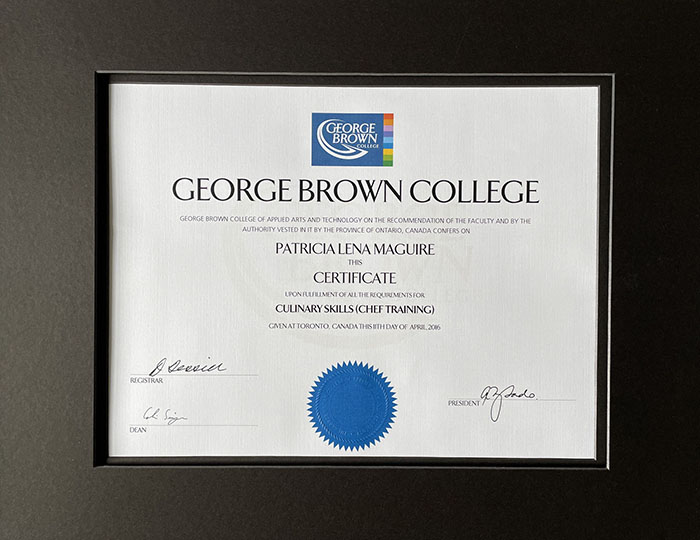
Trained in Culinary Skills with a focus on Nutrition and Healthy Eating!
Visit NGF (NaturallyGluten-Free) on Facebook at: https://www.facebook.com/naturallyglutenfree
On Substack at: Naturally Gluten-Free Digest
Patricia Maguire, copyright © 2026 naturallygluten-free.com Port Hope, Ontario, Canada. All rights reserved
Subscribe to
Naturally Gluten-Free Digest
- Feel safer and more confident eating gluten-free
- Save time and money with practical strategies
- Discover trustworthy recipes and resources without wading through misinformation
It's Free!
You won't have to remember to check back.
NGF will land in your inbox weekly.
and
As a thank-you from me you get a free
Printable Gluten-Free Food List
that you can pin to your fridge or take shopping.
I respect your privacy!
I won't use your email for anything but to send you the newsletter.