- Home
- Gluten Free Cooking
- Sheet Pan Dinner Method
Gluten-Free Sheet Pan Dinner Method: Easy One-Pan Meals Without a Recipe
One of the hardest parts of making dinner isn’t the cooking. It’s deciding what to make in the first place.
You open the refrigerator and find chicken, a few vegetables, maybe some potatoes, and suddenly you’re trying to figure out how to turn them into a meal.


That’s where sheet pan dinners shine. Instead of following a complicated recipe, you simply choose a protein, add a couple of vegetables, season everything, and let the oven do the work. Once you understand the method, you can create dozens of easy gluten-free meals from ingredients you already have on hand.
In this guide, I’ll show you how to build a gluten-free sheet pan dinner, choose ingredients that cook well together, and avoid the most common problems.
 |
Want simple guidance, trusted resources, and doable recipes delivered to your inbox once a week? |
|
On this page:
Why The Sheet Pan Method is Worth Learning
The Gluten-Free Sheet Pan Dinner Formula
How to Make Everything Finish at the Same Time
How to Ensure Your Sheet Pan Dinner is Gluten-Free
Step-by-Step Sheet Pan Dinner Method - The Recipe
6 Beginner-Friendly Sheet Pan Dinner Ideas
How to Meal Prep Sheet Pan Dinners
Common Sheet Pan Dinner Problems
Why the Sheet Pan Method is Worth Learning

I’ve been making versions of sheet pan dinners for years, long before they became trendy on social media. Some nights it is a carefully planned meal. Other nights it’s my “what needs to be used up before it goes bad?” meal. Both approaches work beautifully.
No matter what you have in your fridge or freezer in the way of protein, vegetables and starch, chances are it's sheet pan friendly. And the practical benefits stack up fast:
- You're working with one pan and one bowl, which means fewer dishes and faster cleanup.
- You're using whole, naturally gluten-free ingredients — proteins, vegetables, healthy fats, and simple seasonings — so you're not spending time decoding ingredient lists on processed foods.
- The method is endlessly adaptable, which means you can use what you already have on hand instead of running to the store for something specific.
- It’s flexible enough to be a complete one-pan weeknight meal or a colourful side for a dinner party or family gathering.
- And because everything roasts together in the oven, you're mostly hands-off while dinner cooks, which makes it genuinely family-friendly on a weeknight.
The Gluten-Free Sheet Pan Dinner Formula
The true beauty of sheet pan dinners is that no recipe is required. Once you learn this simple formula, there is nothing to look up. Sure, you may scan recipes for ideas, but you’ll instantly recognise what’s going on and have no trouble pulling your own version together with what you have and what you like.
The Printable Formula
1 Protein + 2 Vegetables + Optional Starch + Oil + Seasoning = Dinner
Save this. Screenshot it. Stick it on your fridge. This formula is all you need to make easy gluten-free sheet pan meals on any given weeknight.
Step-By-Step
Prefer to watch? This short video walks you through the complete Gluten-Free Sheet Pan Dinner Method before we break it down step by step below.
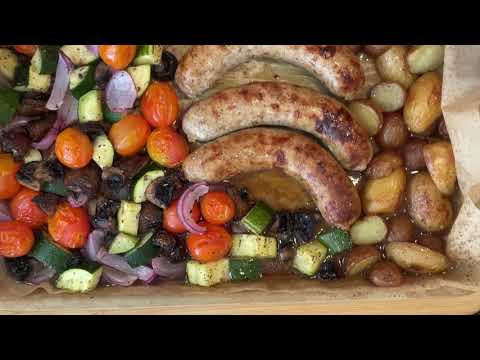
Step 1

Choose a protein – Single-serving pieces work best. Try chicken breasts, drumsticks, pork loin chops, sausages, tenderloin, shrimp, fish filets or tofu.
Step 2
Choose 1–2 vegetables – Onions and peppers are a classic and go with almost anything. They also happen to be two vegetables I almost always have on hand. For more variety try: asparagus, Brussels sprouts, broccoli, cauliflower, mushrooms, carrots, green beans or cherry tomatoes.
Step 3
Add an optional starch – If you like, you can toss some diced potato or sweet potato in oil and add it to the pan. Or for something different, try butternut squash or chunks of corn on the cob.
Pro Tip: To prevent potatoes from turning dark, place them in a bowl and toss with oil as you peel and cut.
Step 4
Choose a fat – Olive oil works well in most situations or choose a neutral cooking oil. Coconut oil, avocado oil, soybean oil or even bacon fat are great options. Butter pairs beautifully with fish, although I usually add it closer to the end of cooking or combine it with a little oil.
Step 5
Choose a seasoning profile – You can keep it simple with salt and pepper. Add garlic powder if you like. Or experiment with a French-inspired blend like Herbs de Provence or even the Italian seasoning you buy at the supermarket (check the label for gluten). A spice blend made with cumin, coriander, turmeric, and garlic is warm and aromatic.
Step 6
Roast – Set your oven to 400°F (205°C). The hot oven gives you better browning and crispier edges. Some people prefer 425°F, but I find the edges burn at that temperature. If your oven has a convection setting, use it. That circulating hot air helps your ingredients to turn brown and crispy.
Not sure which protein to choose or how to check it for doneness? My Gluten-Free Meat Cooking Guide covers the basic techniques.
Putting It All Together
Equipment
You probably already have everything you need.
- A rimmed baking sheet
- A mixing bowl
- A cutting board and a good knife for chopping
- Parchment or foil to line your pan
- An instant read thermometer.
I've provided links for your convenience. If you choose to purchase something through one of these links I may earn a small commission at no extra charge to you.
Preparation and Assembly
As simple as this method is, it helps to have everything ready before you start. This will make assembly and cooking as quick and easy as possible.
- If your protein is frozen, take it out the night before to thaw in the refrigerator. If you need to speed things up a bit, immerse it in a bowl of cold water in the fridge.
- If you are using a marinade, prep it ahead and add it to the protein an hour or two before cooking. Many meats can marinate for a full day while you’re at work.
- Line your pan with parchment or foil.
- Add a few tablespoons of oil to the mixing bowl. This is especially helpful if you’re working with potatoes.
- Slice or chop your vegetables according to cooking time. Smaller pieces cook faster – more on this below.
- Arrange your ingredients on the pan in a single layer. If they are piled up, they won’t brown as well.
- If you’re prepping the pan the night before, leave the protein off and add it just before cooking.
How to Make Everything Finish at the Same Time

Perhaps the biggest challenge of one-pan meals is that different ingredients need different cooking times. There are two ways to handle this:
- Cut slower cooking ingredients smaller
- Add faster cooking ingredients later
It doesn’t need to be complicated. Just choose the approach that suits you best. I like to cut potatoes small enough that they cook at the same speed as my meat, then add quick cooking vegetables near the end.
After you’ve made a couple of sheet pan dinners, you won't even think about this. You’ll just know that potatoes need a head start and asparagus likes to join the party near the end. Fish and shrimp generally need much less time.
Need Help Timing Your Ingredients?
Learn how to stagger ingredients on a sheet pan so everything finishes at roughly the same time—without opening the oven every few minutes.
How to Stagger Sheet Pan Ingredients

Cooking Speeds for Vegetables
Here is a good guideline for cooking speeds. Slower items need to be cut smaller or cook longer. Faster items can be larger or added later in the cooking process.
Fast
|
Medium
|
Slow
|
Fast
- zucchini
- peppers
- asparagus
- mushrooms
Medium
- broccoli
- cauliflower
- green beans
Slow
- potatoes
- sweet potatoes
- carrots
- squash
Typical Protein Cooking Times at 400°F
These times are starting points only. The thickness of the protein, whether it is bone-in, and your individual oven will all affect how quickly it cooks. Use an instant-read thermometer for meat and poultry rather than relying on time alone.
Chicken breasts: 20–30 minutes
Boneless breasts cook fastest. Very thick pieces may need longer.
Chicken thighs or drumsticks: 35–45 minutes
Bone-in pieces generally need more time than boneless chicken.
Sausages: 25–35 minutes
Turn them once during cooking so they brown evenly. Check the package to determine whether they contain poultry or pork.
Pork chops: 15–25 minutes
Thin chops cook quickly; thick, bone-in chops may need longer.
Pork tenderloin: 25–35 minutes
Roast it whole, then let it rest before slicing.
Salmon or firm fish fillets: 10–15 minutes
Add fish after slower-cooking vegetables have had a head start.
Shrimp: 8–12 minutes
Shrimp cook very quickly, so add them near the end.
Firm tofu: 25–35 minutes
Press out excess moisture first and turn the pieces halfway through for better browning.
For safety, poultry should reach 165°F (74°C). Whole cuts of beef and pork should reach at least 145°F (63°C) followed by a three-minute rest, while ground-meat sausages should reach 160°F (71°C). Fish is safely cooked at 145°F (63°C)under USDA guidance.
The goal isn’t to memorize every cooking time. Start with the ingredients that take longest, add the quick-cooking ones later, and check the protein before serving. After a few sheet pan dinners, the timing starts to feel quite natural.
Need a Quick Cook-Time Reference?
Not sure how long your chicken, salmon, potatoes or broccoli will take? My Sheet Pan Cook Time Chart for Proteins and Vegetables gives you approximate roasting times, safe internal temperatures and five easy timing windows—all in one place.

How to Ensure Your Sheet Pan Dinner is Gluten-Free
So far, the ingredients we’ve discussed have been mostly naturally gluten-free. Meat, vegetables and starches like potatoes, sweet potatoes or squash are all safe in their natural form. The things we add to them — sauces, seasonings, marinades — and the surfaces we cook them on are where we need to pay attention.
Gluten-Free Sauces and Seasonings for Sheet Pan Dinners
My number one rule is – if it has a label, read it. However, there are some higher and lower risk items.
For guidance on purchasing bottled sauces and condiments read my Guide to Buying Gluten-Free Sauces
Usually safe – Low Risk
- Olive oil, avocado oil, or any plain cooking oil
- Fresh garlic or garlic powder (single ingredient)
- Fresh herbs or dried herbs (single ingredient)
- Lemon juice or lemon zest
- Salt and black pepper
- Pure spices like cumin, paprika, oregano, or tumrmeric (single ingredient only)
Higher Risk – Check Labels Carefully
These items are sometimes gluten-free and sometimes not, depending on the brand and the formulation:
- Soy sauce — traditional soy sauce contains wheat; look for a gluten-free version, or coconut aminos as a swap.
- Teriyaki sauce — most contain soy sauce; look for certified gluten-free versions.
- BBQ sauce — many brands are gluten-free, but some contain malt vinegar or other gluten sources.
- Seasoning blends and spice mixes — ingredients vary by brand, so check the label for wheat, barley, rye, malt, and gluten-free labelling.
- Worcestershire sauce — some brands contain malt vinegar; look for gluten-free labeled versions
- Salad dressings make great sauces and marinades — most are gluten-free but check every label to be sure.
For more on finding the right gluten-free ingredient for your recipe, my Gluten-Free Recipe Substitutions Guide can help.

Should You Line Your Sheet Pan?
I recommend it, mostly to simplify clean-up, but also to avoid gluten cross-contact.
Sheet pans are difficult to get completely clean. I’ve never seen a study about cross-contact risk from a sheet pan and I suspect the risk is low, but lining the pan gives me peace of mind and makes cleanup much easier.
Step-by-Step Sheet Pan Dinner Method

Gluten-Free Sheet Pan Dinner Method
By Patty Maguire – Naturally Gluten Free,

This gluten-free sheet pan dinner method uses a simple formula: 1 protein, 2 vegetables, an optional starch, oil, and seasoning. Once you understand the method, you can build easy one-pan meals from ingredients you already have on hand.
Prep Time: 15 minutes
Cook Time: up to 45 minutes
Yield: 2 to 4 servings
Tags: Gluten Free
Equipment
- Rimmed baking sheet
- Optional parchment paper or foil for lining the pan
- Large mixing bowl
- Meat thermometer
The Formula
1 Protein + 2 Vegetables + Optional Starch + Oil + Seasoning = Dinner
Ingredients
- 1 protein, such as chicken, sausage, fish, shrimp, pork tenderloin, or tofu
- 2 vegetables, such as broccoli, carrots, peppers, onions, asparagus, zucchini, mushrooms, cauliflower, or green beans
- Optional starch, such as potatoes, sweet potatoes, squash, or corn
- 2 to 3 tablespoons olive oil or another cooking oil
- Salt and pepper
- Optional gluten-free seasonings, herbs, spice blends, sauce, or marinade
Instructions
- Preheat your oven to 400°F (204°C) and line your pan with parchment or foil if desired.
- Prep the ingredients. Wash and cut the vegetables, keeping cooking times in mind. If necessary, cut the protein into serving-sized portions and dry it with paper towels to help with browning.
- Toss the vegetables with oil and seasoning.
- Arrange everything on the pan in a single layer. Crowding will prevent the ingredients from browning. Season the protein on both sides and brush with oil.
- Place the pan in the oven. Set the timer for a few minutes before the expected done time.
- Check for doneness by piercing the vegetables with a knife to make sure they are tender. Test meat with an instant-read thermometer.
- Serve immediately.
Note: If you are staggering ingredients, add slower-cooking ingredients first. Roast for about 20 minutes, then add the remaining ingredients.
6 Beginner-Friendly Sheet Pan Dinner Ideas
You don’t need to memorize dozens of combinations. Once you understand the formula, you can mix and match ingredients based on what you already have. Here are a few simple ideas to get you started.
Chicken Dinner

Protein: Chicken breasts
Vegetables: Broccoli + carrots
Optional starch: Baby potatoes
Flavor profile: Lemon, garlic, and thyme
Sausage Dinner
Protein: Sausage
Vegetables: Peppers + onions
Optional starch: None
Flavor profile: Italian seasoning
Salmon Dinner
Protein: Salmon
Vegetables: Asparagus + tomatoes
Optional starch: Baby potatoes
Flavor profile: Lemon + dill
Shrimp Dinner
Protein: Shrimp
Vegetables: Zucchini + peppers
Optional starch: Rice on the side
Flavor profile: Garlic and paprika
Pork Dinner
Protein: Pork tenderloin
Vegetables: Green beans + carrots
Optional starch: Sweet potato
Flavor profile: Rosemary and garlic
Tofu Dinner
Protein: Tofu
Vegetables: Broccoli + cauliflower
Optional starch: None
Flavor profile: Ginger and gluten-free soy sauce
How to Meal Prep Sheet Pan Dinners
The one challenge with the sheet pan method is that the chopping is a little time consuming. I personally enjoy it – I find chopping vegetables to be kind of Zen. But when it’s 6:15 and you need to get a meal on the table, you’re not looking for Zen.
The beauty of sheet pans is that they are perfect for meal prepping. If everything is ready to go when you get home, then the sheet pan becomes a quick meal solution. Here are a few sheet pan meal planning tips:
- Chop your vegetables ahead of time. You can do this the night before or prep two or three days' worth on Sunday.
- Use frozen or pre-cut vegetables – this takes the chopping right off the table.
- Make marinades and seasoning blends ahead. I save spice bottles and use them for homemade blends like taco seasoning or Herbs de Provence.
- Assemble the pan the night before – keep the protein separate then add it to the pan when it’s ready to go in the oven.
Want to Get Dinner Started Ahead of Time?
You don’t have for all the chopping on Tuesday after work. My Make-Ahead Guide for Gluten-Free Sheet Pan Dinners shows you what you can chop, thaw, marinate and arrange ahead, plus how to store, reheat and turn leftovers into new meals.

Common Sheet Pan Dinner Problems
As simple and nearly foolproof as sheet pan dinners are, there are a few common challenges that are easily fixed. Here are a few examples:
Food Isn’t Browning or the Vegetables Are Soggy
Moisture, crowding, and low heat are the usual causes. Dry the ingredients well, toss the vegetables with oil, spread everything in one layer, and roast at 400°F. If the pan is crowded, use two pans.
Pan is overcrowded
It can happen. You’ve prepared everything you think you need for your sheet pan meal and when you put them on the pan, there is too much. To fix this, simply use two pans and enjoy the leftovers.
Potatoes aren’t cooked
Potatoes take a little longer to cook than most other ingredients. Either cut them smaller, or start them about 15 minutes before everything else.
Chicken is dry
Dry chicken is almost always overcooked chicken. Test your meat with an instant read thermometer. Chicken should be cooked to 165°F.
Dinner tastes bland
This means you didn’t season enough. Any time a dish tastes bland, it likely needs more salt or a little acid. Try lemon juice, lime juice or a splash of balsamic or apple cider vinegar.
What to Serve with Sheet Pan Dinners
The thing I love most about this sheet pan technique (besides the ability to avoid gluten) is that it creates a one-pan meal. You don’t need anything else. Of course, you can choose to make part of your meal on the sheet pan and serve it with something you’ve cooked on the stove, or not cooked at all. Here are a few of my favorites.
Sheet Pan as a Side

Sometimes I cook a rainbow of vegetables on my sheet pan then serve them with a roast beef or roast chicken dinner.
Sheet Pan with Soup or Salad on the Side
I love to make tummy-warming homemade gluten-free soups, then pair them with simple a one-pan meal I’ve made in the oven. Or, it can be fun to try different salads, and make your own gluten-free salad dressing. It’s easier than you might think, and you control the ingredients.
Sheet Pan with Rice or Pasta
This is another favorite for me. I like to make the protein and the veggies on the sheet pan and leave out the starch. Then cook up my favorite pasta or rice dish to go with it. You’ll have a little time while your sheet pan is in the oven. Try these ideas:
Gluten-Free Fettuccine Alfredo
Frequently Asked Questions
What’s the simplest sheet pan formula?
What’s the simplest sheet pan formula?
Choose 1 protein, 2 vegetables, an optional starch, a little oil, and a seasoning blend. Roast at 400°F until the protein is cooked and the vegetables are tender.
What oven temperature works best?
What oven temperature works best?
400°F (205°C). It’s hot enough to brown vegetables and crisp edges without burning most ingredients.
How do I stop vegetables from turning soggy?
How do I stop vegetables from turning soggy?
Dry them thoroughly, toss them with oil, avoid overcrowding the pan, and roast in a hot oven.
How do I keep chicken from drying out?
How do I keep chicken from drying out?
Pat it dry, brush it with oil, and use an instant-read thermometer. Chicken is done at 165°F. Overcooking chicken will dry it out.
Can I cook frozen vegetables?
Can I cook frozen vegetables?
Yes. Cook frozen vegetables straight from frozen rather than thawing them first. Toss them with oil, spread them out well, and expect them to release more moisture than fresh vegetables. They may need a little extra time or a separate pan.
Do I need to preheat the sheet pan?
Do I need to preheat the sheet pan?
No. A hot oven is more important than a hot pan.
Should I use parchment or foil?
Should I use parchment or foil?
ither works. I prefer parchment because cleanup is easy and food is less likely to stick. If the pan has been used for gluten-containing food, a fresh liner also provides an added barrier against cross-contact.
How much space should I leave?
How much space should I leave?
Leave a little room between pieces so hot air can circulate. If ingredients are touching too much, they’ll steam instead of roast.
When should I add quick-cooking vegetables?
When should I add quick-cooking vegetables?
During the last 10 to 15 minutes. Zucchini, asparagus, and tomatoes cook very quickly.
Can I cook fish and vegetables together?
Can I cook fish and vegetables together?
Absolutely. Just choose vegetables that cook at a similar speed or give slower vegetables a head start.
How do I know when chicken is done?
How do I know when chicken is done?
Use an instant-read thermometer. Chicken is safely cooked at 165°F.
What’s the easiest sauce?
What’s the easiest sauce?
Olive oil, lemon juice, garlic, and herbs.
Are spice blends usually gluten-free?
Are spice blends usually gluten-free?
Sometimes. Read every label and look for gluten-free labeling whenever possible.
How do I make gluten-free sheet pan dinners safer in a shared kitchen?
How do I make gluten-free sheet pan dinners safer in a shared kitchen?
Line the pan with fresh parchment or foil, use clean utensils and a clean cutting board, and keep gluten-containing ingredients away from the preparation area.
Can I meal prep sheet pan dinners?
Can I meal prep sheet pan dinners?
Yes. Chop vegetables and prepare proteins ahead of time. Reheat leftovers in a 350°F oven to help preserve texture.
|
|
Want simple guidance, trusted resources, and doable recipes delivered to your inbox once a week? |
|

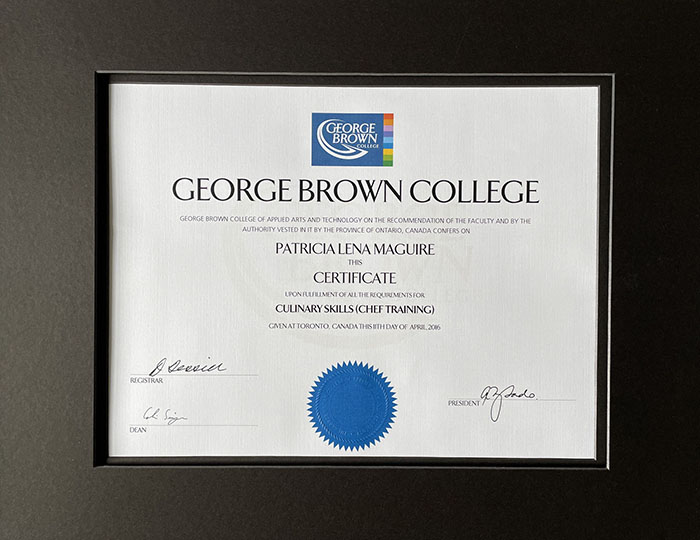
Patty Maguire is a George Brown College culinary graduate whose training focused on nutrition and cooking for special diets.
Since her celiac diagnosis in 2012, she has shared a practical, whole-food approach to naturally gluten-free living that helps readers cook with confidence, eat out safely, travel well, and live fully.
Rooted in farm-family values and simple home cooking, her work has been recognised by Feedspot’s top 10 Canadian gluten-free blogs list.
You might like these
Gluten-Free Salad Dressing: Easy Formula + 5 Simple Recipes
Learn a simple formula for gluten-free salad dressing plus easy recipes you can make in minutes. No bottles needed—just fresh, safe ingredients.
Gluten Free Meal Planning
meal planning and shopping list for a typical gluten free week
Perfect Poached Eggs
Protein is an essential part of a gluten free breakfast and these perfect poached eggs can be the quick easy centerpiece


Hi, I'm Patty.
I'm a person with celiac disease, a culinary school grad, and a lifelong student of food and natural healing.
After my diagnosis in 2012, I enrolled in the Chef’s School at George Brown College and earned my Culinary Skills diploma, focusing on nutrition and cooking for special diets.
Cooking has changed my life — and helped me take back my health. Now, I’m here to help you do the same.
Let’s do this together!

Subscribe!
Get Naturally Gluten-Free Digest
Practical gluten-free tips + a featured recipe/article
delivered to your inbox.
Recent Articles


-
How to Prep Ahead, Store and Reheat Gluten-Free Sheet Pan Dinners
Aug 07, 26 01:48 PM
 Learn how to prep gluten-free sheet pan dinners ahead, store leftovers safely and reheat them without drying out. Includes practical tips and a printable guide.
 -
Sheet Pan Cooking Made Easy: Get Everything to Finish at the Same Time
Jul 22, 26 04:14 PM
 Learn how to stagger sheet pan ingredients so everything finishes together. A simple method using timing windows—not complicated minute-by-minute schedules.
 -
Sheet Pan Cook Time Chart for Proteins and Vegetables
Jul 22, 26 04:13 PM
 Compare sheet pan cook times for proteins and vegetables, timing windows and safe internal temperatures. Includes a printable cook time chart.


Popular Articles


Trained in Culinary Skills with a focus on Nutrition and Healthy Eating!
Visit NGF (NaturallyGluten-Free) on Facebook at: https://www.facebook.com/naturallyglutenfree
On Substack at: Naturally Gluten-Free Digest
Patricia Maguire, copyright © 2026 naturallygluten-free.com Port Hope, Ontario, Canada. All rights reserved
Subscribe to
Naturally Gluten-Free Digest
- Feel safer and more confident eating gluten-free
- Save time and money with practical strategies
- Discover trustworthy recipes and resources without wading through misinformation
It's Free!
You won't have to remember to check back.
NGF will land in your inbox weekly.
and
As a thank-you from me you get a free
Printable Gluten-Free Food List
that you can pin to your fridge or take shopping.
I respect your privacy!
I won't use your email for anything but to send you the newsletter.