- Home
- Gluten Free Cooking
- Sheet Pan Dinner Method
- Staggering Ingredients
Sheet Pan Cooking Made Easy: Get Everything to Finish at the Same Time
Your chicken is perfect – but the potatoes aren’t cooked and the broccoli is burnt! What happened?


One of the biggest challenges with sheet pan cooking is figuring out how to stagger ingredients so everything finishes at the same time. Fortunately, you don’t need a stopwatch or a complicated schedule – and you don’t need to keep opening and closing the oven door.
On This Page:
The Problem with Individual Cooking Times
See the Method in Action - Video
The Problem with Individual Cooking Times
If you look up individual cooking times for your ingredients, you might end up with something like this:
- Bell peppers 15 – 20 minutes
- Broccoli 20 – 25 minutes
- Large chicken breast 25 – 35 minutes
- Potatoes 45 – 50 minutes
And you’d be understandably overwhelmed. Do you have to open your oven 4 times to add 4 different ingredients?
Even if you did, it probably wouldn’t work. Every time you open the oven, heat escapes and the temperature drops. Suddenly those carefully planned timings aren’t quite so precise.
 |
Want simple guidance, trusted resources, and doable recipes delivered to your inbox once a week? |
|
How to Think About Timing
Cook times in most recipes are guidelines, not hard and fast rules. That’s because actual cooking times vary depending on your oven, the pan you’re using, the size of the food and how often you open the oven door.
For this reason, I prefer to think in terms of timing windows.
Cooking Speeds for Vegetables and Protein
These timing windows are a good starting point, but they’re just that—guidelines.

Very Fast – 10 to 15 minutes
- asparagus
- shrimp
- small fish fillets
Fast – 15 to 20 minutes
- zucchini
- peppers
- mushrooms
- onion
Moderate – 20 to 25 minutes
- broccoli
- cauliflower
- green beans
- cherry tomatoes
Slow – 25 to 35 minutes
- chicken breasts
- sausages
- pork tenderloin
- tofu
Very Slow – 45 to 50 minutes
- potatoes
- carrots
- squash
- chicken legs
The trick to timing is to realize you can move ingredients between timing windows by adjusting a) the oven temperature or b) the size of your cuts.
Why I Don’t Cook by the Minute
It might sound logical to add ingredients every few minutes, but every time you open the oven you lose precious heat. Your potatoes stop roasting, your oven has to recover, and those carefully planned timings begin to drift.
I find it much easier—and more reliable—to use one planned addition halfway through cooking.
Plan Your Meal in Reverse
This is how I stagger ingredients on a sheet pan without turning dinner into a math problem.
Once you understand the concept of cooking windows and adjusting those windows with the size of your cuts, plan the timing of ingredients in reverse – longer cooking items go in first, quicker cooking items last.
Longest ingredient(s) → Everything else → Dinner
My Two-Step Method

I’ve made many sheet pan dinners, and I rarely open the oven more than once to add ingredients. It’s not because I settle for undercooked or overcooked food, it’s because I’ve learned how to influence those cooking time windows. All you need is to understand the three factors that affect the doneness of your food:
- Oven temperature – higher temperatures cook faster but may burn your food.
- Density of the ingredient – potatoes and carrots take longer than onions and peppers.
- Size of the pieces – smaller pieces cook faster.
This means a dense item like potatoes can either be cut smaller or given a head start.
In practice, the meal with potatoes, chicken breasts, broccoli, peppers and onions will look like this:
Keep the oven temperature constant at 400°F
- Step 1: Cut the potatoes into small 1-inch cubes. They can go with the chicken breasts for about 20 minutes.
- Step 2: Cut the broccoli florets small, dice the peppers into 1” squares and leave the onion in larger chunks – they can all go in at the second stage for another 15 to 20 minutes.
Remember to add oil, season generously, and don’t crowd the pan. Use an instant-read thermometer to test your protein. Everything is done at roughly the same time, and you only opened the oven once.
When I Actually Add Ingredients Later
Although I usually only open the oven once, there are a few exceptions. I break my own rule for:
- shrimp
- small fish fillets
- thin asparagus spears
These items cook very quickly, usually 10 to 15 minutes. To avoid dried-out fish or overly crispy asparagus, I will open the oven and slide those in at the end.
See the Method in Action
Sometimes it’s easier to see the method than read about it. In this short video, I walk through one of my favourite sheet pan combinations and explain how I time the ingredients so everything finishes together.

Apply the Method – A Few Examples
Here are two different sample sheet pan meals. Before you look at my answers, I’d like you to think about how you would plan each of these meals, in two stages:
- Chicken legs, potatoes, carrots, onion, broccoli, peppers
- Sausages, baby potatoes, zucchini, mushrooms, cherry tomatoes, onion
How I Would Plan the Two Sample Meals
Here is how I would do it. Your answer may be different and that’s okay.
As long as you’re thinking about the three factors that affect cooking time—oven temperature, food density and piece size—you’ll probably do fine.
Example 1: Chicken legs, potatoes, carrots, onion, broccoli, peppers
Chicken legs, carrots and potatoes are in the slowest cooking bucket so I would:
- cut the potatoes into pieces about 1½ to 2 inches across
- cut the carrots into sticks
- start them with the chicken legs and roast everything for about 30 minutes
Onion and peppers are in the “fast” bucket and broccoli is moderate, so I would:
- cut the broccoli florets quite small
- leaver the onions and peppers a little larger
- add all three together for the last 15 minutes
Example 2: Sausages, baby potatoes, zucchini, mushrooms, cherry tomatoes, onion
This is the example I demonstrated in my video on the Gluten-Free Sheet Pan Cooking Method page.
- Sausages are slow and baby potatoes are slowest, so I halved the potatoes and started them with the sausages for 25 minutes.
- The rest of the veggies are in the fast and moderate buckets, so I added them all together and roasted for another 20 minutes.
“Relax, it’s just dinner”
That’s my favorite quote from Molly Stevens cookbook, All About Dinner. Don’t worry if one ingredient finishes a few minutes before the others. Chicken can rest while the vegetables finish roasting, and most vegetables are forgiving. The goal isn’t perfect timing every time. It’s getting a good meal on the table without making life more complicated.
When a Second Pan Makes More Sense
Rules, rules, rules! How often do we sacrifice common sense for what we think we’re supposed to do? Sheet pan cooking is all about everything on one pan, right?
Sure, one pan makes for easy cleanup, but there are times when it’s just not practical. Add another pan if:
- The timing is too complicated
- You want very large or very small pieces for a specific presentation
- You have too many vegetables to fit on one pan without crowding
Troubleshooting
My potatoes are still hard
Your potatoes probably needed a little more time. Next time, either cut them into smaller pieces or give them a longer head start before adding the other ingredients.
My vegetables are overcooked
Try cutting slower vegetables a little smaller so they can cook alongside the protein, and leave faster vegetables in larger pieces. If you’re using asparagus or quick cooking proteins like shrimp or a thin fish fillet, they’re usually better added near the end.
My protein finished before the vegetables
Don’t panic. Simply remove the protein from the pan, cover it loosely with foil and let the vegetables finish cooking. Most meats benefit from a few minutes of resting anyway.
My vegetables didn’t brown
The pan was probably too crowded. Spread everything into a single layer with a little space between the pieces. If necessary, use two sheet pans instead of one.
|
|
Want simple guidance, trusted resources, and doable recipes delivered to your inbox once a week? |
|

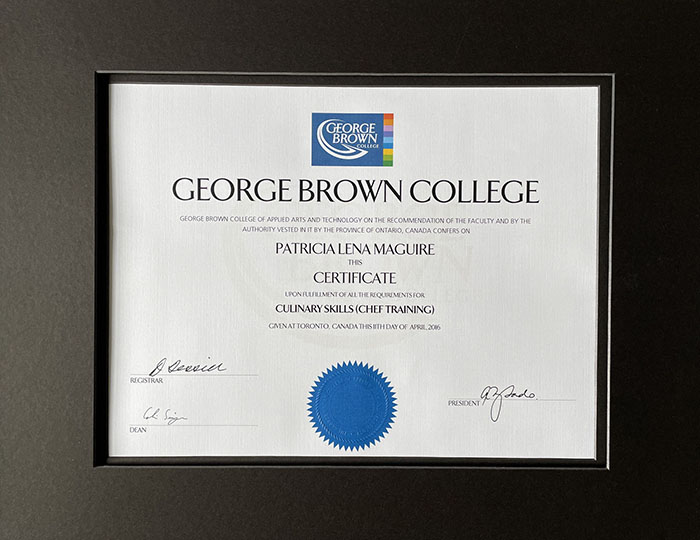
Patty Maguire is a George Brown College culinary graduate whose training focused on nutrition and cooking for special diets.
Since her celiac diagnosis in 2012, she has shared a practical, whole-food approach to naturally gluten-free living that helps readers cook with confidence, eat out safely, travel well, and live fully.
Rooted in farm-family values and simple home cooking, her work has been recognised by Feedspot’s top 10 Canadian gluten-free blogs list.
You might like these
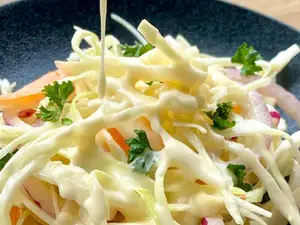
Gluten-Free Salad Dressing: Easy Formula + 5 Simple Recipes
Learn a simple formula for gluten-free salad dressing plus easy recipes you can make in minutes. No bottles needed—just fresh, safe ingredients.
Gluten Free Meal Planning
meal planning and shopping list for a typical gluten free week
Perfect Poached Eggs
Protein is an essential part of a gluten free breakfast and these perfect poached eggs can be the quick easy centerpiece


Hi, I'm Patty.
I'm a person with celiac disease, a culinary school grad, and a lifelong student of food and natural healing.
After my diagnosis in 2012, I enrolled in the Chef’s School at George Brown College and earned my Culinary Skills diploma, focusing on nutrition and cooking for special diets.
Cooking has changed my life — and helped me take back my health. Now, I’m here to help you do the same.
Let’s do this together!

Subscribe!
Get Naturally Gluten-Free Digest
Practical gluten-free tips + a featured recipe/article
delivered to your inbox.
Recent Articles


-
How to Prep Ahead, Store and Reheat Gluten-Free Sheet Pan Dinners
Aug 07, 26 01:48 PM
 Learn how to prep gluten-free sheet pan dinners ahead, store leftovers safely and reheat them without drying out. Includes practical tips and a printable guide.
 -
Sheet Pan Cooking Made Easy: Get Everything to Finish at the Same Time
Jul 22, 26 04:14 PM
 Learn how to stagger sheet pan ingredients so everything finishes together. A simple method using timing windows—not complicated minute-by-minute schedules.
 -
Sheet Pan Cook Time Chart for Proteins and Vegetables
Jul 22, 26 04:13 PM
 Compare sheet pan cook times for proteins and vegetables, timing windows and safe internal temperatures. Includes a printable cook time chart.


Popular Articles


Trained in Culinary Skills with a focus on Nutrition and Healthy Eating!
Visit NGF (NaturallyGluten-Free) on Facebook at: https://www.facebook.com/naturallyglutenfree
On Substack at: Naturally Gluten-Free Digest
Patricia Maguire, copyright © 2026 naturallygluten-free.com Port Hope, Ontario, Canada. All rights reserved
Subscribe to
Naturally Gluten-Free Digest
- Feel safer and more confident eating gluten-free
- Save time and money with practical strategies
- Discover trustworthy recipes and resources without wading through misinformation
It's Free!
You won't have to remember to check back.
NGF will land in your inbox weekly.
and
As a thank-you from me you get a free
Printable Gluten-Free Food List
that you can pin to your fridge or take shopping.
I respect your privacy!
I won't use your email for anything but to send you the newsletter.