- Home
- Gluten Free Cooking
- Sheet Pan Dinner Method
- Prep Ahead
How to Prep Ahead, Store and Reheat Gluten-Free Sheet Pan Dinners
Meal prep can mean different things to different people.
For some, it’s a Sunday spent cooking and portioning out individual meals for the week ahead. For others, it can mean washing and chopping veggies, marinating meats or preparing a complete sheet pan so you can slide it in the oven the next day.
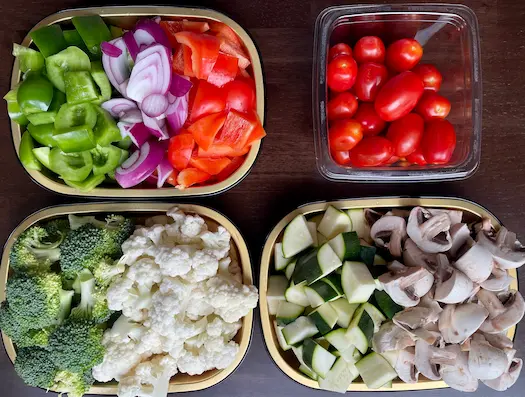
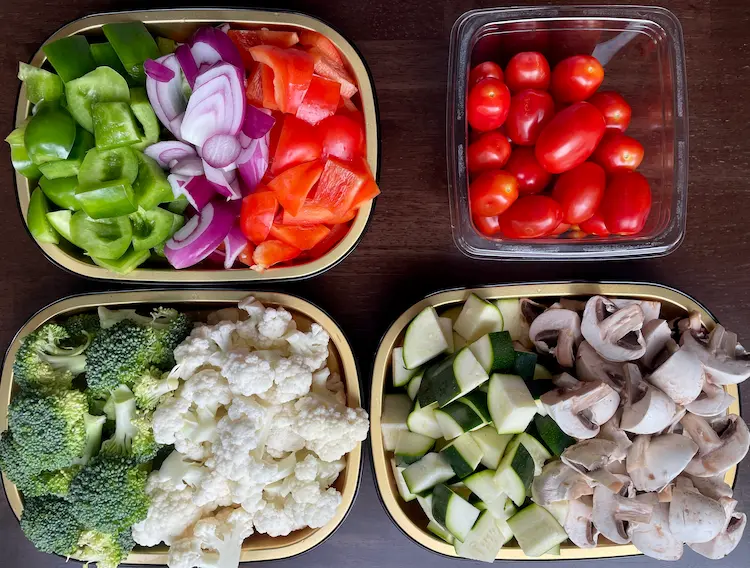
I tend to fall into the second camp. I like to have a few components of my meal made ahead to simplify cooking when the time comes, but I prefer the flexibility of deciding exactly what to make a little closer to mealtime. What I plan on Sunday may not be what I feel like eating on Friday.
 |
Want simple guidance, trusted resources, and doable recipes delivered to your inbox once a week? |
|
Why Meal Prep for Sheet Pans?
Sheet pan meals are great for busy schedules because they practically cook themselves in the oven, and they simplify clean-up. The only real downside is that the prep is a little time-consuming. Chopping vegetables and marinating meats can take more time than the actual cooking.
Simplifying busy weekdays – You may not have time for all the chopping Tuesday after work, but having the veggies prepped and the meat thawed, you’re less than an hour from dinner when you walk in the door.
Entertaining – This may be a less obvious advantage of meal prep, but it’s a huge time saver. If we’re having guests, I’ll often do two or even three sheet pans. One colourful rainbow veggie pan made ahead completely, a second with marinated chicken breasts or seasoned pork tenderloin, and a third with baby potatoes tossed in oil, garlic and rosemary.
Holidays – Even if you love cooking, nothing takes the joy out of the holiday meals more than sore feet and an aching back from standing and cooking all day while everyone else socializes. Having even one or two components of your meal made ahead on sheet pans simplifies your task on the day so you can enjoy your family too.
Leftovers – Making double or even triple portions (you may need more than one pan) means your meals for the next few days are easy. Sure you can make up plates for the microwave, or you can use your leftovers to make a completely new meal.
|
The true beauty of sheet pan dinners is that no recipe is required. Once you learn the simple formula, there is nothing to look up. Learn my simple Six Step Gluten-Free Sheet Pan Dinner Method. |
 |
What Can You Make Ahead?
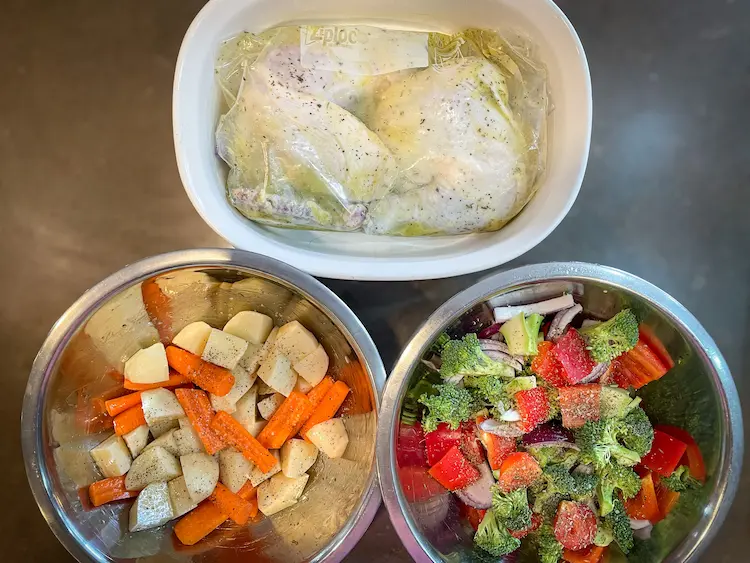
The obvious time saver is to get the washing and chopping out of the way:
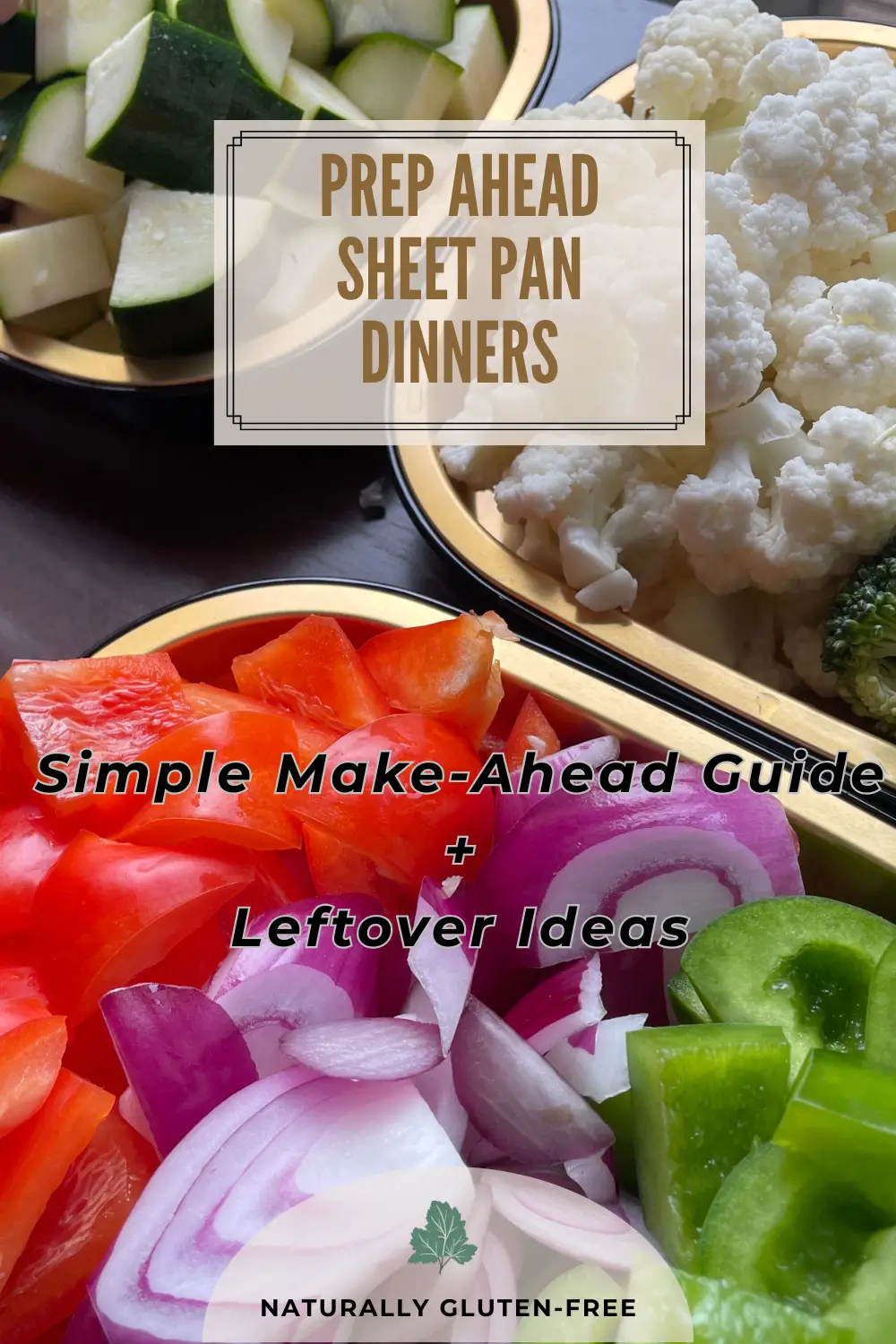
Vegetables like peppers, zucchini, carrots, broccoli, cauliflower, and mushrooms can be washed, peeled, chopped, and even arranged on the pan in advance. Keep cooking times in mind as some items take longer than others so you may need to cut those smaller or store them separately to be added to the pan part way through cooking.
|
Your chicken is perfect – but the potatoes aren’t cooked and the broccoli is burnt! What happened? Learn how to stagger ingredients on a sheet pan so everything finishes at the same time. |
 |
Proteins can be thawed a day or two before you plan to cook them.
Some meats like beef and lamb can start marinating a day ahead.
Chicken takes less time, but you can make your marinade in advance and add the chicken in the morning.
Potatoes tend to darken once they are peeled and cut, and if stored raw in the fridge, their flavor and texture may be affected. This makes them a less ideal candidate to make ahead. You can prep and coat in oil or store in water a few hours ahead.
To simplify potato prep for sheet pans, opt for baby potatoes that can be cooked whole or halved and get them ready just before cooking.
When to Cook Ahead
Fresh meats should be cooked soon after thawing. Ground meat, fish, seafood and poultry can be kept in the fridge for one or two days. Whole cuts of beef, pork and lamb will keep for 3 to 5 days. If you’re prepping your sheet pan further ahead than this, then cook your meat.
As I mentioned, potatoes don’t store well raw once they are cut and peeled. Either opt for whole baby potatoes, or partially cook your potatoes in advance, then you can store them in the fridge.
Grains like rice, quinoa, sorghum etc. are not suitable for your sheet pan. You can cook them in advance, or the day of your meal while your sheet pan is in the oven.
Best Cooked Fresh
Shrimp and fish can be seasoned and prepared a day ahead but are best cooked fresh.
How to Store Your Prepped Sheet Pan Ingredients:
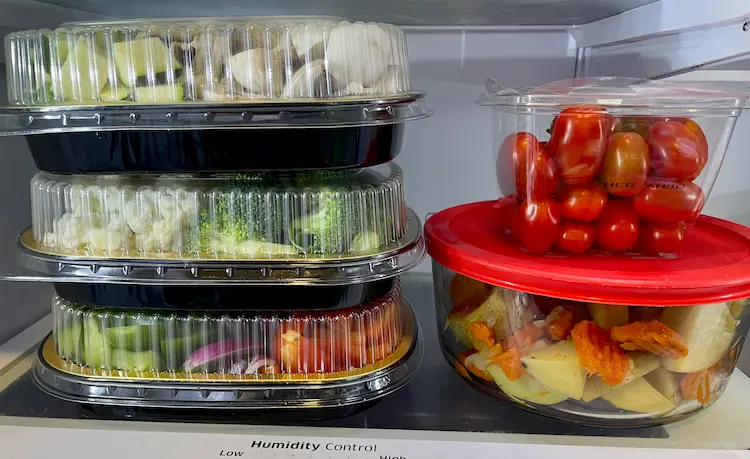
Containers with lids work well, or you can store your prepped ingredients in the fridge in Ziploc bags. I especially like marinating meats in Ziploc bags.
Vegetables with similar cooking times can be stored together. Best not to season until cooking time since salt can bring moisture to the surface, drying out your vegetables and interfering with browning.
If you make up your sheet pan in advance, cover it with plastic wrap.
Meats are best stored separately from vegetables to prevent contamination, so don’t include them on a made-ahead sheet pan. Store them in a separate container and add to the pan just before cooking.
Sauces and toppings should also be stored separately.
Reheating Without Drying Out
 |
 |
Reheating leftovers, including sheet pan leftovers can be a bit tricky.
Microwave
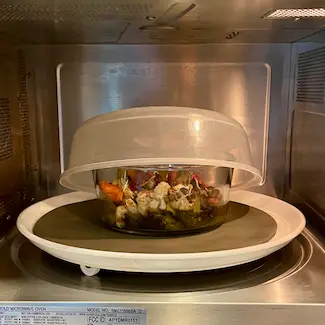
You can make up a plate and heat it up in the microwave. This is the simplest and quickest way. Cover the plate with a microwave cover or another plate to keep steam inside and use the reheat setting on your microwave.
The problem with reheating in the microwave is that sliced meats will often overcook and dry out, and crispy vegetables will go soggy. You can solve the drying out issue by adding the meat near the end and just give it 30 to 45 seconds – enough to take the chill off. You can also add sauce or broth to give it a little extra moisture.
Oven
Reheating in the oven takes more time, but you might like the result better than the microwave. The oven tends to revive some of the crispness where the microwave can make some items rubbery.
Set the oven to 350°F. Put your food in an oven-safe dish and cover it tightly. You may want to add a little water or sauce to keep it from drying out. Warm it in the oven for 15 to 25 minutes. If you want it to crisp up a bit, remove the cover for the last five minutes.
Air Fryer
The air fryer is especially great for reheating crispy items like roasted potatoes or other roasted vegetables. Place the food in the air fryer with enough space in between to allow air circulation and heat for 3 to 6 minutes.
Skillet
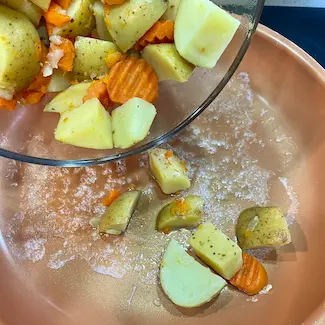
A skillet on the stove is my favorite way to reheat potatoes. Heat a little oil or butter on medium and add your potatoes or other crispy item. Keep the lid off and turn your food a few times to heat all sides. Other items can be heated on the stovetop too. A little water or sauce will give it some moisture, and a lid will keep the steam in. Consider two pans if you have ingredients that you’d like crispy and others that need to retain moisture.
Reheating Precooked Sheet Pan Ingredients
I mentioned above that potatoes and some proteins don’t keep well in the fridge. If you are prepping those in advance for your sheet pan, you’ll need to precook them.
Potatoes can be “par-cooked.” This means cooking them partially in advance then finishing them up with the other vegetables on your sheet pan. Par-cooking can be done in the microwave, but I prefer to do it in boiling water on the stove. Cut your potatoes into bite-sized pieces, add water and cook them until they become slightly tender on the outside but still not cooked through. You can then store them in the fridge for a few days.
Ground meat (like meatballs) can be cooked in advance and stored in the fridge or freezer. Unlike potatoes, you want to cook your meat fully. Add the thawed meatballs to your sheet pan with the vegetables. They just need to heat through as they are already cooked.
Cook Once, Eat Twice – Making Leftovers Interesting
 |
 |
 |
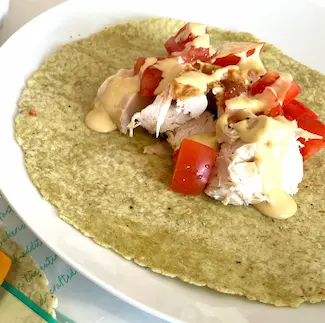 |
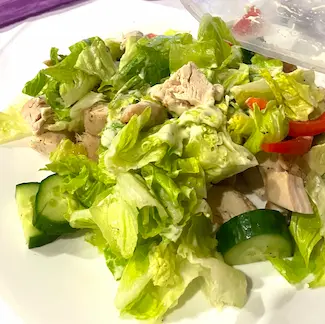
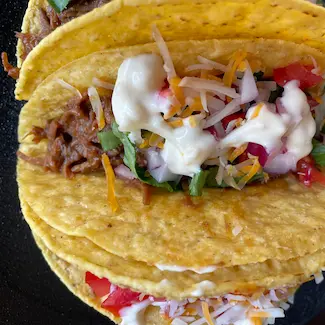
I LOVE leftovers. Not because I’m enamoured by eating the same microwaved meal day after day, but because precooked food can become ingredients for so many other dishes.
For example: Sunday’s sheet pan chicken breast with potatoes, and veggies can become chicken fried rice on Monday, chicken soup on Tuesday and chicken Caesar salad on Wednesday.
You could also make:
- Chicken stir fry served over rice
- Pizza with chicken and vegetables as toppings
- Pasta sauce with chicken and vegetables added
- Frittata – heat the leftovers on the stove, add eggs and finish the whole thing off in the oven.
Your turn – what would you make with the leftovers from a sausage sheet pan?
Make-Ahead for Holidays and Entertaining
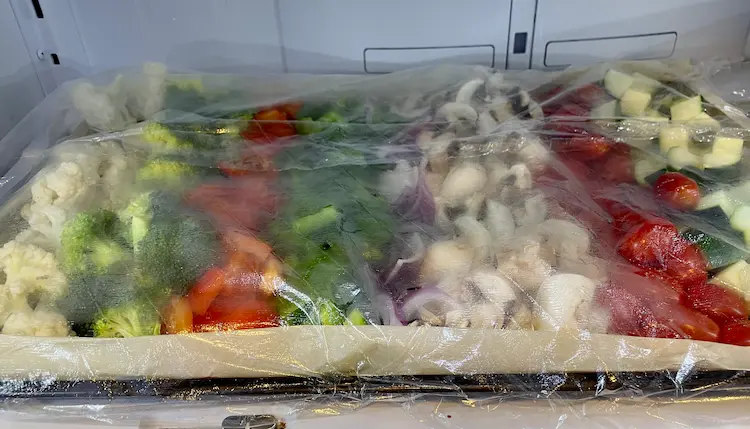
If you’re having friends over for dinner, or hosting a holiday meal, prepping a couple of sheet pans ahead will save time and reduce stress.
I’ll often make two or even three pans. One colorful rainbow veggie, one with seasoned potatoes and one with a protein, like chicken, pork loin chops or salmon.
For the holiday meal I’ll do a ham, turkey or roast beef, often with mashed potatoes. But the other veggies are done on a sheet pan that I’ve made up the day before. I can pop it in the oven while I’m making the gravy and mashing the potatoes.
Make-Ahead Planning Guide
This at-a-glance guide will help you decide which steps you can do in advance and how to safely store your ingredients plus how to reheat and use leftovers. Feel free to print it off and slip it into a drawer for quick reference.
Preparation and Storage
Chicken breasts or thighs
Prep ahead: Thaw, season or marinate up to 1 day ahead. Cook if preparing further ahead.
Storage: Store separately from vegetables in a covered container or resealable bag.
Pork tenderloin or pork chops
Prep ahead: Thaw, season or marinate up to 1 day ahead. Cook if preparing further ahead.
Storage: Store separately from vegetables.
Salmon or other fish
Prep ahead: Pat dry and season the day of cooking. If marinating, keep it brief.
Storage: Store separately and cook within 1 day.
Shrimp
Prep ahead: Peel, if needed, and thaw overnight in the refrigerator. Season just before cooking.
Storage: Store separately from vegetables.
Root vegetables: potatoes, carrots and parsnips
Prep ahead: Wash, peel and cut ahead. Potatoes should be par-cooked if preparing ahead.
Storage: Store in airtight containers.
Broccoli and cauliflower
Prep ahead: Wash and cut into florets up to 2 days ahead.
Storage: Store together in an airtight container.
Bell peppers and onions
Prep ahead: Slice or chop up to 2 days ahead.
Storage: Store together in an airtight container.
Zucchini, mushrooms and asparagus
Prep ahead: Wash and trim ahead. Cut just before cooking, if possible, for the best texture.
Storage: Refrigerate in separate containers lined with paper towel if needed.
Cherry tomatoes
Prep ahead: Wash ahead, but leave whole until cooking.
Storage: Refrigerate separately.
Fresh herbs
Prep ahead: Wash and dry well with paper towel.
Storage: Store wrapped in paper towel inside a container or bag. Add after cooking whenever possible.
Sauces and marinades
Prep ahead: Mix ahead and refrigerate. Marinate proteins as directed.
Storage: Store sauces separately until serving unless the recipe calls for roasting with the sauce.
Complete sheet pan
Prep ahead: Arrange sturdy vegetables on the pan, cover and refrigerate overnight if desired. Add the protein and delicate vegetables just before baking.
Storage: Refrigerate covered and cook within 24 hours.
Ingredient
|
Prep Ahead
|
Storage
|
|
Chicken breasts or thighs |
Thaw, season or marinate up to 1 day ahead. Cook if preparing further ahead. |
Store separately from vegetables in a covered container or resealable bag. |
|
Pork tenderloin or pork chops |
Thaw, season or marinate up to 1 day ahead. Cook if preparing further ahead. |
Store separately from vegetables. |
|
Salmon or other fish |
Pat dry and season the day of cooking. If marinating, keep it brief. |
Store separately and cook within 1 day. |
|
Shrimp |
Peel (if needed) and thaw overnight in the refrigerator. Season just before cooking. |
Store separately from vegetables. |
|
Root vegetables (potatoes, carrots, parsnips) |
Wash, peel and cut ahead. Potatoes should be par-cooked if preparing ahead. |
Store in airtight containers. |
|
Broccoli and cauliflower |
Wash and cut into florets up to 2 days ahead. |
Store together in airtight containers. |
|
Bell peppers and onions |
Slice or chop up to 2 days ahead. |
Store together in an airtight container. |
|
Zucchini, mushrooms and asparagus |
Wash and trim ahead. Cut just before cooking if possible for the best texture. |
Refrigerate in separate containers lined with paper towel if needed. |
|
Cherry tomatoes |
Wash ahead, but leave whole until cooking. |
Refrigerate separately. |
|
Fresh herbs |
Wash and dry well with paper towel. |
Store wrapped in paper towel inside a container or bag. Add after cooking whenever possible. |
|
Sauces and marinades |
Mix ahead and refrigerate. Marinate proteins as directed. |
Store sauces separately until serving unless the recipe calls for roasting with the sauce. |
|
Complete sheet pan |
Arrange sturdy vegetables on the pan, cover and refrigerate overnight if desired. Add protein and delicate vegetables just before baking. |
Refrigerate covered and cook within 24 hours. |
Reheating and Using Leftovers
Food
|
Fridge
|
Best Reheat
|
Best Leftover Uses
|
|
Chicken breasts or thighs |
3–4 days |
Oven (covered), or lightly microwave |
Salads, wraps, sandwiches, fried rice, soup, pasta, grain bowls |
|
Pork tenderloin or pork chops |
3–4 days |
Oven (covered), skillet or lightly microwave |
Stir-fries, fried rice, tacos, sandwiches, grain bowls |
|
Salmon |
Up to 3 days |
Oven (covered) or enjoy cold |
Salads, wraps, pasta, fish cakes, grain bowls |
|
Shrimp |
Up to 3 days |
Brief microwave or skillet |
Fried rice, tacos, pasta, salads |
|
Roasted potatoes |
3–4 days |
Air fryer, oven or skillet |
Breakfast hash, frittata, soup, potato salad |
|
Roasted carrots, broccoli & cauliflower |
3–4 days |
Oven, air fryer or microwave or skillet |
Soup, pasta, grain bowls, frittata, salads, fried rice, stir fries |
|
Roasted peppers & onions |
3–4 days |
Skillet or microwave |
Fajitas, omelets, pizza, sandwiches, pasta |
|
Roasted zucchini & mushrooms |
2–3 days |
Skillet or microwave |
Omelets, pasta, pizza, grain bowls |
|
Sheet pan vegetables (mixed) |
3–4 days |
Oven, microwave or air fryer |
Soup, pasta, salads, grain bowls, wraps |
|
Pan juices or sauce |
3–4 days |
Warm gently on the stovetop or in the microwave |
Spoon over leftovers, stir into rice or pasta, use as the base for a quick pan sauce |
Chicken breasts or thighs
Fridge: 3–4 days
Best reheat: Covered in the oven or briefly in the microwave
Best leftover uses: Salads, wraps, sandwiches, fried rice, soup, pasta and grain bowls
Pork tenderloin or pork chops
Fridge: 3–4 days
Best reheat: Covered in the oven, in a skillet or briefly in the microwave
Best leftover uses: Stir-fries, fried rice, tacos, sandwiches and grain bowls
Salmon
Fridge: Up to 3 days
Best reheat: Covered in the oven, or enjoy cold
Best leftover uses: Salads, wraps, pasta, fish cakes and grain bowls
Shrimp
Fridge: Up to 3 days
Best reheat: Briefly in the microwave or skillet
Best leftover uses: Fried rice, tacos, pasta and salads
Roasted potatoes
Fridge: 3–4 days
Best reheat: Air fryer, oven or skillet
Best leftover uses: Breakfast hash, frittata, soup and potato salad
Roasted carrots, broccoli and cauliflower
Fridge: 3–4 days
Best reheat: Oven, air fryer, microwave or skillet
Best leftover uses: Soup, pasta, grain bowls, frittata, salads, fried rice and stir-fries
Roasted peppers and onions
Fridge: 3–4 days
Best reheat: Skillet or microwave
Best leftover uses: Fajitas, omelets, pizza, sandwiches and pasta
Roasted zucchini and mushrooms
Fridge: 2–3 days
Best reheat: Skillet or microwave
Best leftover uses: Omelets, pasta, pizza and grain bowls
Mixed sheet pan vegetables
Fridge: 3–4 days
Best reheat: Oven, microwave or air fryer
Best leftover uses: Soup, pasta, salads, grain bowls and wraps
Pan juices or sauce
Fridge: 3–4 days
Best reheat: Warm gently on the stovetop or in the microwave
Best leftover uses: Spoon over leftovers, stir into rice or pasta, or use as the base for a quick pan sauce
Frequently Asked Questions
Can I prepare a sheet pan dinner the night before?
Can I prepare a sheet pan dinner the night before?
Yes. Many vegetables can be washed and chopped the day before, and proteins can often be thawed and seasoned or marinated ahead of time. You can even arrange many sheet pan vegetables in advance, cover the pan and refrigerate it until you’re ready to cook. Refrigerate proteins separately and add to the pan just before cooking.
Can I freeze uncooked sheet pan dinners?
Can I freeze uncooked sheet pan dinners?
Sometimes. Many vegetables release a lot of moisture as they thaw, which can affect texture and cooking time. I don't recommend re-freezing thawed meats. For the best results, I recommend freezing your sheet pan dinner after it's cooked.
How long do cooked sheet pan dinners keep?
How long do cooked sheet pan dinners keep?
Most cooked proteins and roasted vegetables keep well in the refrigerator for 3 to 4 days when stored in airtight containers. Freeze leftovers you won’t use within that time.
What’s the best way to reheat a sheet pan dinner?
What’s the best way to reheat a sheet pan dinner?
The oven or an air fryer usually gives the best texture, especially for roasted vegetables and potatoes. A microwave is perfectly fine when speed matters, but vegetables may soften and crisp foods may lose some of their texture.
Should I undercook ingredients if I’m planning leftovers?
Should I undercook ingredients if I’m planning leftovers?
Do not undercook proteins. Meats must be cooked to a safe internal temperature. Cook vegetables until they’re done the way you like them. Reheat leftovers gently to avoid overcooking them a second time.
Can I prep potatoes ahead of time?
Can I prep potatoes ahead of time?
Potatoes tend to go dark if peeled or cut ahead of time. You can store them for a few hours in water or tossed in oil. For longer storage, partially cook your potatoes or use baby potatoes that don't require much prep.
Can I store everything in one container?
Can I store everything in one container?
Store raw proteins separate from vegetables. Once cooked, you can store leftovers separately or together depending on what you plan to do with them. Proteins often retain moisture nicely if stored in sauce.
What’s the difference between meal prep and make-ahead cooking?
What’s the difference between meal prep and make-ahead cooking?
There isn’t one right definition. Some people use meal prep to describe cooking and portioning an entire week’s worth of meals. My approach is more flexible. I prefer to prepare ingredients or meal components ahead of time—washing vegetables, marinating meat, roasting extra portions or planning for leftovers—so dinner comes together more easily without locking me into a week’s worth of identical meals.
|
|
Want simple guidance, trusted resources, and doable recipes delivered to your inbox once a week? |
|

Patty Maguire is a George Brown College culinary graduate whose training focused on nutrition and cooking for special diets.
Since her celiac diagnosis in 2012, she has shared a practical, whole-food approach to naturally gluten-free living that helps readers cook with confidence, eat out safely, travel well, and live fully.
Rooted in farm-family values and simple home cooking, her work has been recognised by Feedspot’s top 10 Canadian gluten-free blogs list.
You might like these
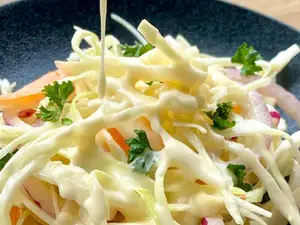
Gluten-Free Salad Dressing: Easy Formula + 5 Simple Recipes
Learn a simple formula for gluten-free salad dressing plus easy recipes you can make in minutes. No bottles needed—just fresh, safe ingredients.
Gluten Free Meal Planning
meal planning and shopping list for a typical gluten free week
Perfect Poached Eggs
Protein is an essential part of a gluten free breakfast and these perfect poached eggs can be the quick easy centerpiece


Hi, I'm Patty.
I'm a person with celiac disease, a culinary school grad, and a lifelong student of food and natural healing.
After my diagnosis in 2012, I enrolled in the Chef’s School at George Brown College and earned my Culinary Skills diploma, focusing on nutrition and cooking for special diets.
Cooking has changed my life — and helped me take back my health. Now, I’m here to help you do the same.
Let’s do this together!

Subscribe!
Get Naturally Gluten-Free Digest
Practical gluten-free tips + a featured recipe/article
delivered to your inbox.
Recent Articles


-
How to Prep Ahead, Store and Reheat Gluten-Free Sheet Pan Dinners
Aug 07, 26 01:48 PM
 Learn how to prep gluten-free sheet pan dinners ahead, store leftovers safely and reheat them without drying out. Includes practical tips and a printable guide.
 -
Sheet Pan Cooking Made Easy: Get Everything to Finish at the Same Time
Jul 22, 26 04:14 PM
 Learn how to stagger sheet pan ingredients so everything finishes together. A simple method using timing windows—not complicated minute-by-minute schedules.
 -
Sheet Pan Cook Time Chart for Proteins and Vegetables
Jul 22, 26 04:13 PM
 Compare sheet pan cook times for proteins and vegetables, timing windows and safe internal temperatures. Includes a printable cook time chart.


Popular Articles


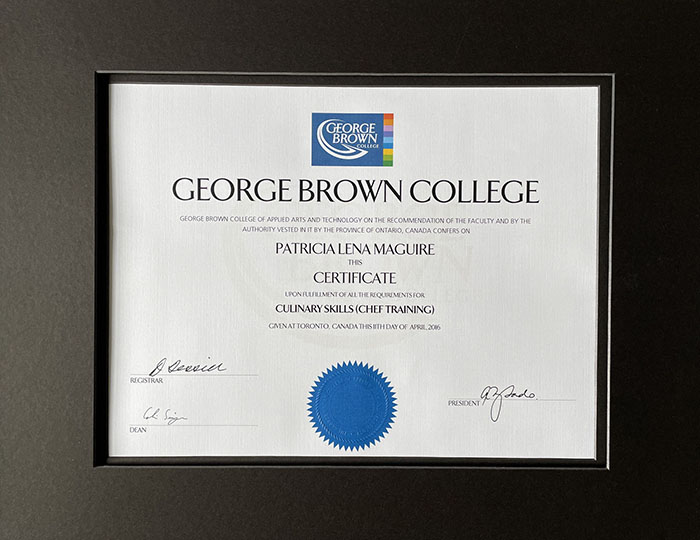
Trained in Culinary Skills with a focus on Nutrition and Healthy Eating!
Visit NGF (NaturallyGluten-Free) on Facebook at: https://www.facebook.com/naturallyglutenfree
On Substack at: Naturally Gluten-Free Digest
Patricia Maguire, copyright © 2026 naturallygluten-free.com Port Hope, Ontario, Canada. All rights reserved
Subscribe to
Naturally Gluten-Free Digest
- Feel safer and more confident eating gluten-free
- Save time and money with practical strategies
- Discover trustworthy recipes and resources without wading through misinformation
It's Free!
You won't have to remember to check back.
NGF will land in your inbox weekly.
and
As a thank-you from me you get a free
Printable Gluten-Free Food List
that you can pin to your fridge or take shopping.
I respect your privacy!
I won't use your email for anything but to send you the newsletter.