- Home
- Gluten Free Cooking
- Gluten-Free Soup
Gluten-Free Soup: How to Make It + Easy Ideas to Try
Making your own gluten-free soup from scratch is a skill that will quickly build your confidence in the kitchen. After all, isn’t soup just the best thing ever?
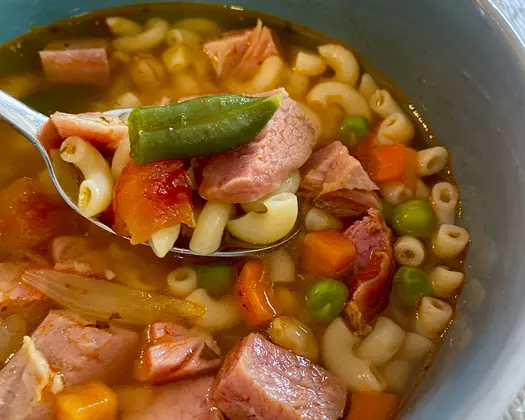
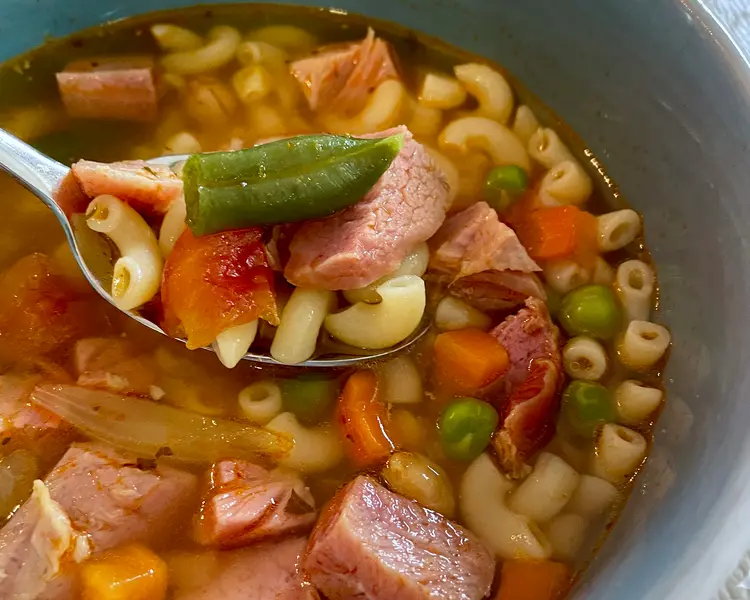
Soup warms you on a cool evening, helps you feel better when you’re sick, and can be anything from a quick lunch with a sandwich to a slow-simmered, stand-alone hearty meal.
And the best part — most soup ingredients are naturally gluten-free.
There are some risks, though. You need to know what ingredients to watch for, in both homemade and store-bought soups. With that knowledge and a few simple techniques, you’ll soon be making delicious soups like a pro.
If you’re new to cooking this way, my gluten-free cooking guide will walk you through the basics.
Best Gluten-Free Soup Ideas (Start Here)
If, like many of us, you’re stuck for ideas, this is a great place to start. These classic soups all have two things in common: they’re made from naturally gluten-free ingredients, and you can easily make them yourself.
Comfort classics
- Chicken soup (noodle or rice) – chicken broth, rice or gluten-free noodles, shredded chicken
- Tomato soup – sautéed onion & garlic, herbs, tomatoes – puree
- Bean and bacon – a hearty meal on its own
- French onion soup– the restaurant classic you can make yourself
Light & simple
- Vegetable soup – vegetable broth, diced vegetables
- Brothy beef soup – sautéed diced beef, beef broth, vegetables, gluten-free grain
Hearty meals
- Butternut squash – roasted butternut squash, onion, garlic, vegetable broth, nutmeg — puree
- Creamy cheese and broccoli – butter, gluten-free flour, chicken or vegetable broth, cream or coconut milk, cheese, broccoli
- Potato-based soups – onion, garlic, herbs, potatoes or sweet potatoes — puree
What Makes Soup Gluten-Free (or Not)
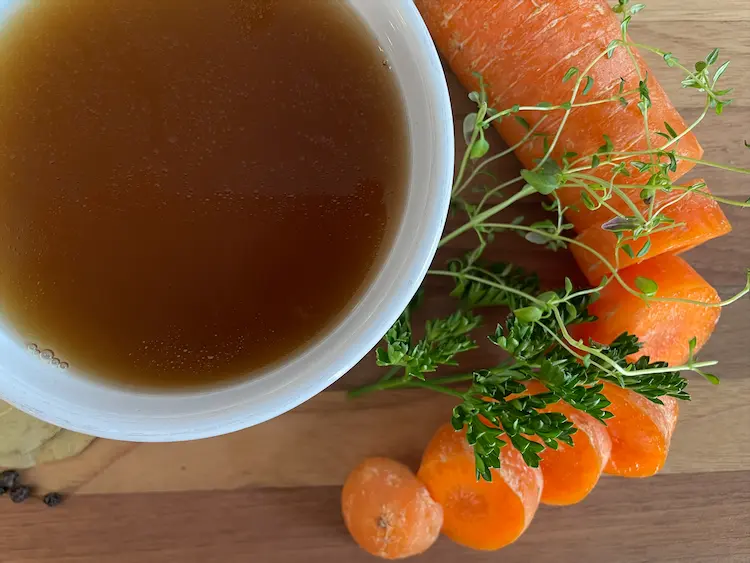
Even though most soup recipes are naturally gluten-free, gluten does appear in a few predictable places. A few gluten-free recipe substitutions are all you need to make your soup safely gluten-free.
Broth (or stock)
This is the base for most soups—and the first place gluten can sneak in. The best versions are made in your own kitchen, but you can find good-quality gluten-free broths in the supermarket. Check ingredients carefully. The most common culprits are barley or barley malt. When in doubt, look for a gluten-free label.
If you'd like to learn how to make gluten-free beef bone broth, I have an excellent recipe.
Thickeners
Many soups are thickened with wheat flour so watch for this on ingredient labels and in your recipes. You can use gluten-free flour or cornstarch, or you can puree some of your soup to thicken it.
Noodles and Grains
Wheat pasta and gluten grains like barley are common in store-bought soups and soup recipes. You can easily swap these out for gluten-free pasta or rice noodles and gluten-free grains like rice or sorghum.
Flavor Enhancers
Many soups and soup recipes use soy sauce, Worcestershire sauce or malt vinegar to enhance the flavor. These ingredients are not gluten-free. Use tamari, gluten-free soy sauce, gluten-free Worcestershire or apple cider vinegar instead.
Bread, Croutons, Crackers
French onion soup comes immediately to mind. The soup itself is gluten-free (so long as a gluten-free broth is used) but it’s a big chunk of toasted baguette that keeps that melty mozzarella afloat. Substitute gluten-free bread, croutons or crackers and your soup is safe.
 |
Want simple guidance, trusted resources, and doable recipes delivered to your inbox once a week? |
|
How to Make Gluten-Free Soup
You may think you need all day to make a delicious homemade soup, but that’s simply not true.
With a good-quality gluten-free stock and a few pantry staples, you’re off to the races. In as little as 30 minutes to an hour you can have a rich, flavorful homemade soup ready to enjoy.
Eventually, you won’t even need a recipe.
Core method – the framework for almost any soup:
- Build flavor – Sauté onion, garlic, and veg until soft and aromatic. Salt, pepper, spices, and dried herbs go in here.
- Add protein – brown chicken, turkey or beef (optional)
- Add liquid – a good-quality gluten-free broth
- Simmer – just barely bubbling until everything is cooked through
- Finish – taste and adjust your seasoning. A little acid like lemon juice or vinegar adds a nice snap. Fresh herbs add flavor and color.
Your imagination is running wild, isn’t it? Think of all the amazing soups you can make with this simple method.
The 3 Types of Soup
Most soups fall into one of three categories: clear soups, thickened soups, and cream soups.
Each one has a slightly different technique, and once you know the approach for each, you can make almost any soup you can imagine. You’ll also start to notice these techniques in recipes.
This same approach is the foundation for many homemade gluten-free sauces as well.
Clear Soups
Clear soups are the simplest. The broth is the star, and the goal is to keep it clean and flavorful. Follow the core method above and don't add any thickener.
Here are a few examples of soups you can make today.
Naturally Gluten-Free Chicken and Rice Soup
- Sauté onion, celery, and carrot. Season with a little salt and pepper.
- Add diced chicken and cook until lightly browned.
- Pour in gluten-free chicken broth.
- Simmer for 20 minutes.
- Add cooked rice, finish with fresh parsley and a squeeze of lemon.
Done. This is the kind of soup that feels like a hug in a bowl — and it takes less than 30 minutes.
Naturally Gluten-Free Clean Out the Fridge Soup
Looking at a bunch of leftovers in the fridge and can’t bear another microwave meal? Make a warm and comforting soup.
- Shred up last night’s chicken and add it to chicken broth with gluten-free pasta – gluten-free chicken noodle soup.
- Dice up leftover steak and vegetables, add them to beef broth with cooked rice or sorghum – gluten-free beef “barley” soup.
- And of course, the holiday favorite – turkey soup. Make your broth from the turkey carcass and add shredded turkey and veggies.
Add a tossed salad with a simple homemade salad dressing and you have a filling and nutritious meal.
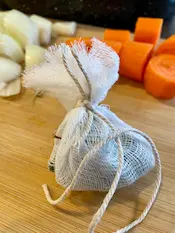
What is a Spice Bag?
It’s a chef’s trick to add flavor to soups and stocks. Tie up crushed peppercorn, fresh thyme, parsley stems, a bay leaf and an optional garlic clove in a square of cheesecloth.
Immerse it in the soup or stock to amp up the flavor. Tie the string to the handle of the pot so you can find it when you want to remove it.
Thickened Soups
There are two ways to thicken a soup.
- With a roux
- By pureeing the ingredients
How to Make a Gluten-Free Roux
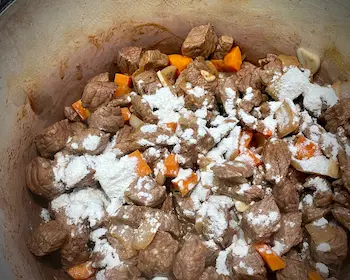
Start with equal parts gluten-free flour and fat. Sweet rice flour or an all-purpose flour blend work well.
- Heat up the fat in the bottom of your soup pot.
- Add the flour and stir.
- Whisk in your liquid slowly so your soup doesn’t go lumpy.
- If you’re sautéing vegetables and meat you can sprinkle your flour on top then whisk in the broth.
A gluten-free alternative to thickening with a roux is to add a cornstarch mixed with water (a slurry) at the end of cooking.
If you’ve made a roux with wheat flour you may notice that gluten-free flour doesn’t thicken as much when added to the fat. Don’t be tempted to add more flour. It will thicken up nicely when you whisk in the liquid.
Gluten-Free Beef Soup
- Sauté onion and garlic.
- Add cubed beef and brown
- Sprinkle with gluten-free flour
- Slowly whisk in beef broth
- Simmer until beef is tender
How to Make a Pureed Soup
- Start with a clear soup made according to the above method
- Puree some or all of the ingredients in a blender or in the pot with an immersion blender.
This is a classic, simple and naturally gluten-free way to thicken a soup. Think of the tomato soup you pair with your grilled cheese, or the butternut squash soup that accompanies the Thanksgiving turkey.
If you make soups often, I recommend an immersion blender. I've included a link for your convenience. Cuisinart Immersion Blender
(This page may contain affiliate links. If you purchase through them, I may earn a small commission at no extra cost to you.)
Important Safety Tip!!!
If you are pureeing hot liquid in the blender, take the handle out of the lid and cover the blender with a towel.
This lets the steam escape, so your hot soup won’t explode all over you and your kitchen.
Classic Tomato Soup
- Sauté onion & garlic in butter, season with a little salt & pepper.
- Add a teaspoon of sugar and a ½ teaspoon of dried basil or Italian seasoning – stir and cook.
- Add one 28 oz can of diced tomatoes
- Puree in a blender or in the pot with an immersion blender
- Optional – add ¼ cup of heavy cream for creamy tomato soup
Cream Soups
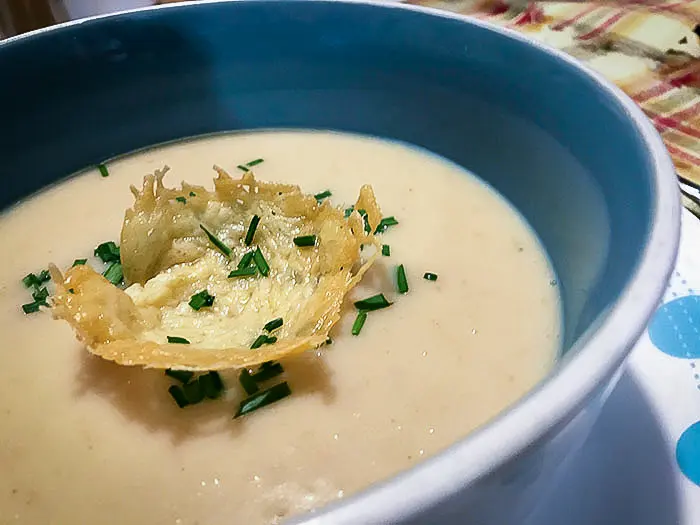
Cream soups are rich and satisfying versions of a thickened soup. It’s the addition of cream (or coconut milk for a dairy-free version) that gives these soups their silky-smooth richness. To make a cream soup, follow the directions for a thickened soup, usually the puree method, then add about ¾ cup of cream.
Creamy Broccoli and Cheese Soup
- Melt butter in soup pot, add an equal amount of flour, stir. Season with a little salt and pepper.
- Whisk in broth
- Add cream or coconut milk
- Add shredded cheese, stir to melt
- Add cooked broccoli
- Optional – puree the soup
Creamy Tomato Soup
- Follow the recipe for Classic Tomato Soup
- Add ¾ cup of cream or coconut milk.
Real-Life Tips That Make Soup Easier
We’ve seen how simple soups can be to make, and how practical they are for a busy life. Here are a few tips to make your gluten-free soup adventures even easier:
- Cook noodles separately and add before serving – especially if you expect to have leftovers. Gluten-free noodles tend to go soggy sitting in liquid.
- Batch cooking – make extra soup and freeze it in single serving containers. This works especially well with broth-based soups, and bean soups. Potatoes and dairy change texture when frozen, so refrigerate those and use within a few days.
- Use leftovers – add leftover meat and veggies to a good-quality broth and you have a quick and easy soup. Use any of the techniques above. You can also use leftover sauces or gravies as a flavor base.
- Season lightly throughout cooking – You don’t want your soup too salty, so keep the seasoning light when you sauté your onion and garlic. When your soup is ready to serve, taste it and add extra if needed.
Store-Bought Gluten-Free Soup (What to Look For)
As simple and satisfying as it is to make your own gluten-free homemade soup, you may want to keep some store-bought soups in the pantry for convenience. Here are a few tips and things to watch for:
- Check labels for wheat, rye, barley, or derivatives. Barley malt is common in soup broths and wheat flour is often used as a thickener.
Labeling laws are different in different countries.
In Canada, Britain, and Australia, for example, gluten ingredients must be clearly called out on the label. In the U.S. you may want to avoid malt, vague flavorings and modified food starch as they can contain gluten.
- Check the organic or specialty foods section – products in this area of the store often have fewer unnecessary ingredients and are more likely to be gluten-free.
Brand Comparison
As an example, compare the ingredients on these two brands of tomato soup:
- The Campbell’s is thickened with wheat flour and also contains natural flavoring — who even knows what that is?
- The Pacific brand is from the organic section. It contains simple, recognizable ingredients—and no gluten.
- Habitant French Canadian Pea Soup is a favorite of mine. The ingredients are simple, recognizable and gluten-free.
Soup Recipes to Try
Recipes can be helpful, especially when you’re getting started. Here are two tried and true favorites from my collection:
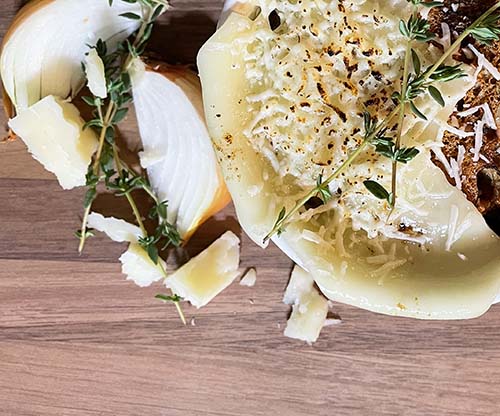
Gluten-Free French Onion Soup - Do you miss ordering French Onion Soup in a restaurant? I did until I learned that it's easy to make my own homemade gluten-free French Onion Soup
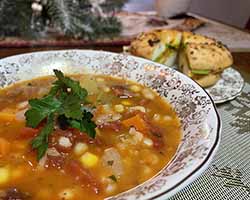
Gluten-Free Bean and Bacon Soup - This hearty delicious bean and bacon soup started out as an attempt to replace what was, before I went gluten-free, my favorite canned soup from Campbell's.
FAQs About Gluten-Free Soup
Can soup be naturally gluten-free?
Can soup be naturally gluten-free?
Yes. Many soups are made without wheat, rye, or barley, making them naturally gluten-free. Examples include chicken soup with rice, vegetable soup, and classic tomato soup. Just make sure your broth is gluten-free.
What is the best thickener for gluten-free soup?
What is the best thickener for gluten-free soup?
Gluten-free soup can be thickened with gluten-free flour, cornstarch or by pureeing some or all of the ingredients.
What kinds of soup are gluten-free?
What kinds of soup are gluten-free?
Any kind of soup can be made gluten-free by using gluten-free ingredients. Check the label on your favorite brands or look in the organic or “free-from” aisle in your grocery store.
Are You Ready to Make Your Own Soup?
Are you feeling inspired to make your own gluten-free soup? All you need is a good gluten-free broth and your favorite add-ins. The important thing is not to be intimidated – it’s only soup. Try a few of the ideas on this page or create your own. Happy cooking.
|
|
Want simple guidance, trusted resources, and doable recipes delivered to your inbox once a week? |
|

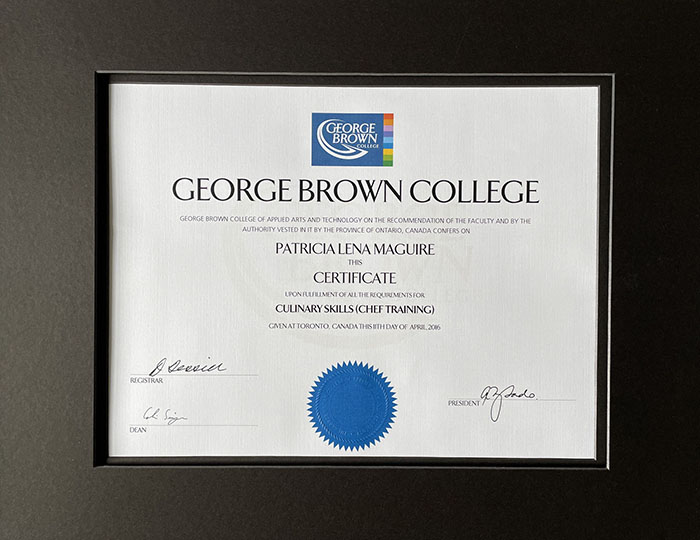
Patty Maguire is a George Brown College culinary graduate whose training focused on nutrition and cooking for special diets.
Since her celiac diagnosis in 2012, she has shared a practical, whole-food approach to naturally gluten-free living that helps readers cook with confidence, eat out safely, travel well, and live fully.
Rooted in farm-family values and simple home cooking, her work has been recognised by Feedspot’s top 10 Canadian gluten-free blogs list.
You might like these
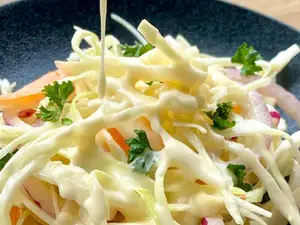
Gluten-Free Salad Dressing: Easy Formula + 5 Simple Recipes
Learn a simple formula for gluten-free salad dressing plus easy recipes you can make in minutes. No bottles needed—just fresh, safe ingredients.
Gluten Free Meal Planning
meal planning and shopping list for a typical gluten free week
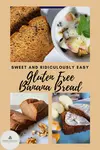
Today's the Day | Sweet and Ridiculously Easy Gluten Free Banana Bread
Today’s the day. You are going to make gluten free banana bread. Why? Because this recipe is so ridiculously easy, there is no reason not to.

Hi, I'm Patty.
I'm a person with celiac disease, a culinary school grad, and a lifelong student of food and natural healing.
After my diagnosis in 2012, I enrolled in the Chef’s School at George Brown College and earned my Culinary Skills diploma, focusing on nutrition and cooking for special diets.
Cooking has changed my life — and helped me take back my health. Now, I’m here to help you do the same.
Let’s do this together!

Subscribe!
Get Naturally Gluten-Free Digest
Practical gluten-free tips + a featured recipe/article
delivered to your inbox.
Recent Articles


-
How to Prep Ahead, Store and Reheat Gluten-Free Sheet Pan Dinners
Aug 07, 26 01:48 PM
 Learn how to prep gluten-free sheet pan dinners ahead, store leftovers safely and reheat them without drying out. Includes practical tips and a printable guide.
 -
Sheet Pan Cooking Made Easy: Get Everything to Finish at the Same Time
Jul 22, 26 04:14 PM
 Learn how to stagger sheet pan ingredients so everything finishes together. A simple method using timing windows—not complicated minute-by-minute schedules.
 -
Sheet Pan Cook Time Chart for Proteins and Vegetables
Jul 22, 26 04:13 PM
 Compare sheet pan cook times for proteins and vegetables, timing windows and safe internal temperatures. Includes a printable cook time chart.


Popular Articles


Trained in Culinary Skills with a focus on Nutrition and Healthy Eating!
Visit NGF (NaturallyGluten-Free) on Facebook at: https://www.facebook.com/naturallyglutenfree
On Substack at: Naturally Gluten-Free Digest
Patricia Maguire, copyright © 2026 naturallygluten-free.com Port Hope, Ontario, Canada. All rights reserved
Subscribe to
Naturally Gluten-Free Digest
- Feel safer and more confident eating gluten-free
- Save time and money with practical strategies
- Discover trustworthy recipes and resources without wading through misinformation
It's Free!
You won't have to remember to check back.
NGF will land in your inbox weekly.
and
As a thank-you from me you get a free
Printable Gluten-Free Food List
that you can pin to your fridge or take shopping.
I respect your privacy!
I won't use your email for anything but to send you the newsletter.