- Home
- Gluten-Free Travel
Gluten-Free Travel: How to Vacation Confidently with Celiac
Do you yearn for sunshine in the middle of a cold winter? Do historical sites or cuisines of the world excite you?
If you’re like me, you look forward to your holiday each year and want to make it special. But let’s face it, planning that first gluten-free vacation will be a bit stressful.
If you’re new to traveling with celiac disease, the questions are likely swirling through your mind:
- Will the airline and airport have gluten-free food?
- Where will you stay?
- How will you find food in a strange city or country?
Don’t worry. Traveling with celiac disease takes planning, but it’s absolutely possible — and with the right strategies, you can vacation safely and confidently.
This gluten-free travel page is your starting point. It covers the key things to plan before you go and links to detailed guides for air travel, road trips, cruises, and more.
I’m sharing my travel know-how, so you can enjoy safe gluten-free adventures.
On This Page
How to Travel Gluten-Free: What to Plan Before You Go
 |
Want simple guidance, trusted resources, and doable recipes delivered to your inbox once a week? |
|
Successful gluten-free travel isn't about perfection—it's about preparation, flexibility, and knowing where to find resources when you need them.
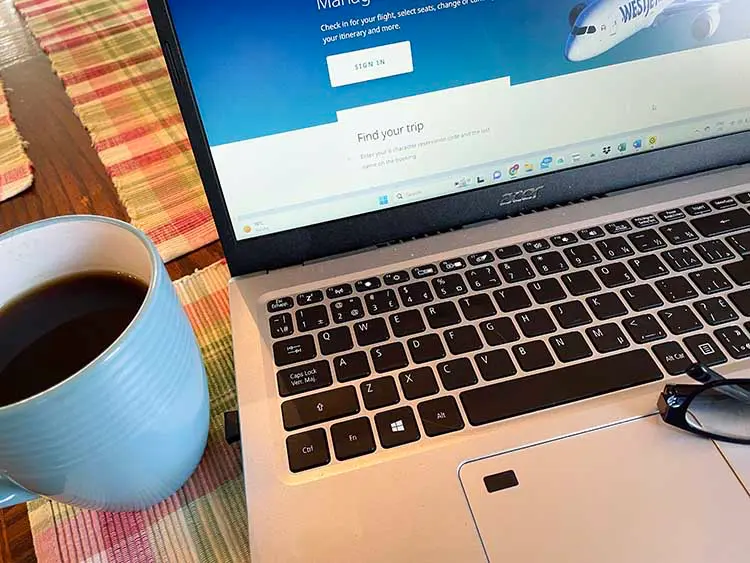
An hour or so spent planning will save you time and stress while you’re away. So, get out your computer, a pen, and a notebook. Here are the five steps you need to plot out in advance:
- Choose your destination.
- Choose your mode of transportation.
- Choose your accommodation.
- Plan your sightseeing.
- Build a safe food plan
Step 1: Choosing your destination
Some countries are very celiac-friendly while others are more challenging. Where you choose to go will depend on your own interests and your tolerance for risk.

Things to Consider
- The purpose of your holiday.
- Your risk tolerance.
- Your comfort with foreign languages.
In my experience, the best countries for gluten-free knowledge and availability are:
- Italy
- Ireland
- Spain
- Canada
- Mexico
I haven’t yet traveled to Australia or New Zealand, but they have excellent labelling laws, and I’ve heard from others that they are very gluten-friendly.
I’ve also had good experiences in:
- France
- Croatia
- Greece
- United States
- the Caribbean
Although I haven’t yet traveled in Asia, I’ve heard that China, Korea, and Japan are difficult due to the prevalence of soy sauce. That doesn’t mean you shouldn’t go – you just need to be extra careful. If you’re looking for a gluten-free Asian experience, Vietnam has a good reputation.
My Gluten-Free Dining Cards for travel are helpful, especially if you are traveling in a non-English speaking country. Print them off and keep a few with you to help ensure your needs are understood.
Step 2: Choosing Your Mode of Travel
Train, plane, automobile – or maybe a cruise ship. Your mode of transportation will make a big difference to how much control you have over your food, and your stress level.
Things to Consider
- Service vs control
- A great dining experience vs getting there with safe food
Road trips give you the most control and are the most work. Pack a cooler with your own gluten-free food and the risk is almost zero.
My Gluten-Free Road Trip Guide has lots of tips and advice to get you to your destination with a happy tummy.
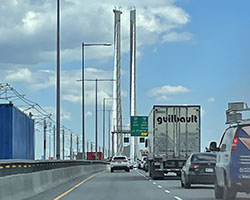
Air travel is a little more stressful because you have less control over your food. Airlines and airports vary widely in their ability to accommodate gluten-free needs.
My Gluten-Free Air Travel Guide gets you through the airport, into the air, and safely to your hotel or vacation home.

Cruise ships are floating cities with shops, restaurants, bars, casinos, and of course, your ports-of-call.
|
My Cruising Gluten-Free Guide will give you the benefits of my cruising experience so you can plan your own adventure. |
 |
Step 3: Choosing Your Accommodation
Where you stay directly impacts the control you have over your food. Do you want to cook your own meals, or are you comfortable relying on restaurants?
Things to Consider
- Length of stay
- Service vs control
- Purpose of the trip – short vacation, longer-term escape, overnight road-trip stop, work conference
I almost always choose a vacation rental home when I travel. Often a small apartment works and is cost-effective. In some cases, a full house is best, especially if traveling with others.
This way I’m in complete control of my food. I enjoy cooking, so that works. I can shop at local markets, I can pack lunches for day trips and enjoy the odd restaurant meal at my leisure.
Exceptions include:
- If I’m only staying one night – arriving late and leaving early – I’ll choose a hotel.
- If I’m taking a cruise or staying at an all-inclusive resort.
My guide to Setting Up Your Vacation Home gives you tips on choosing your holiday rental and making it meet your gluten-free vacation needs.

The Importance of a Fridge
If I’m staying in a hotel room, I always try to get one with a fridge. I love to save my dinner leftovers for breakfast, and storing food from the cooler allows me to clean it out and replenish the ice in the morning.
Coffee makers and microwaves are an extra bonus.
Step 4: Plan Your Sightseeing
You’ll want to be flexible of course. Not every excursion needs to be planned before you leave home. But research your destination and get ideas about what you might do.
Do you foresee a few beach days (great for picnic lunches), shopping excursions, museum tours, hikes or bus trips? Will you spend a few days exploring the city or take off to a wildlife preserve?
Then consider the food situation for each idea.
- Do the guided tours or bus tours include lunch?
- What restaurants are near the museum, the beach or the shopping district?
- Does the venue have its own food service?
Each activity comes with challenges. Having some idea of what you’ll do will prepare you for the next step.
Step 5: Build a Safe Food Plan
This is the most important step – thinking about how you will handle food when you get to your destination.
On a cruise or at an all-inclusive resort, your food is handled for you. You’ve done your research to ensure that they can accommodate, but you still need to consider sightseeing away from the ship or resort. Same thing applies if you’re staying in a hotel or vacation home.
Things to Consider
- Do guided tours include meal stops? If so, ensure they know of your needs and can accommodate.
- Will you be away into the evening, i.e. including dinner, or just for lunch?
- Can you easily pack and carry a lunch?
- Are you interested and comfortable to try the local cuisine?
Regardless of my accommodations, I have three gluten-free travel meal strategies that I simply apply to the situation.
- Breakfast at home base, pack a lunch, hot restaurant meal for dinner – works well on road trips.
- Breakfast at home base, restaurant lunch, dinner at home base – perfect for shopping or museum days.
- Breakfast at home base, pack a lunch, dinner at home base – good for beach days or hikes.
For me this keeps the risk of restaurant dining in a strange place to a minimum, one restaurant meal per day at most, and ensures that I get a good hot meal for dinner.
Packing Smart for Your Gluten-Free Vacation
With your plan in hand, let’s consider what you’ll need to pack, and what you don’t need.
Snacks
Some people take a whole second suitcase for gluten-free snacks. Personally, I think this is overkill.
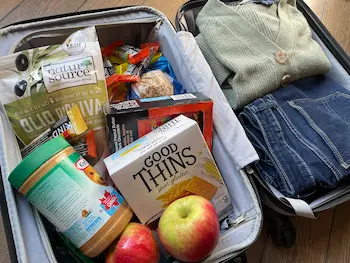
I’ve never been to a city where I couldn’t find snacks. Markets and grocery stores all have fresh fruit, cheese, yogurt, and most have gluten-free crackers, bread, granola bars etc.
Here is what you do need when traveling gluten-free:
- Road trip snacks for the whole trip – pit stops are short and roadside restaurants can be risky.
- Day trip snacks – stuff a granola bar or a piece of fruit in your backpack and you won’t feel pressured into making unsafe choices.
- Backup snacks for the resort or cruise ship – the buffet will have fruit, cheese and other safe between meal choices, but munchies for that late night craving will be harder to find.
- Air travel snacks – this is another challenging situation. Airports may or may not have something safe for you, and once you’re in the air, your choices may be very limited.
If you’re traveling internationally, there are rules about what you can bring on an airplane or across the border. Look these up before you pack food.
Equipment
Here is a list of things I take with me when I travel. There are a few links to products. If you choose to buy through these links I may earn a small commission at no extra charge to you.
For short stays:
- A small soft-sided cooler bag is a necessity for road trips or picnic lunches while sightseeing. You can even squish it up and stuff it in your suitcase for air travel. Here is one from Amazon that would work well.
- TSA approved ice-packs to keep your food cold and get you through security. You can get those here.
- Toaster bags for the hotel toaster. Get toaster bags here.
- Portable travel cutlery set for air travel or road trips. I like this set because it comes with a handy case.
- Ziploc freezer bags for leftovers or to make ice packs for your cooler from the hotel ice machine
- Aluminum foil to line baking trays.
- A small backpack is the easiest way to carry food and drinks if you’ll be walking a lot.
For longer stays, consider how you cook and eat, and choose from the list below:
- A toaster*: Toast under the broiler is fine for short stays. For longer trips you’ll appreciate your own toaster.
- A slow cooker*: It’s nice to put dinner on before you leave for a day trip and come home to the smell of a delicious meal.
- A tea kettle*: If you like tea, as I do, an inexpensive tea kettle will make life easier.
- A good knife: Knives in vacation rentals are not the best quality. I bring my own when I can.
*Bring these items from home, or if flying, you can buy them inexpensively at your destination. It’s worth it.
Restaurant Dining Strategies
Restaurant dining is one of the more stressful situations for those of us with celiac disease. When you’re traveling, you’ll likely eat in restaurants more than usual.
My Gluten-Free Restaurant Dining Guide gives you everything you need to enjoy delicious restaurant meals safely. But here are a few travel-specific tips:

- Research your destination city or cities in advance for gluten-free restaurant options. You might consider saving a few interesting spots in Google Maps.
- Look up the celiac association in the country you’re traveling to for country-specific tips.
- Have Find Me Gluten-Free on your phone so you can make any last-minute decisions quickly.
- Ask the hotel concierge or guest services for recommendations.
Special Gluten-Free Travel Breakfast Strategies
Do you find breakfast to be the trickiest meal when traveling with celiac disease? I do. Especially since I don’t eat dairy, and until recently, I didn’t eat eggs. No milk, no eggs, no bread. What’s left for breakfast?
Here are a few of my gluten-free travel breakfast strategies:
- Carry plant-based yogurt and fruit in the cooler along with a granola bar.
- Call ahead to the hotel to see if they can accommodate your dietary needs.
- Save leftovers from dinner in the hotel mini-fridge.
Overcoming Language Barriers
If you’re an English speaker, you’ll likely be fine in most resorts and major cities. Yet it’s important to know a few phrases in the local language.
Please, thank you, do you speak English, how much does this cost, and where’s the bathroom will get you pretty far. Now you also need to be able to say “gluten-free”.
- French – sans gluten
- Spanish – sin gluten
- Italian – senza glutine
- German – glutenfrei
- Greek – chorís glouténi
- Portuguese – Não contém glúten
What to Do if You Get Glutened While Traveling
All the planning is about avoiding this exact scenario, but nothing is 100% risk-free. It happened to me while in Barcelona at the end of my Mediterranean cruise. If it happens to you, do the same things you would at home:
- Rest
- Hydrate and replenish electrolytes.
- Soothe your belly with heat and warm peppermint or ginger tea.
- When you’re ready for food, keep it bland – bananas, rice, applesauce, toast.
- You likely won’t need medical attention unless symptoms are severe or last more than a few days.
- When you’re ready to venture out again, keep the first few excursions short and make sure you can bail if necessary.
Medical Plans
Check with your government or private insurance carrier to see what’s covered while you’re traveling. Purchase extra coverage if necessary.
Getting sick or injured while abroad can be very costly. And it does happen. My daughter needed stitches in Marseilles, she and I both got food poisoning in Rome, and my step-son had to get tree needles removed from his hand in Cuba.
Data Plans
Most resorts and cruise ships have Wi-Fi (maybe at a cost), but if you’re planning any sightseeing, you’ll want cellular data on at least one phone in your group. This gives you access to Google Maps, so you don’t get lost, travel information, and your gluten-free restaurant app.
You have a few options:
· Call your carrier to see what their out-of-country plans are like.
· Get a SIM card for your phone when you arrive. This will likely involve changing your phone number temporarily. I’ve done this on extended trips.
· Get a virtual SIM. This is a subscription service that acts like a local SIM card but you don’t change the physical SIM. And you keep your number. Some are only for data, not phone calls. Here is the provider I used in Europe.
Rounding Out Our Journey
I know it seems like a lot at first, but do you feel better now that you have a plan?
Yes, celiac disease adds complexity to travel, but learning how to travel gluten-free gets easier with experience. I've had incredible travel experiences, tasted amazing gluten-free versions of local specialties, and connected with people around the world over shared meals.
If you’d like detailed accounts of some of my trips, check out my Canadian Celiac in Tampa blog series, or my Carnival Caribbean Cruise review.
Safe travels.
|
|
Want simple guidance, trusted resources, and doable recipes delivered to your inbox once a week? |
|

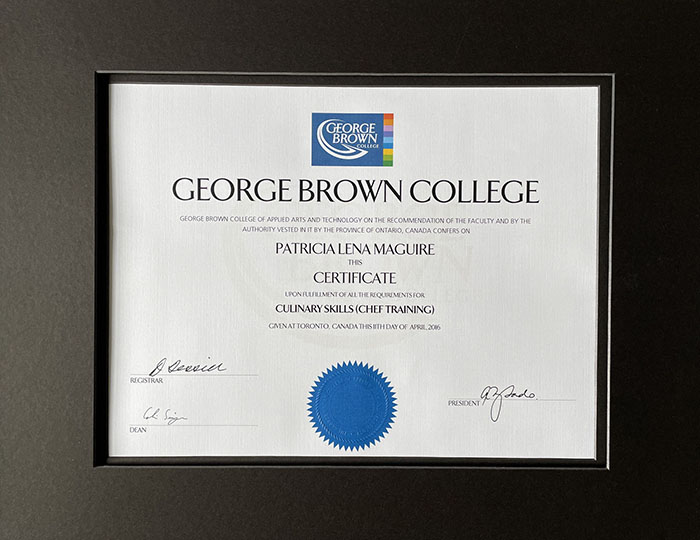
Patty Maguire is a George Brown College culinary graduate whose training focused on nutrition and cooking for special diets.
Since her celiac diagnosis in 2012, she has shared a practical, whole-food approach to naturally gluten-free living that helps readers cook with confidence, eat out safely, travel well, and live fully.
Rooted in farm-family values and simple home cooking, her work has been recognised by Feedspot’s top 10 Canadian gluten-free blogs list.
Gluten-Free Travel FAQ
1. Can you travel safely with celiac disease?
Yes. Traveling with celiac disease takes planning, but you can travel safely and enjoy your trip. Research your destination, pack backup food, choose accommodations wisely, and communicate clearly in restaurants. With preparation and flexibility, most people with celiac disease travel successfully.
2. What food should I pack when traveling gluten-free?
Always carry safe snacks for travel days and excursions. Good options include gluten-free bars, nuts, fruit, crackers, and sandwiches. For road trips or longer outings, pack a cooler with simple meals and drinks so you’re not relying entirely on restaurants.
3. Is it hard to eat gluten-free in other countries?
It depends on the country. Some places, like Italy, Ireland, and Spain, have excellent gluten-free awareness and choices. Others may be more challenging due to language barriers or hidden gluten in sauces. Research ahead of time, learn key phrases, and consider using gluten-free dining cards when traveling internationally.
4. Do airlines provide gluten-free meals?
Most airlines offer gluten-free meals, but availability and quality vary widely. Even when a meal is requested in advance, it’s wise to bring your own food in case of delays or limited options. Airport food can also be unpredictable, so packing snacks is always a good idea.
5. Should I stay in a hotel or a vacation rental when traveling gluten-free?
Many travelers with celiac disease prefer accommodations with a fridge or kitchen. A vacation rental or suite makes it easier to store groceries, prepare simple meals, and reduce reliance on restaurants. For short stays, a hotel room with a mini-fridge can work well.
6. How do you find gluten-free restaurants while traveling?
Before your trip, research restaurants online and save options in Google Maps. Apps like Find Me Gluten Free can help locate safe choices in unfamiliar cities. Hotel staff, local celiac associations, and online reviews can also point you toward reliable restaurants.
7. What should I do if I accidentally eat gluten while traveling?
Treat it the same way you would at home. Rest, hydrate, and eat simple foods until you feel better. Use heat or herbal tea for comfort. Most reactions pass with time, but if symptoms are severe or persistent, seek medical care. Once you feel better, ease back into activities gradually.
8. How do I handle breakfast when traveling gluten-free?
Breakfast can be the trickiest meal. Many gluten-free travelers rely on groceries, leftovers, or simple foods stored in their room. Yogurt, fruit, gluten-free bread, and snacks from a local market can make mornings easier and reduce stress before heading out for the day.
You might like these
Gluten-Free Road Trip
How do you eat gluten-free on a road trip? What to pack, where to stay, and how to make your gluten-free road trip fun, safe and stress free.
What Every Canadian Celiac Needs to Know to Vacation Safely in Tampa
In this Canadian Celiac in Tampa blog series I give lots of information and share my experiences so you can travel in the US with confidence.
Planning a Gluten Free Tampa Vacation That's Fun, Safe and Stress Free
Travelling with celiac disease requires preparation. Planning your gluten free Tampa vacation in advance will help to avoid stress and risky food situations.


Hi, I'm Patty.
I'm a person with celiac disease, a culinary school grad, and a lifelong student of food and natural healing.
After my diagnosis in 2012, I enrolled in the Chef’s School at George Brown College and earned my Culinary Skills diploma, focusing on nutrition and cooking for special diets.
Cooking has changed my life — and helped me take back my health. Now, I’m here to help you do the same.
Let’s do this together!

Subscribe!
Get Naturally Gluten-Free Digest
Practical gluten-free tips + a featured recipe/article
delivered to your inbox.
Recent Articles


-
How to Prep Ahead, Store and Reheat Gluten-Free Sheet Pan Dinners
Aug 07, 26 01:48 PM
 Learn how to prep gluten-free sheet pan dinners ahead, store leftovers safely and reheat them without drying out. Includes practical tips and a printable guide.
 -
Sheet Pan Cooking Made Easy: Get Everything to Finish at the Same Time
Jul 22, 26 04:14 PM
 Learn how to stagger sheet pan ingredients so everything finishes together. A simple method using timing windows—not complicated minute-by-minute schedules.
 -
Sheet Pan Cook Time Chart for Proteins and Vegetables
Jul 22, 26 04:13 PM
 Compare sheet pan cook times for proteins and vegetables, timing windows and safe internal temperatures. Includes a printable cook time chart.


Popular Articles



Trained in Culinary Skills with a focus on Nutrition and Healthy Eating!
Visit NGF (NaturallyGluten-Free) on Facebook at: https://www.facebook.com/naturallyglutenfree
On Substack at: Naturally Gluten-Free Digest
Patricia Maguire, copyright © 2026 naturallygluten-free.com Port Hope, Ontario, Canada. All rights reserved
Subscribe to
Naturally Gluten-Free Digest
- Feel safer and more confident eating gluten-free
- Save time and money with practical strategies
- Discover trustworthy recipes and resources without wading through misinformation
It's Free!
You won't have to remember to check back.
NGF will land in your inbox weekly.
and
As a thank-you from me you get a free
Printable Gluten-Free Food List
that you can pin to your fridge or take shopping.
I respect your privacy!
I won't use your email for anything but to send you the newsletter.