- Home
- Living Gluten Free
- Hashimoto's Diet
Hashimoto’s Diet: What Actually Matters (Especially With Celiac)
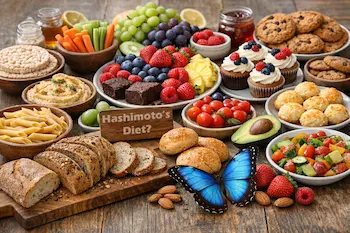
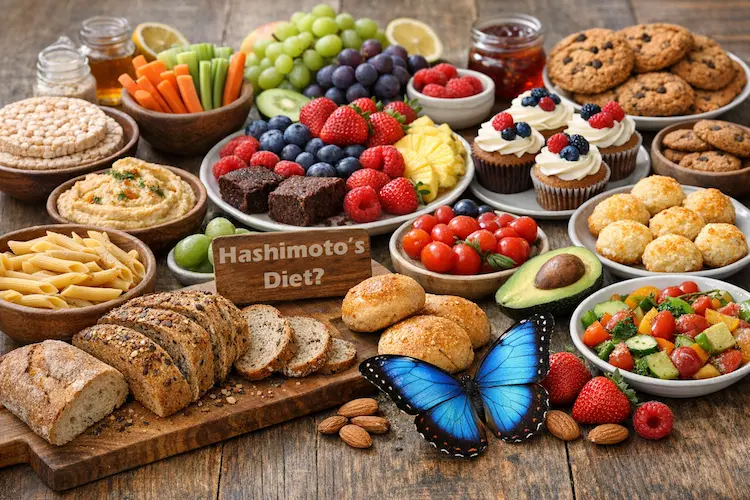
If you have celiac disease, you’re already on a strict gluten-free diet — and that’s non-negotiable. You need to maintain that no matter what. But if Hashimoto’s has entered the picture, it’s natural to wonder if there is a Hashimoto's diet you should be following.
The short answer is no—but there are a few important facts to understand, and a few persistent myths to clear up.
If you’re curious how I got here — and why I started asking these questions in the first place — I share that story in Celiac Disease and Thyroid Disease: Connect the Dots to Feeling Better.

When we think about diet and thyroid health, it helps to break it down into three questions:
- Are there foods that negatively affect my thyroid — is there anything I should avoid?
- Are there foods that support thyroid health — is there anything I should add?
- Are there foods that interfere with thyroid medication — and how should I manage that?
Let’s take these one at a time.
 |
Want simple guidance, trusted resources, and doable recipes delivered to your inbox once a week? |
|
Contents:
Are There Foods to Avoid With Hypothyroidism?
Foods to Eat with Hypothyroidism
Other Diets that May Help Your Thyroid
Are there foods or supplements that interfere with thyroid medication?
The Surprise Link Between Hashimoto's and Food Intolerances
My Personal Experience with Food Intolerance
Are There Foods to Avoid With Hypothyroidism?
Cruciferous Vegetables
You may have seen warnings online about cruciferous vegetables. These include: broccoli, kale, cauliflower and brussels sprouts. The concern is that these foods may interfere with how your thyroid processes iodine. This concern is often overstated and mainly relates to very large amounts eaten raw.
For most people, normal servings — especially cooked — are a healthy part of a balanced diet.1
Cassava and Tapioca
Cassava is sometimes mentioned in thyroid discussions. If you are on a gluten-free diet you may be concerned because gluten-free products often contain cassava flour or tapioca starch. Tapioca is made from cassava.
Some studies have shown that improperly processed cassava can interfere with iodine uptake. This concern comes mainly from regions where cassava is eaten as a staple and iodine deficiency is common.
If you are eating commercially prepared cassava, or tapioca products as part of a gluten-free diet, and you have adequate iodine intake, there’s no strong evidence that you need to be concerned.2
Thyroid and Gluten
You may also see recommendations for people with Hashimoto’s to avoid gluten even if they don’t have celiac disease or gluten sensitivity.
The evidence does not support this. If, like me, you have celiac disease, you must remain 100% gluten-free. If you don’t, there’s no strong evidence that avoiding gluten improves Hashimoto’s.
My doctor did say, however, that he always tests his thyroid patients for celiac disease because they are often seen together. If you find you feel better without gluten, consider that you might have celiac disease or NCGS (non-celiac gluten sensitivity), and speak with your doctor about appropriate testing.3
Foods to Eat with Hypothyroidism
Food won't cure your thyroid, but there are a few nutrients that really matter and some helpful dietary patterns. Let's look at what we actually know from the research.
Iodine
Iodine is essential for thyroid hormone production — which is why it’s added to table salt. But this is a classic case where more isn’t better. While iodine deficiency can cause thyroid problems, too much may worsen autoimmune thyroid disease. Most people get enough iodine from food, so it’s best to talk with your doctor before supplementing.
Foods that contain iodine are: seaweed, seafood, dairy, eggs, iodized table salt.
I try to eat eggs and fish a couple of times per week. Because I often use kosher salt or sea salt in cooking, I use iodized table salt with my meals.1
Selenium
Selenium is another nutrient that comes up often in Hashimoto’s discussions. It’s found in foods like Brazil nuts, seafood, lean meats, and some grains like rice and oatmeal.
Selenium plays an important role in thyroid hormone metabolism and also supports immune, heart, and brain health. It’s one of the few nutrients that’s been studied specifically in Hashimoto’s — but again, more is not better. Excess selenium can be harmful and may disrupt thyroid function, so don't supplement without talking to your doctor.
For me, I try to include gluten-free grains along with meat and fish into my weekly diet. I also keep a container of Brazil nuts in the pantry to nibble on if I think I'm not getting enough selenium from other sources.4
Other Diets that May Help Your Thyroid
There’s also interest in anti-inflammatory, and whole-food diets (like the Mediterranean Diet) with adequate selenium and vitamin D. Some studies suggest modest reduction in thyroid antibodies or improved quality of life. But the evidence isn’t strong or consistent enough to recommend a specific “Hashimoto’s diet.”5
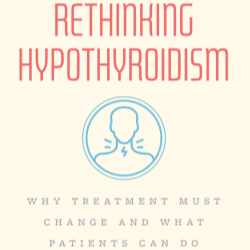
Rethinking Hypothyroidism by Dr. Antonio C. Bianco
If you're looking for a book by a true expert on hypothyroidism, you've found it. This book focuses on the medical treatment of hypothyroidism.
Rethinking Hypothyroidism distills decades of research and clinical experience into a single accessible volume. It simultaneously speaks to professionals and patients alike. Read my full review here.
Are there foods or supplements that interfere with thyroid medication?
Yes — and this is one area where the guidance is clear.
My doctor recommended taking levothyroxine on an empty stomach, about 30–60 minutes before breakfast or any caffeinated beverage , because food and caffein can interfere with absorption. This is standard protocol
Additionally, certain foods and supplements should be taken at least four hours away from thyroid medication. These include:
- Calcium (dairy products, calcium supplements, antacids like Tums, certain fortified cereals)
- Soy products.
- Fiber supplements such as psyllium (for example, Metamucil)
Other medications and supplements — including iron — can also interfere with absorption, so it’s important to review everything you take with your doctor or pharmacist.6
The Surprise Link Between Hashimoto's and Food Intolerances
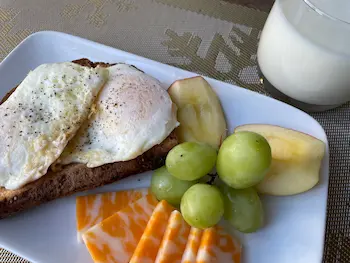
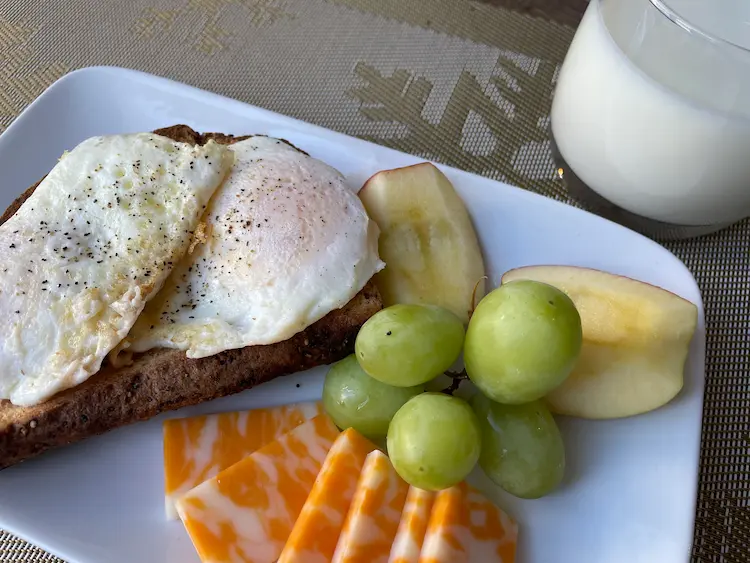
I’ve long known that people with celiac disease may have other food intolerances. The link to lactose intolerance is clear and well understood. The link to other food intolerances is less clear.
According to renowned celiac expert Dr. Stefano Guandalini, food intolerance in celiac patients is usually related to gut permeability (leaky gut). Once the gut heals on a gluten-free diet, these food intolerances should improve.7
Mine didn’t.
My Personal Experience with Food Intolerance
Dairy became an issue during my second pregnancy, decades before my celiac diagnosis. I knew it wasn’t lactose, because I still reacted to lactose-free milk products. Later I learned about casein and realized that I have a casein intolerance.
A few years after the celiac diagnosis, eggs started to cause nausea and diarrhea. As fun and challenging as it’s been to learn gluten-free and egg-free baking, I missed eggs.
Then by sheer chance I read a comment in a celiac forum. The commenter mentioned that her casein and egg intolerances were likely linked to her Hashimoto’s.
What!?!
I had just been diagnosed with Hashimoto’s. I had casein and egg intolerances. Could it be that my thyroid was causing this all along?
My mind was blown!
A few quick google searches uncovered links between Hashimoto’s and specific food intolerances — eggs and milk are among the most common.8
Can Treating the Thyroid Cure the Food Intolerance?
After about six months on levothyroxine, I noticed my digestion was calmer. The constant bloating was better. The post-meal diarrhea was gone.
So I tried an egg.
And waited.
Nothing happened.
No bloating, no mad dash to the bathroom. Nothing.
I’ve cautiously added butter back into my diet with no issues. Then small amounts of cheese and yogurt. Still no reaction.
Nothing in my research suggests that normalizing thyroid function cures food intolerance. This is my personal experience. However, research does describe a “gut-thyroid axis.” So, it seems plausible that treating the hypothyroidism could calm the immune system and in turn, the gut.
For more about food intolerances and how they relate to celiac disease, see my updated page on celiac and food intolerances.
My Bottom Line on Diet and Hashimoto’s
If you read my work, you know that I'm all about natural healing. Food is medicine, and if there is a way to solve a problem with diet, I'm there. Although eating well may help you feel better, Hashimoto's is not a condition that can be cured with diet. Here are the main points to remember:
- You cannot treat Hashimoto's on your own. Work with your doctor and take your medication as prescribed.
- There’s no single “Hashimoto’s diet,” though some people feel better eating a less inflammatory, whole-food diet.
- If you have celiac disease, staying strictly gluten-free is essential.
- Most people get enough iodine and selenium from food — supplement only with medical advice.
- Take levothyroxine on an empty stomach: about an hour before food or coffee and four hours away from calcium, soy, iron, and fiber supplements.
- Always check other medications and supplements for possible interactions.
For me, focusing on consistency, taking my medication as prescribed and eating a well-balanced, gluten-free diet (for my celiac) has been the key to feeling better.
And remember, I'm sharing my personal experience, advice from my doctor, and guidance from trusted sources. But each of us is unique. Your physician and a certified nutritionist can help you create your personal plan.
Frequently Asked Questions About Hashimoto's and Diet
Is there a specific diet for Hashimoto’s disease?
Is there a specific diet for Hashimoto’s disease?
Despite many claims online, there is no single proven “Hashimoto’s diet.” Most medical guidelines focus on treating hypothyroidism with thyroid hormone replacement while maintaining a balanced, nutritious diet. Some people feel better with certain dietary changes, but there is no universal eating plan that cures or reverses the condition.
Should people with Hashimoto’s avoid gluten?
Should people with Hashimoto’s avoid gluten?
If you have celiac disease, you must remain strictly gluten-free. However, research has not shown clear benefits from avoiding gluten for people with Hashimoto’s who do not have celiac disease or gluten sensitivity.
What nutrients are important for thyroid health?
What nutrients are important for thyroid health?
Nutrients such as iodine, selenium, iron, and zinc play roles in thyroid hormone production and metabolism. Most people can obtain these nutrients through a balanced diet that includes protein, fruits and vegetables, seafood, and whole foods rather than relying on supplements.
Can foods interfere with thyroid medication?
Can foods interfere with thyroid medication?
Yes. Certain foods and supplements—especially calcium, iron, soy, and high-fiber supplements—can interfere with the absorption of levothyroxine. Doctors usually recommend taking thyroid medication on an empty stomach and waiting before eating or taking supplements.
Can diet cure Hashimoto’s disease?
Can diet cure Hashimoto’s disease?
No. Hashimoto’s thyroiditis is an autoimmune condition that usually requires medical treatment. While healthy eating can support overall well-being, it cannot cure the disease. Most people manage the condition with thyroid hormone replacement prescribed by their doctor.
|
|
Want simple guidance, trusted resources, and doable recipes delivered to your inbox once a week? |
|

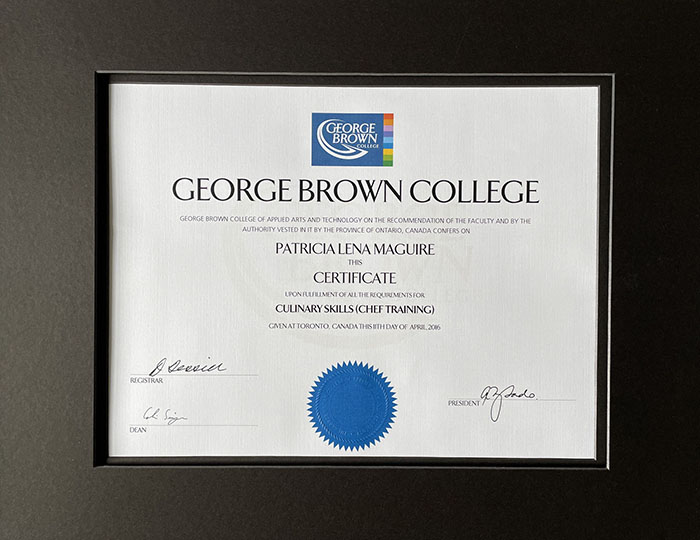
Patty Maguire is a George Brown College culinary graduate whose training focused on nutrition and cooking for special diets.
Since her celiac diagnosis in 2012, she has shared a practical, whole-food approach to naturally gluten-free living that helps readers cook with confidence, eat out safely, travel well, and live fully.
Rooted in farm-family values and simple home cooking, her work has been recognised by Feedspot’s top 10 Canadian gluten-free blogs list.
Sources
1. Cleveland Clinic. (2024, August 23). What to know about how food affects thyroid conditions. Cleveland Clinic. https://health.clevelandclinic.org/thyroid-issues-what-you-need-to-know-about-diet-and-supplements
2. Delange, F., Rosling, H., & Ekpechi, L. O. (1994). Cassava cyanogenesis and iodine deficiency disorders. ishs. https://ishs.org/ishs-article/375_29/
3. Bakar, A. (2023, March). Myths about diet and your thyroid. Northwestern Medicine. https://www.nm.org/healthbeat/healthy-tips/nutrition/myths-about-diet-and-thyroid
4. Morgan Griffin, R., Cameron, K., & Powell Key, A. (2025, August 3). Selenium: Benefits, uses, side effects, dosage, and more. WebMD. https://www.webmd.com/a-to-z-guides/supplement-guide-selenium
5. Pagan, C. N. (2017, December 1). Underactive thyroid: Stress, sleep, and lifestyle changes that help. WebMD. https://www.webmd.com/women/features/thyroid-sleep-stress-reduction
6. Clinic, M. (2023, August 18). Can certain foods improve thyroid function in people with hypothyroidism?. Mayo Clinic. https://www.mayoclinic.org/diseases-conditions/hypothyroidism/expert-answers/hypothyroidism-diet/faq-20058554
7. Guandalini, S. (2022, October 26). Renowned expert weighs in on celiac disease and gluten sensitivity. GIG® Gluten Intolerance Group®. https://gluten.org/2022/02/17/renowned-expert-weighs-in-on-celiac-disease-and-gluten-sensitivity/
8. Yan, M., Wu, H., Zhang, K., Gong, P., Wang, Y., & Wei, H. (2024a, September 30). Analysis of the correlation between Hashimoto’s thyroiditis and food intolerance. Frontiers in nutrition. https://pmc.ncbi.nlm.nih.gov/articles/PMC11471614/
You might like these
Do You Need Gluten-Free Skin Care if You Have Celiac Disease?
Do you need gluten-free skin care if you have celiac disease? Learn what the science says, how to read labels, and which products I personally use.
10 Tips for Safe, Low-Stress Gluten-Free Family Gatherings
Feel confident at gluten-free family gatherings with 10 simple tips to stay safe, avoid hidden gluten, and enjoy meals with family and friends.
Can Apple Cider Vinegar Improve Your Life with Celiac Disease?
Want to know how to improve your digestion and help your probiotics work better? Check out apple cider vinegar and celiac disease..



Hi, I'm Patty.
I'm a person with celiac disease, a culinary school grad, and a lifelong student of food and natural healing.
After my diagnosis in 2012, I enrolled in the Chef’s School at George Brown College and earned my Culinary Skills diploma, focusing on nutrition and cooking for special diets.
Cooking has changed my life — and helped me take back my health. Now, I’m here to help you do the same.
Let’s do this together!

Subscribe!
Get Naturally Gluten-Free Digest
Practical gluten-free tips + a featured recipe/article
delivered to your inbox.
Recent Articles


-
How to Prep Ahead, Store and Reheat Gluten-Free Sheet Pan Dinners
Aug 07, 26 01:48 PM
 Learn how to prep gluten-free sheet pan dinners ahead, store leftovers safely and reheat them without drying out. Includes practical tips and a printable guide.
 -
Sheet Pan Cooking Made Easy: Get Everything to Finish at the Same Time
Jul 22, 26 04:14 PM
 Learn how to stagger sheet pan ingredients so everything finishes together. A simple method using timing windows—not complicated minute-by-minute schedules.
 -
Sheet Pan Cook Time Chart for Proteins and Vegetables
Jul 22, 26 04:13 PM
 Compare sheet pan cook times for proteins and vegetables, timing windows and safe internal temperatures. Includes a printable cook time chart.


Popular Articles


Trained in Culinary Skills with a focus on Nutrition and Healthy Eating!
Visit NGF (NaturallyGluten-Free) on Facebook at: https://www.facebook.com/naturallyglutenfree
On Substack at: Naturally Gluten-Free Digest
Patricia Maguire, copyright © 2026 naturallygluten-free.com Port Hope, Ontario, Canada. All rights reserved
Subscribe to
Naturally Gluten-Free Digest
- Feel safer and more confident eating gluten-free
- Save time and money with practical strategies
- Discover trustworthy recipes and resources without wading through misinformation
It's Free!
You won't have to remember to check back.
NGF will land in your inbox weekly.
and
As a thank-you from me you get a free
Printable Gluten-Free Food List
that you can pin to your fridge or take shopping.
I respect your privacy!
I won't use your email for anything but to send you the newsletter.