- Home
- Living Gluten Free
- Celiac and Thyroid Disease
Celiac Disease and Thyroid Disease: Connect the Dots to Feeling Better
When Gluten-Free Isn’t Enough
Have you been diagnosed with celiac disease and gone gluten-free, yet things still aren’t quite right? You experience fatigue, brain fog, muscle and joint pain. Maybe you’re cold much of the time or you've noticed dry skin and brittle nails.
If so, you're not alone.


This is the story of how I discovered the celiac disease and thyroid disease connection. And most importantly, how that discovery led me to solve the mystery of stubborn symptoms.
It’s my personal experience – not medical advice – but if you recognize yourself in this story, maybe it’s worth a conversation with your doctor.
 |
Want simple guidance, trusted resources, and doable recipes delivered to your inbox once a week? |
|
Table of Contents
Living with Celiac Disease — Symptoms That Didn’t Go Away
The Moment I Knew for Sure Something Wasn't Right
Things I Tried – That Didn’t Work
Working With the Medical System - Conventional vs Functional Medicine
The Diagnosis: Hashimoto’s Thyroiditis
Why Celiac Disease and Hashimoto’s Often Occur Together
Connecting The Dots in Reverse: Symptoms that Improved with Thyroid Meds
What I Wish I Knew Earlier About Celiac Disease and Thyroid Disease
Living with Celiac Disease — Symptoms That Didn’t Go Away
When I first received my celiac diagnosis, I was perplexed. I wasn’t underweight. I didn’t feel sick after eating bread or pasta. But as I learned more about celiac symptoms, I started connecting the dots backwards though my life. It wasn't just about upset stomach and diarrhea.
- As my skin problems started clearing up, I learned about dermatitis herpetiformis (dh) and its link to celiac disease.
- When I read about the connection between celiac and miscarriage my four lost pregnancies suddenly made sense.
- I learned how celiac disease can cause lactose intolerance, low iron and chronic low energy.
The examples kept piling up as the lights popped on one by one.
My thyroid experience was similar. Even after years on a strict gluten-free diet I was still having symptoms:
- Dairy and eggs caused problems.
- My muscles ached and my joints felt inflamed.
- Fatigue made climbing the stairs feel like climbing a mountain.
- I had diarrhea after meals with no clear trigger.
- I experienced heart palpitations, dizziness, and brain fog.
- I developed random hives with no obvious cause.
The Moment I Knew for Sure Something Wasn't Right
My turning point came on a Tampa vacation, when a restaurant meal ended with a call to the paramedics. This was the moment I knew I needed answers.
I’d just finished an appetizer of fresh mussels and a cider when the room started to spin and my heart began racing. I felt dizzy, shaky, and scared. I tried to make myself throw up, but couldn’t. I was sure I was having a serious allergic reaction.
By the time the paramedics arrived, my heart rate was settling and I appeared fine. They suggested it may have been an allergic reaction and recommended Benadryl. Once I took it, the episode faded as quickly as it had started — l was confused and determined.
Things I Tried – That Didn’t Work
Armed with my growing list of symptoms, I turned to the internet – which as you know, can be a nest of vipers.
I read that keto can help with joint inflammation, so I tried that. I lost some weight, but no help for the joints.
I read that sulfites and histamines could cause heart palpitations and some food intolerances. I eliminated those to no avail. I kept Benadryl in my purse in case of a replay of the Tampa experience.
Frustrated and desperate, I asked ChatGPT to help me figure out what might be going on.
It had some interesting suggestions:
- SIBO (Small Intestine Bacterial Overgrowth)
- Mast Cell Activation Syndrome
- Other autoimmune conditions, including Hashimoto’s thyroiditis or autoimmune gastritis
I knew I couldn't figure this out on my own. I needed a doctor who could run tests and give me a diagnosis.
Working With the Medical System - Conventional vs Functional Medicine
If you have celiac disease you know how frustrating it can be to deal with the medical system - long waits, misdiagnoses - you feel dismissed and invisible.
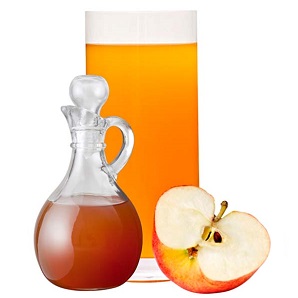
I had made detours into alternative medicine with mixed results. A regimen of apple cider vinegar and honey ended my miscarriage streak but other treatments like hydrogen peroxide infusion and applied kinesiology were dead ends.
Conventional medicine had failed me too. Dermatitis Herpetiformis was misdiagnosed as contact dermatitis. My lactose intolerance and frequent miscarriages were never connected to celiac disease.
So how was I going to approach this new problem?
I suspected I might need a functional medicine doctor, but they’re expensive and not covered by our provincial medical plan. So, I decided to go as far as I could in the conventional system then, if necessary, I’d spend the money on a functional practitioner.
I took my symptom list to my GP. He referred me to an Internal Medicine (IM) specialist and an allergist.
The allergist couldn't help. The IM specialist was a very different story!
The Diagnosis: Hashimoto’s Thyroiditis
What the Thyroid Does
The thyroid is a small, butterfly-shaped gland in the neck that acts like the body’s metabolic control center. It helps regulate energy levels, body temperature, heart rate, digestion, and hormone balance.
When the thyroid is underactive — as it is in Hashimoto’s — many body systems slow down. That helps explain why symptoms can feel widespread, inconsistent, and hard to connect.
The specialist reviewed my labs and my long list of symptoms, then asked me what my goals were.
“I just want to not feel like crap all the time” was my tearful answer.
He nodded and went on to explain “subclinical hypothyroidism.”1
My TSH had been slightly elevated for years, but I'd always been told, “It’s only a little high, we don’t treat that.” When I pushed, I was warned that treatment meant lifelong medication. "You don’t want that, do you?"
This doctor had the experience and the nuance. Yes, my TSH was only mildly elevated and my T4 (another thyroid hormone) was normal. But combined with my symptoms this was enough for him to suspect Hashimoto’s - an autoimmune thyroid condition.
His reasoning was straightforward:
- I had celiac disease – celiac and Hashimoto’s often occur together.
- My TSH had been persistently elevated, even if only slightly.
- I had classic thyroid symptoms: fatigue, muscle and joint pain, always cold.
He ordered more blood tests: anti-thyroid peroxidase (anti-TPO) and anti-thyroglobulin antibodies and started me on a low dose of levothyroxine. I was to come back in six months and if the meds helped, I had my diagnosis.
The meds helped – a lot!
Rethinking Hypothyroidism by Dr. Antonio C. Bianco
If you're looking for a book by a true expert on hypothyroidism, you've found it. This book focuses on the medical treatment of hypothyroidism.
Rethinking Hypothyroidism distills decades of research and clinical experience into a single accessible volume. It simultaneously speaks to professionals and patients alike. Read my full review here.
Why Celiac Disease and Hashimoto’s Often Occur Together
Now that I had my diagnosis, I needed to know why. Why did I have both celiac disease and Hashimoto’s? Was this just bad luck, or is there a connection?
Both Conditions Are Autoimmune
Celiac disease and Hashimoto’s are both autoimmune conditions. That means the immune system attacks the body’s own tissues.
In celiac disease, the target is the small intestine. In Hashimoto’s, it’s the thyroid.
Once you have one autoimmune disease, the risk of developing another increases. Doctors call this autoimmune clustering. Celiac disease and autoimmune thyroid disease are one of the most common pairings.2
Shared Genetic Tendencies
There’s also a genetic link.
Most people with celiac disease carry specific immune-related genes (HLA-DQ2 and/or HLA-DQ8). These genes affect how the immune system distinguishes between your body and outside invaders.
The same genes are associated with Hashimoto’s.3
Understanding this helped me to make sense of my thyroid diagnosis.
Connecting The Dots in Reverse: Symptoms that Improved with Thyroid Meds
As the months on levothyroxine passed, I started checking symptoms off my list:
- Joint inflammation eased – I could kneel on the floor to play with my grandson.
- Muscle aches faded – that feeling of hurting everywhere all the time was going away.
- Chronic fatigue lifted – I still love naps, but no longer feel like I need one.
- Hives, heart palpitations, diarrhea – all gone.
Unexpected Symptoms that Turned Out to Be Thyroid Related
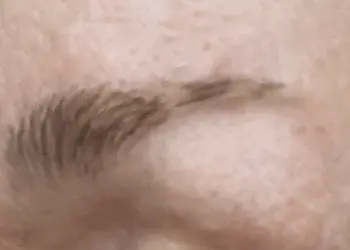
When I noticed improvements in things that I'd just come to accept, I began to wonder if this went deeper than I'd realized.
These symptoms aren't always listed as signs of hypothyroidism, but they improved after I started the medication. With a little more research, I found connections.
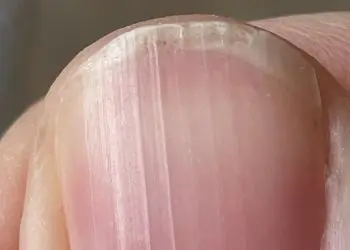
- Thin, splitting nails with vertical ridges 4
- Thinning of the outer third of the eyebrows5
- Heavy periods and uterine fibroids 6
- Alcohol intolerance7
- Gallstones 8
- Food intolerances (casein and eggs)9
What I Wish I Knew Earlier About Celiac Disease and Thyroid Disease
As with my celiac diagnosis, I wish one of the many doctors I’ve seen had connected the dots between my symptoms and my thyroid. And like with my celiac diagnosis, if they had, I’d have been spared years of discomfort.
So, what advice can I offer:
- Your symptoms aren’t “in your head.” Keep pushing until you have answers.
- TSH even slightly outside of normal could be a sign of thyroid trouble.
- If going gluten-free doesn’t fix everything, consider another autoimmune condition.
- Food intolerances can sometimes point to thyroid issues.
- Track your symptoms and get help. Don’t expect to fix this on your own.
- Get a pill organizer. It's important not to miss your thyroid meds - this helped me a lot.
Remember, this is just my personal experience, but if you have stubborn symptoms, don’t dismiss them. There may be an answer, you just have to be persistent. All the best!
If you're interested in the link between food and your thyroid, you might like this article: Hashimoto’s Diet: What Actually Matters (Especially With Celiac)

Frequently Asked Questions About Celiac Disease and Thyroid Disease
Can celiac disease cause thyroid problems?
Can celiac disease cause thyroid problems?
Celiac disease does not directly cause thyroid disease, but the two conditions often occur together. Both are autoimmune disorders, meaning the immune system mistakenly attacks the body’s own tissues. Researchers believe shared genetic factors make people with one autoimmune condition more likely to develop another, including Hashimoto’s thyroiditis.
Is there a link between celiac disease and Hashimoto’s thyroiditis?
Is there a link between celiac disease and Hashimoto’s thyroiditis?
Yes. Studies show that autoimmune thyroid disease occurs more frequently in people with celiac disease than in the general population. Because of this overlap, doctors sometimes screen patients with celiac disease for thyroid disorders, especially if symptoms such as fatigue, brain fog, or persistent digestive problems continue despite a strict gluten-free diet.
Should people with celiac disease be tested for thyroid disease?
Should people with celiac disease be tested for thyroid disease?
Many doctors recommend periodic thyroid testing for people with celiac disease, particularly if symptoms suggest an underactive thyroid. Blood tests that measure thyroid hormones and TSH can help identify problems early and guide appropriate treatment.
Can thyroid disease cause unusual symptoms that aren’t on typical lists?
Can thyroid disease cause unusual symptoms that aren’t on typical lists?
Yes. While fatigue, cold intolerance, joint pain and weight changes are common symptoms of hypothyroidism, some people experience less typical symptoms such as dizziness, digestive problems, heart palpitations, brain fog, or unexplained skin reactions. Even less typical but also connected to hypothyroidism are thinning hair and eyebrows, thin splitting nails, gallstones, uterine fibroids, and alcohol intolerance.
Why do autoimmune diseases often occur together?
Why do autoimmune diseases often occur together?
Autoimmune diseases sometimes appear in clusters because the same genetic and immune system factors can increase the risk for multiple conditions. For example, people with celiac disease have a higher likelihood of developing other autoimmune disorders such as Hashimoto’s thyroiditis, type 1 diabetes, or autoimmune gastritis.
|
|
Want simple guidance, trusted resources, and doable recipes delivered to your inbox once a week? |
|

Patty Maguire is a George Brown College culinary graduate whose training focused on nutrition and cooking for special diets.
Since her celiac diagnosis in 2012, she has shared a practical, whole-food approach to naturally gluten-free living that helps readers cook with confidence, eat out safely, travel well, and live fully.
Rooted in farm-family values and simple home cooking, her work has been recognised by Feedspot’s top 10 Canadian gluten-free blogs list.
Sources:
1. What is subclinical hypothyroidism?. Cleveland Clinic. (2025, September 4). https://my.clevelandclinic.org/health/diseases/23544-subclinical-hypothyroidism
2. Nicholc. (2021, August 11). Associated autoimmune diseases. GIG® Gluten Intolerance Group®. https://gluten.org/2019/10/17/associated-autoimmune-diseases/
3. Kahaly, G. J., Frommer, L., & Schuppan, D. (2018, May 13). Celiac disease and endocrine autoimmunity – the genetic link - sciencedirect. Science Direct.com. https://www.sciencedirect.com/science/article/abs/pii/S1568997218302301
4. professional, C. C. medical. (2025b, July 20). Ridges in nails: Horizontal, vertical, causes & treatment. Cleveland Clinic. https://my.clevelandclinic.org/health/symptoms/24459-ridges-in-nails
5. Prosser, A. (2025, September 29). Thyroid disorders and eyebrow hair loss: The hertoghe sign. Healthgrades. https://resources.healthgrades.com/right-care/thyroid-disorders/thyroid-eyebrow
6. Fibroid Institute Texas. (2023, March 2). Hypothyroidism and fibroids: What’s the relationship? Fibroid Institute Texas. https://www.fibroidfree.com/fibroids/hypothyroidism-and-fibroids/
7. Procknal, H. (2023, October 1). How an Alcohol Hiatus Can Support Liver and Thyroid Health. NP Thyroid. https://npthyroid.com/tipsresource/how-an-alcohol-hiatus-can-support-you-liver-and-thyroid-health/#:~:text=Some%20researchers%20in%20the%20medical,result%20in%20symptom%20flare%2Dups.
8. Shomon, M. (2025, December 7). Hashimoto’s, hypothyroidism, and your gallbladder: Paloma health. Paloms. https://www.palomahealth.com/learn/hashimotos-hypothyroidism-gallbladder-pain#:~:text=Even%20subclinical%20hypothyroidism%20can%20impact,patients%20presenting%20with%20these%20symptoms.
9. Yan, M., Wu, H., Zhang, K., Gong, P., Wang, Y., & Wei, H. (2024a, September 30). Analysis of the correlation between Hashimoto’s thyroiditis and food intolerance. Frontiers in nutrition. https://pmc.ncbi.nlm.nih.gov/articles/PMC11471614/
You might like these
Celiac and Lactose Intolerance: Why It Happens & How to Eat Well
Learn why celiac and lactose intolerance often occur together, which dairy foods are safe, and how to reintroduce milk after going gluten-free.
Gluten and Casein: Why Dairy Bothers Some With Celiac and What To Do
Still reacting to dairy after going gluten-free? Learn how gluten and casein are connected, and what to do when lactose-free foods don’t help.
Celiac and Other Food Intolerances
Celiac and other food intolerances go hand in hand. How to find out what you're intolerant to and how to heal your gut and keep it healthy.




Hi, I'm Patty.
I'm a person with celiac disease, a culinary school grad, and a lifelong student of food and natural healing.
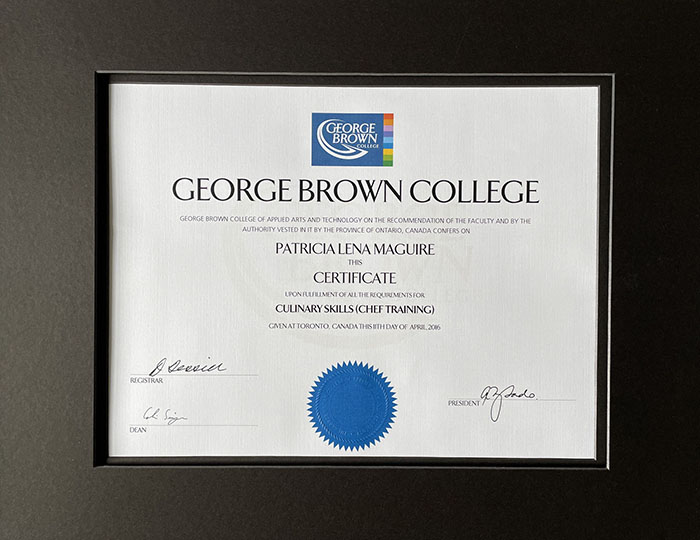
After my diagnosis in 2012, I enrolled in the Chef’s School at George Brown College and earned my Culinary Skills diploma, focusing on nutrition and cooking for special diets.
Cooking has changed my life — and helped me take back my health. Now, I’m here to help you do the same.
Let’s do this together!

Subscribe!
Get Naturally Gluten-Free Digest
Practical gluten-free tips + a featured recipe/article
delivered to your inbox.
Recent Articles


-
How to Prep Ahead, Store and Reheat Gluten-Free Sheet Pan Dinners
Aug 07, 26 01:48 PM
 Learn how to prep gluten-free sheet pan dinners ahead, store leftovers safely and reheat them without drying out. Includes practical tips and a printable guide.
 -
Sheet Pan Cooking Made Easy: Get Everything to Finish at the Same Time
Jul 22, 26 04:14 PM
 Learn how to stagger sheet pan ingredients so everything finishes together. A simple method using timing windows—not complicated minute-by-minute schedules.
 -
Sheet Pan Cook Time Chart for Proteins and Vegetables
Jul 22, 26 04:13 PM
 Compare sheet pan cook times for proteins and vegetables, timing windows and safe internal temperatures. Includes a printable cook time chart.


Popular Articles


Trained in Culinary Skills with a focus on Nutrition and Healthy Eating!
Visit NGF (NaturallyGluten-Free) on Facebook at: https://www.facebook.com/naturallyglutenfree
On Substack at: Naturally Gluten-Free Digest
Patricia Maguire, copyright © 2026 naturallygluten-free.com Port Hope, Ontario, Canada. All rights reserved
Subscribe to
Naturally Gluten-Free Digest
- Feel safer and more confident eating gluten-free
- Save time and money with practical strategies
- Discover trustworthy recipes and resources without wading through misinformation
It's Free!
You won't have to remember to check back.
NGF will land in your inbox weekly.
and
As a thank-you from me you get a free
Printable Gluten-Free Food List
that you can pin to your fridge or take shopping.
I respect your privacy!
I won't use your email for anything but to send you the newsletter.