- Home
- Living Gluten Free
- Family Gatherings
10 Tips for Safe, Low-Stress Gluten-Free Family Gatherings
Whether it’s a holiday meal, a family gathering, or dinner with friends, the challenges of eating gluten-free are often the same.
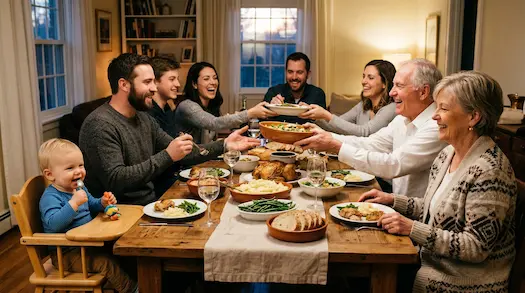
Let’s talk about some of the dangers and stressors we face and then how to meet them head-on so you can have a good time without worry.
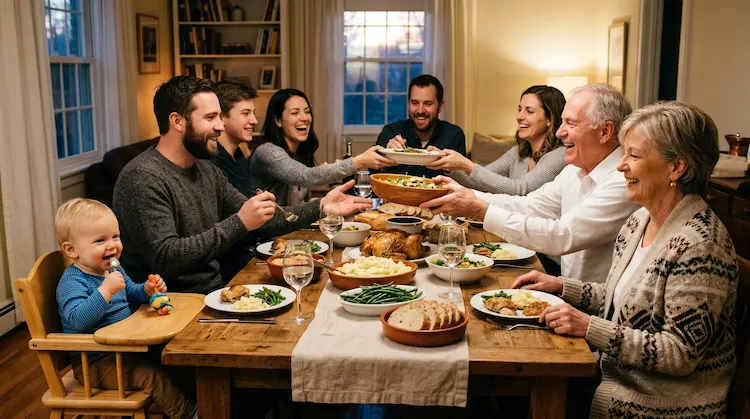
The Stress of the Holidays and Other Gatherings When You’re
Gluten-Free
Family meals and dinner parties are right up there with restaurant meals as the greatest stressors for people with celiac. All kinds of questions and insecurities spin through our minds:
- What do I do if my family isn't supportive?
- I don't like to put people out.
- Is it rude if I bring my own food?
- I don't like to be the center of attention.
- I don't want to feel left out.
 |
Want simple guidance, trusted resources, and doable recipes delivered to your inbox once a week? |
|
That last one is the biggie. Food is about so much more than just filling our bellies. Food is at the center of nearly every gathering or celebration.
To “break bread” together is to form a special bond. For a person with celiac, we find out quickly how you can feel alone in a crowd, especially if you’re not eating the same meal as everyone else. Sitting at a table with everyone chatting and commenting about the food, passing dishes around, asking for the rolls or the gravy, can seem like a pretty lonely place if you’re not a part of it.
But the danger is real. If you don’t know each recipe, how it was cooked and what was done to prevent cross contamination, then the meal may be unsafe for you. And that's not the way to enjoy your time with family and friends.
Pin for Later
Are you hosting a gluten-free guest?
My Gluten-Free Guide to Entertaining will give you all the basics so you can keep your gluten-free guest safe in your home.
How to Have Safe, Low Stress, Gluten-Free Gatherings
These ten tips will help you to answer those questions, deal with those insecurities and enjoy get-togethers safely.
The first few assume you have control over the food, then we round out the list with suggestions for meals at someone else's home.
1. Host the Meal
This is the safest way to ensure your holiday meal is gluten-free. You control the food. Yes, putting on a big meal is a lot of work but the stress you save yourself is worth it.
Unless your friends and family are comfortable and knowledgeable about gluten-free cooking, hosting the holiday meal yourself may be the only way to be 100% confident that everything you eat is safe.
Remember to ask if anyone else has food intolerances. You may not be the only one.
2. Make the Meal Mostly Gluten-Free
No one will even know the difference.
Most main dish recipes can be easily converted to gluten-free with just a few substitutions. You can have your turkey, ham, duck, goose, lamb, whatever you normally have and make it gluten-free. Add in some regular dinner rolls and desserts to round out the meal. If guests want to bring something, suggest they bring the rolls or a pie.
3. Watch Stuffing, Glazes, and Sauces
Traditional dishes like turkey or ham may be sources of hidden gluten.
If the holiday turkey is stuffed with bread stuffing, the meat is not safe for you. You can make stuffing from gluten-free bread or make it separately in the crock-pot and stuff your bird with lemons and onions.
Recent health guidelines suggest not to stuff the bird anyway as it doesn’t heat up quickly enough and can cause illness.
Ham glazes are usually gluten-free but some have soy sauce, spice mixes with gluten or flour based thickeners. A simple honey-mustard glaze or marmalade coating is a perfectly sweet, naturally gluten-free option.
Remember, if the turkey is stuffed with bread stuffing, you cannot eat the meat. Cooking and basting will contaminate every part of the bird.
4. Consider Alternatives to Traditional Holiday Meals
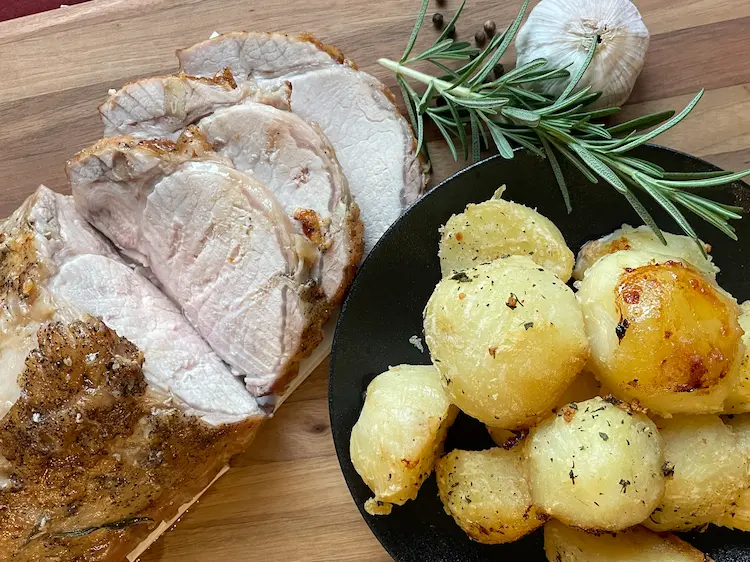
We tend to associate certain foods with certain holidays—turkey at Thanksgiving or Christmas, ham at Easter, and so on. But there’s no rule that says you have to stick with tradition.
Choosing a naturally gluten-free meal can take a lot of pressure off.
In our family, we’ve started mixing things up. One year I made chicken tacos for Christmas. My kids had already been to several traditional dinners and were more than ready for something different—and they loved it.
I've also done pork loin roast with curry pineapple chutney. It's simple, delicious and festive.
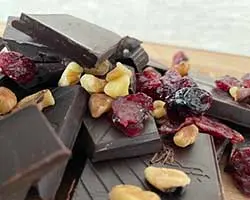
Is Chocolate Gluten-Free? Health Benefits and Tips to Avoid Hidden Gluten
Discover which chocolates are truly gluten-free, how to read labels, and what hidden ingredients celiacs need to watch for when choosing sweet treats.
This article is dedicated to chocolate and will give you all the ins and outs.
The rest of these tips are about enjoying meals with friends and family if you’re not the host.
5. Talk to the Host
Many of us with celiac find this difficult. We don’t want to put people out.
But you can have this conversation in a polite and inquiring way that doesn’t make you seem demanding. Start by explaining that you have celiac disease and it’s important that you know everything that’s in your food. You’ll know right away if your host is comfortable to accommodate or not. A few questions to ask are:
- Will the turkey be stuffed?
- Is the gravy made from scratch or do you use a mix?
- Are the mashed potatoes made with chicken stock?
- Will the salads be pre-dressed or have croutons?
- Ask about other sides. Pay attention to anything with breadcrumbs, canned soups or seasoning mixes as part of the recipe.
You can suggest or provide gluten-free alternatives to sauces, stocks, packaged mixes and thickeners.
6. Ask to See Packages
You’re the label reading expert, so ask your host if you can see the bottles or packages of any sauces or mixes they are using. If there is anything questionable, then you can provide an alternative or pass on that dish.
7. Offer to Help
If you’re close enough with your host that you can dig into the kitchen and cook together, that’s perfect. It’s a great chance to bond and educate at the same time. I’ve forged and deepened many relationships by cooking together.
8. Fill in the Gaps
Once you understand the menu, you can decide what if anything you need to bring for yourself. If the turkey will be stuffed but the sides are fine, then bring a cooked chicken breast or a few slices of ham. If it’s the sides or the salad you can’t have then bring your own. Or even better, bring enough to share.
9. Bring Your Own Meal
This can be uncomfortable, but if your host can’t or won’t accommodate, it’s the best way to make sure you have a safe gluten-free holiday meal.
Your host may feel bad that you aren’t eating the food they prepared, but your health comes first. Just be polite and maybe even a bit apologetic when you let them know that you’ve been sick in the past and you don’t want them stressing over your food while they’re having to put on a big meal.
10. Bring a Dessert to Share
Dessert can be the hardest part of the meal for your host to make gluten-free. Gluten-free baking is very different from regular baking, so bring a pie, cake or cookies that you can have and share with the rest of the group. I’ve done this and been surprised that my gluten-free dessert dish was gone before everything else.
Bonus Tip: Make it About the People
Most of our gatherings and celebrations center around food. Those of us with food related issues need to shift that focus to people.
It’s awkward at first. We may feel left out and lonely as we eat our own food among relatives that are passing dishes around the table. But learn to laugh and enjoy your family and your friends and let the food come second. The best gluten-free gathering is the one where you don't worry and you don't get sick.
FAQ About Gluten-Free Family Gatherings
Is it rude to bring your own food if you’re gluten-free?
Is it rude to bring your own food if you’re gluten-free?
Not at all. Most hosts appreciate knowing you’re taking responsibility for your own safety. A polite explanation goes a long way.
How do I avoid cross-contamination at family gatherings?
How do I avoid cross-contamination at family gatherings?
Ask how food is prepared, avoid shared utensils, and be cautious with mixed dishes like casseroles, sauces, and stuffing.
What should I ask the host before a gluten-free meal?
What should I ask the host before a gluten-free meal?
Ask about ingredients, preparation methods, and whether anything is pre-made or contains gluten-based sauces or mixes.
What foods are most likely to contain hidden gluten?
What foods are most likely to contain hidden gluten?
Stuffing, gravies, sauces, casseroles, and processed foods often contain hidden gluten or are at risk of cross-contamination.
Can I trust food prepared by others if I have celiac disease?
Can I trust food prepared by others if I have celiac disease?
It depends on their understanding of gluten-free cooking. When in doubt, bring your own food or offer to help prepare dishes safely.
|
|
Want simple guidance, trusted resources, and doable recipes delivered to your inbox once a week? |
|

Patty Maguire is a George Brown College culinary graduate whose training focused on nutrition and cooking for special diets.
Since her celiac diagnosis in 2012, she has shared a practical, whole-food approach to naturally gluten-free living that helps readers cook with confidence, eat out safely, travel well, and live fully.
Rooted in farm-family values and simple home cooking, her work has been recognised by Feedspot’s top 10 Canadian gluten-free blogs list.
You might like these
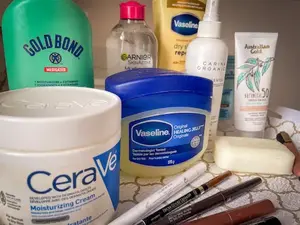
Do You Need Gluten-Free Skin Care if You Have Celiac Disease?
Do you need gluten-free skin care if you have celiac disease? Learn what the science says, how to read labels, and which products I personally use.
Can Apple Cider Vinegar Improve Your Life with Celiac Disease?
Want to know how to improve your digestion and help your probiotics work better? Check out apple cider vinegar and celiac disease..
Why You Shouldn't Join Gluten Free Forums or Read Blogs
Anyone can write a gluten free forum post or a blog and do so with such authority. There are a few things you need to know when you're searching for information.


Hi, I'm Patty.
I'm a person with celiac disease, a culinary school grad, and a lifelong student of food and natural healing.
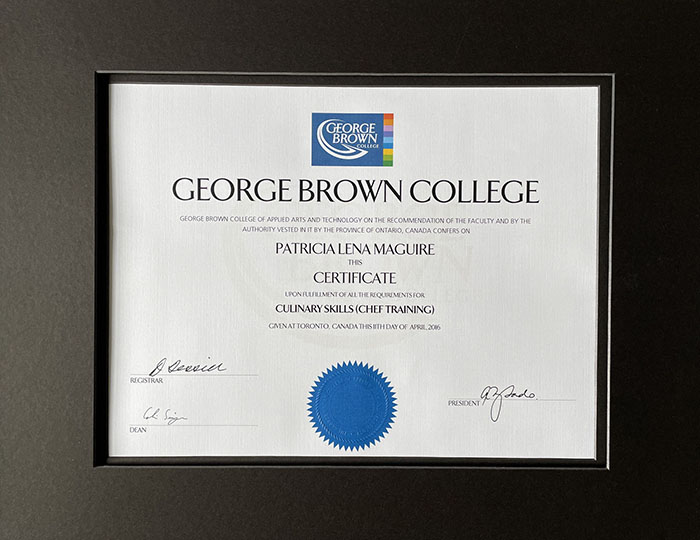
After my diagnosis in 2012, I enrolled in the Chef’s School at George Brown College and earned my Culinary Skills diploma, focusing on nutrition and cooking for special diets.
Cooking has changed my life — and helped me take back my health. Now, I’m here to help you do the same.
Let’s do this together!

Subscribe!
Get Naturally Gluten-Free Digest
Practical gluten-free tips + a featured recipe/article
delivered to your inbox.
Recent Articles


-
How to Prep Ahead, Store and Reheat Gluten-Free Sheet Pan Dinners
Aug 07, 26 01:48 PM
 Learn how to prep gluten-free sheet pan dinners ahead, store leftovers safely and reheat them without drying out. Includes practical tips and a printable guide.
 -
Sheet Pan Cooking Made Easy: Get Everything to Finish at the Same Time
Jul 22, 26 04:14 PM
 Learn how to stagger sheet pan ingredients so everything finishes together. A simple method using timing windows—not complicated minute-by-minute schedules.
 -
Sheet Pan Cook Time Chart for Proteins and Vegetables
Jul 22, 26 04:13 PM
 Compare sheet pan cook times for proteins and vegetables, timing windows and safe internal temperatures. Includes a printable cook time chart.


Popular Articles


Trained in Culinary Skills with a focus on Nutrition and Healthy Eating!
Visit NGF (NaturallyGluten-Free) on Facebook at: https://www.facebook.com/naturallyglutenfree
On Substack at: Naturally Gluten-Free Digest
Patricia Maguire, copyright © 2026 naturallygluten-free.com Port Hope, Ontario, Canada. All rights reserved
Subscribe to
Naturally Gluten-Free Digest
- Feel safer and more confident eating gluten-free
- Save time and money with practical strategies
- Discover trustworthy recipes and resources without wading through misinformation
It's Free!
You won't have to remember to check back.
NGF will land in your inbox weekly.
and
As a thank-you from me you get a free
Printable Gluten-Free Food List
that you can pin to your fridge or take shopping.
I respect your privacy!
I won't use your email for anything but to send you the newsletter.